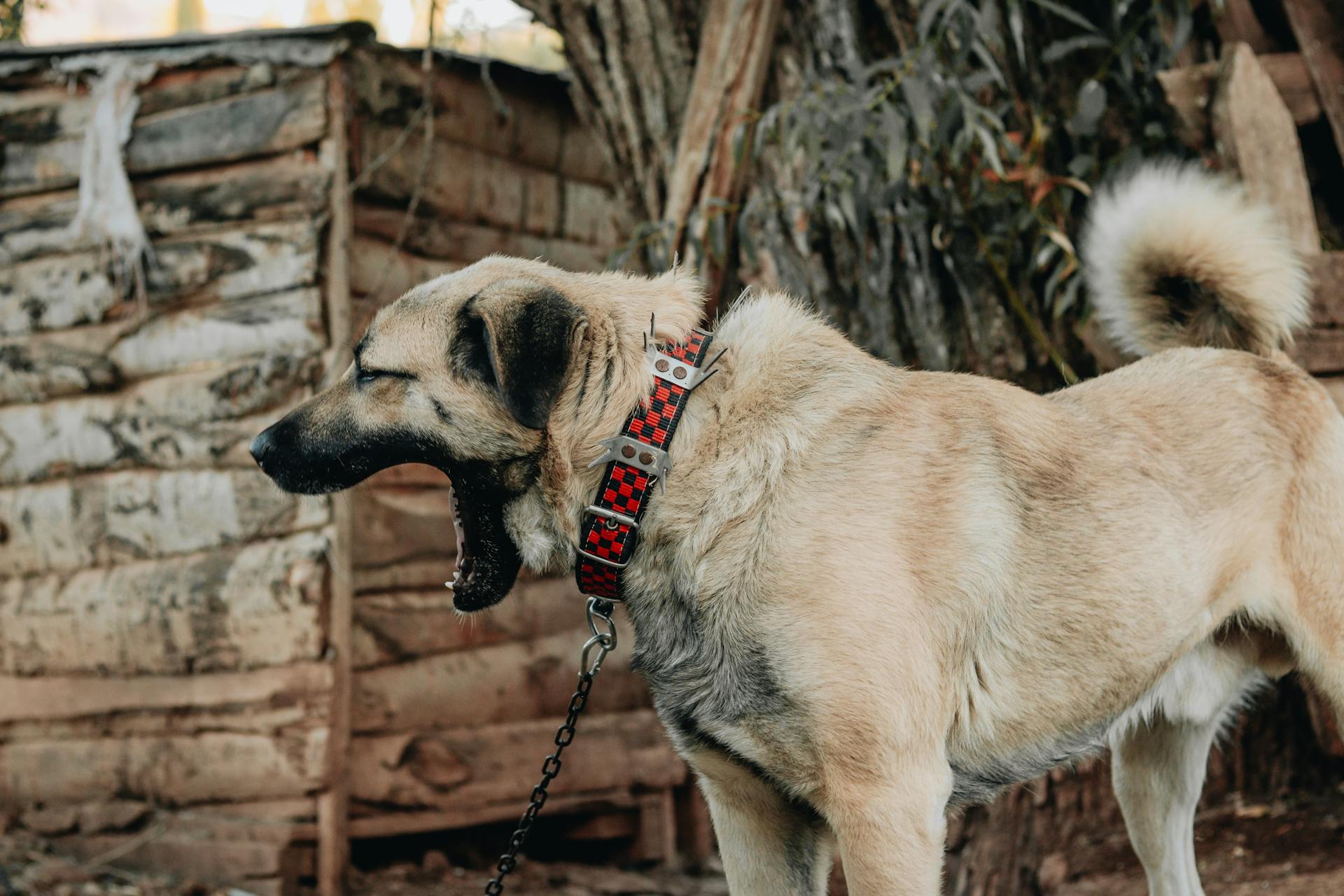
The Boerboel, also known as the South African Mastiff, is a large working breed developed in South Africa to protect remote farms and homesteads. Descended from mastiff-type dogs brought by Dutch, French, and British settlers, this breed was selectively developed to survive harsh climates, dangerous wildlife, and isolated living conditions.
Boerboels were bred to think independently, assess threats quickly, and act decisively—qualities that still define the breed today.
Energy Level
Natural energy and enthusiasm throughout the day.
Exercise Needs
Amount of physical activity required to stay healthy.
Playfulness
Willingness to play and engage in games.
Affection Level
Tendency to show affection toward humans.
Dog Friendliness
Friendliness and tolerance toward other dogs.
Pet Friendliness
How well this pet gets along with other animals.
Stranger Friendliness
Reaction toward unfamiliar people.
Ease of Training
How easy it is to train and teach commands.
Watchfulness
Alertness and tendency to notice surroundings.
Vocality
Tendency to bark, meow, or make other sounds.
Grooming Requirements
Level of grooming effort needed on a regular basis.
Heat Sensitivity
Sensitivity to hot weather conditions.
Cold Tolerance
Ability to withstand cold temperatures.
The Boerboel is massive, muscular, and powerfully built, projecting confidence and authority. Adult dogs typically stand 22–27 inches tall at the shoulder and can weigh 110–200 pounds. The short, dense coat lies close to the body and commonly appears in shades of brown, red, or fawn, often accented by a distinctive black facial mask.
Despite their imposing size, Boerboels are well-balanced and athletic rather than bulky or sluggish.
The Boerboel is known for its strong protective instinct and deep loyalty to its family. With proper training and leadership, it is calm, confident, and emotionally stable. However, this breed is naturally wary of strangers and may show dominant tendencies if not consistently guided.
Early socialization and firm, experienced handling are essential. When raised correctly, Boerboels are affectionate with family members and generally reliable around children within their household.
Boerboels require regular physical exercise and mental stimulation to remain balanced and well-behaved. Coat maintenance is minimal, consisting of occasional brushing.
Due to their size, intelligence, and guarding nature, Boerboels are not recommended for first-time dog owners. They thrive best with owners who can provide clear structure, boundaries, and confident leadership.
Minor concerns: Heart conditions
Occasionally seen: Ectropion, entropion
Suggested tests: Hip, elbow, cardiac, eye
Life span: 9–12 years