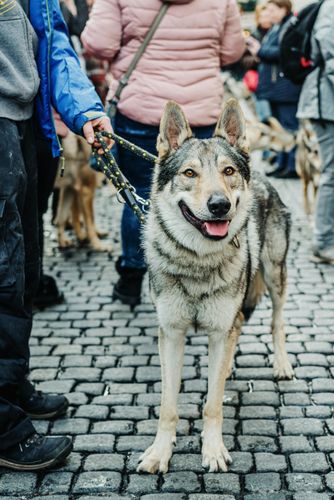
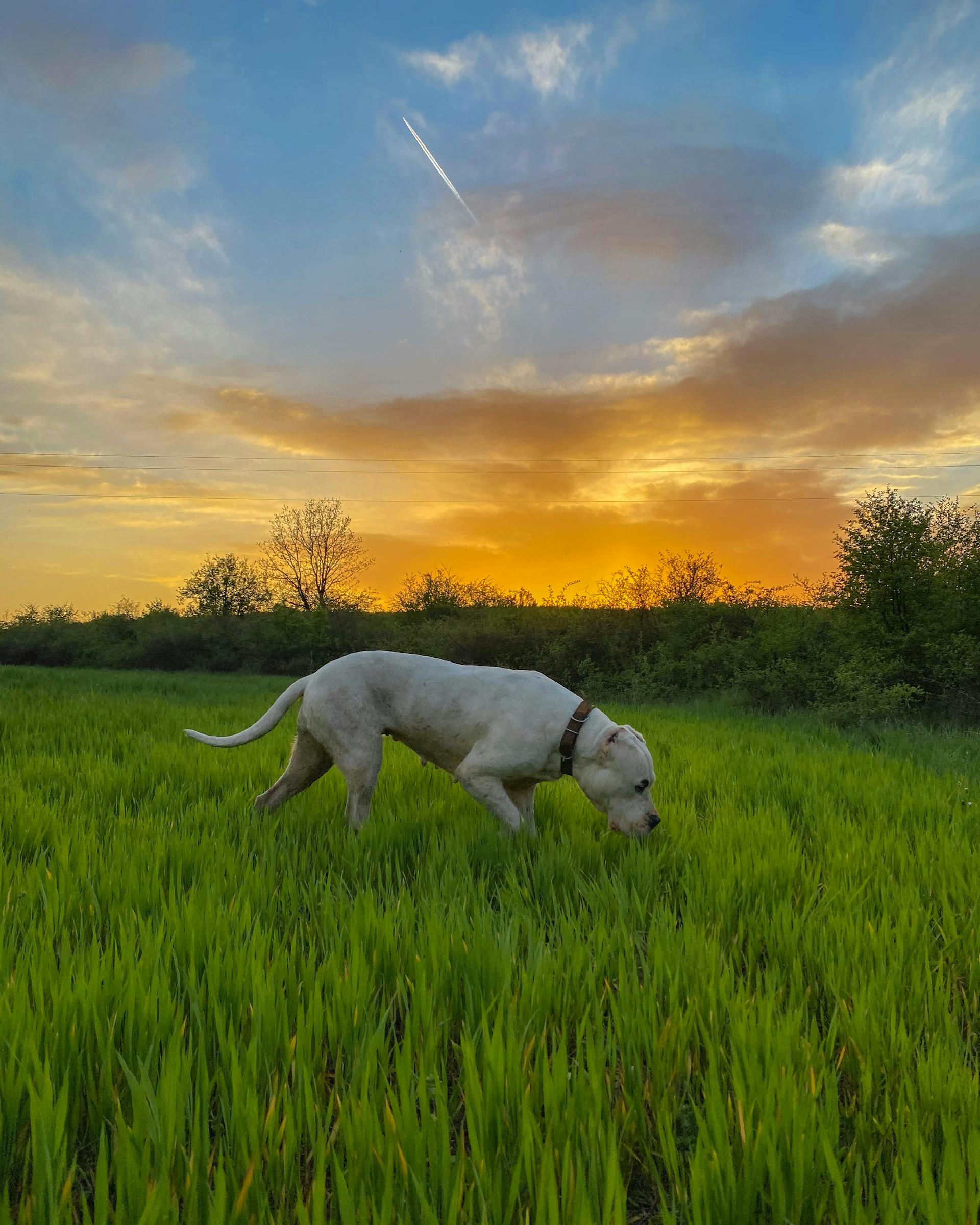
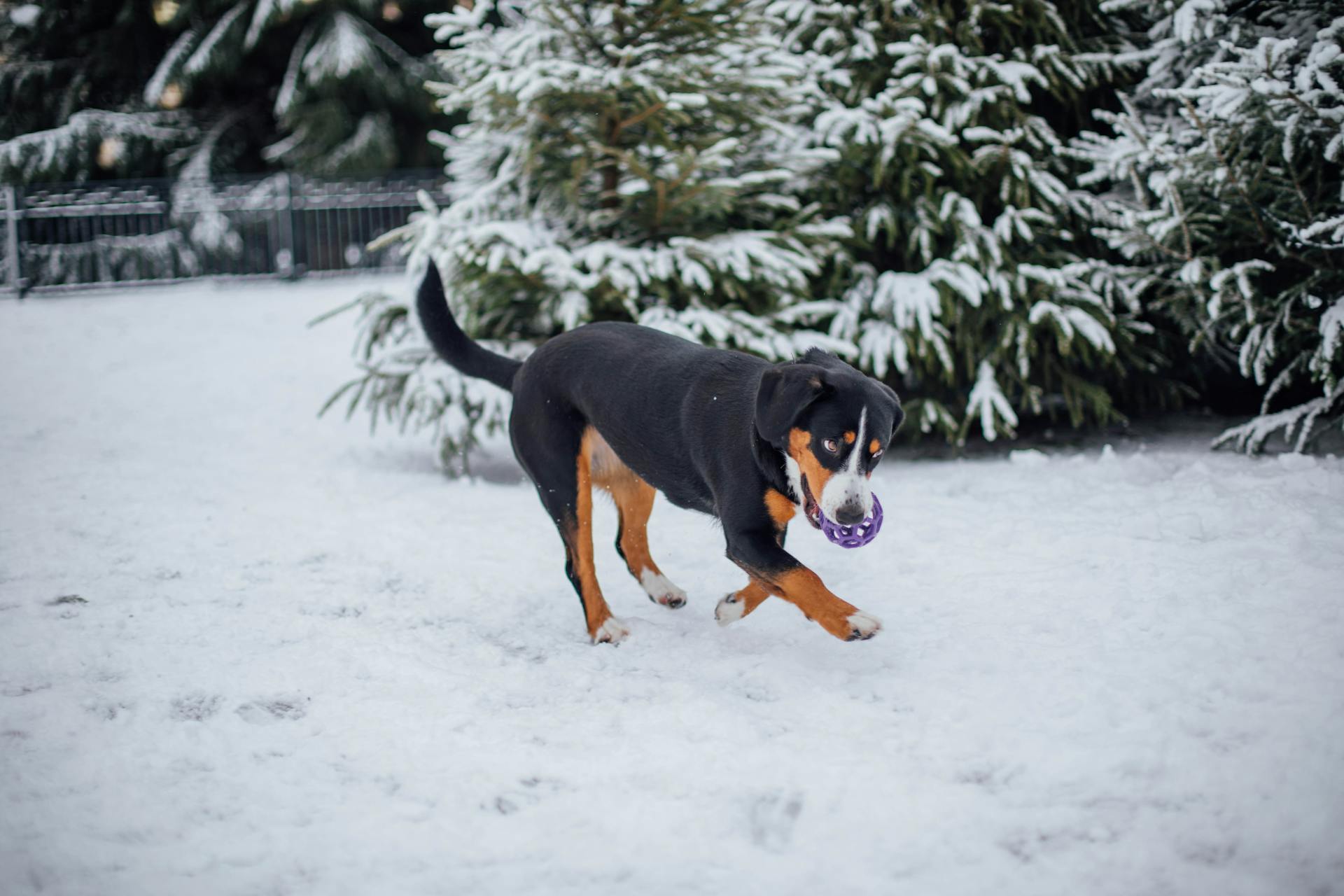
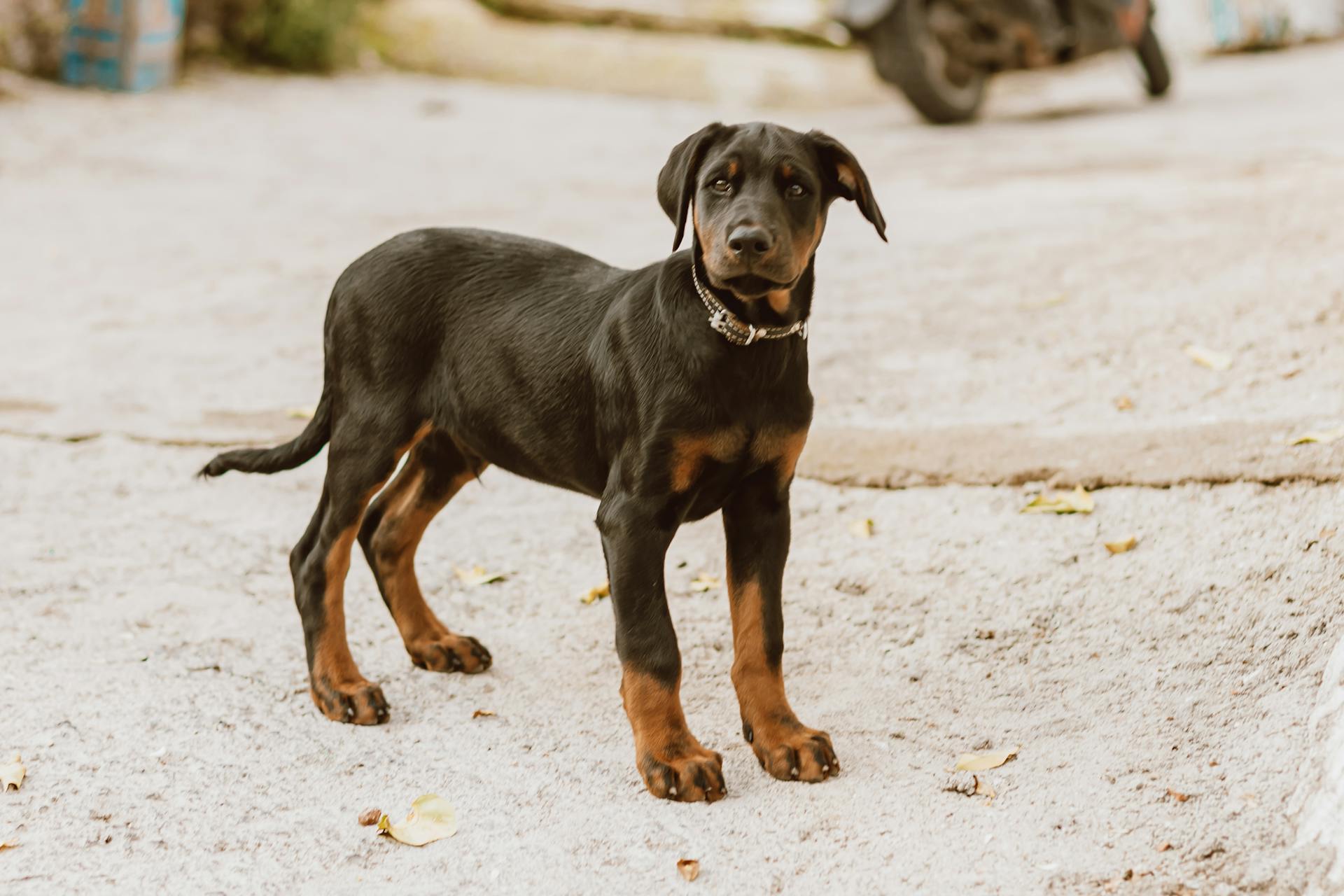
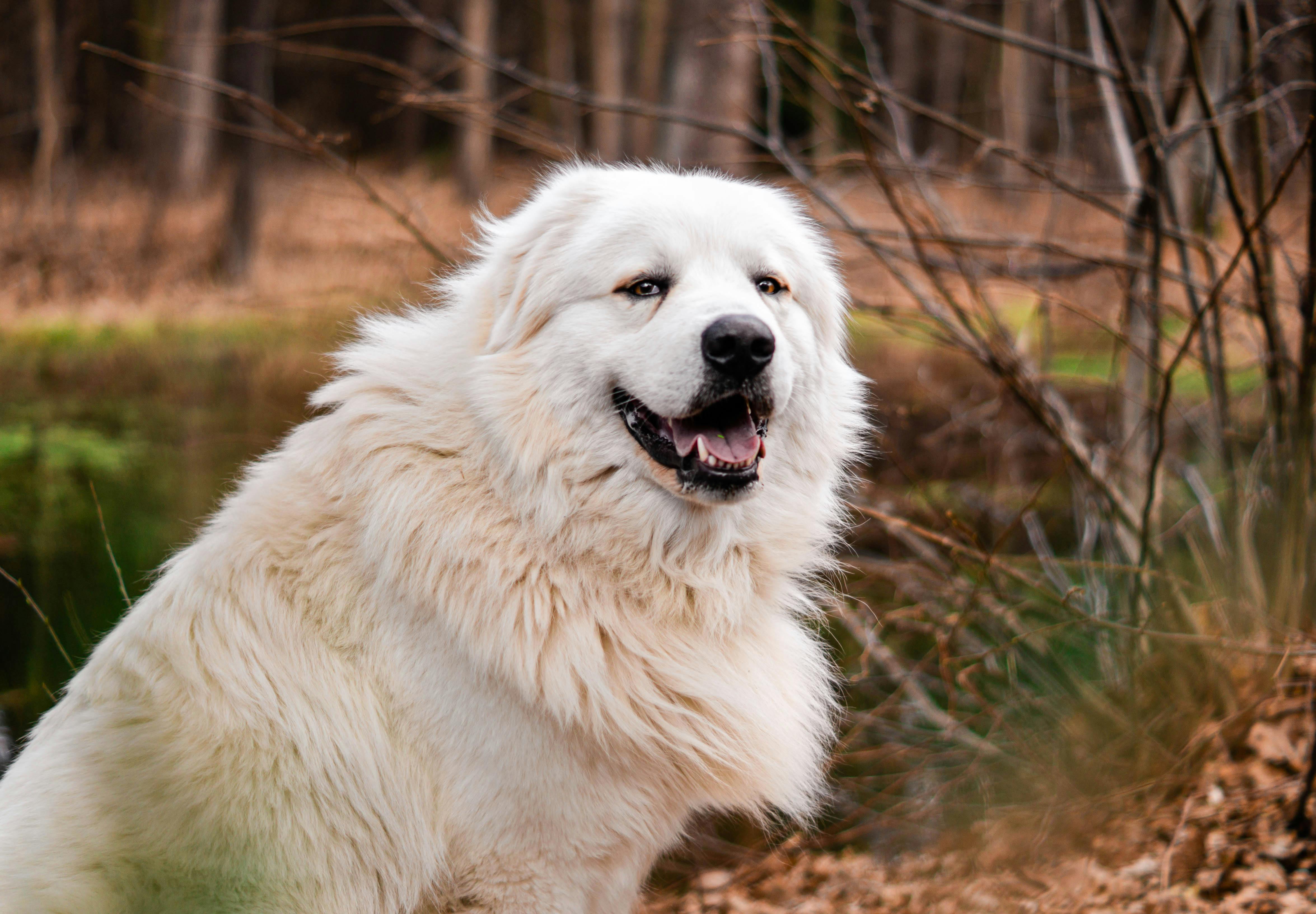
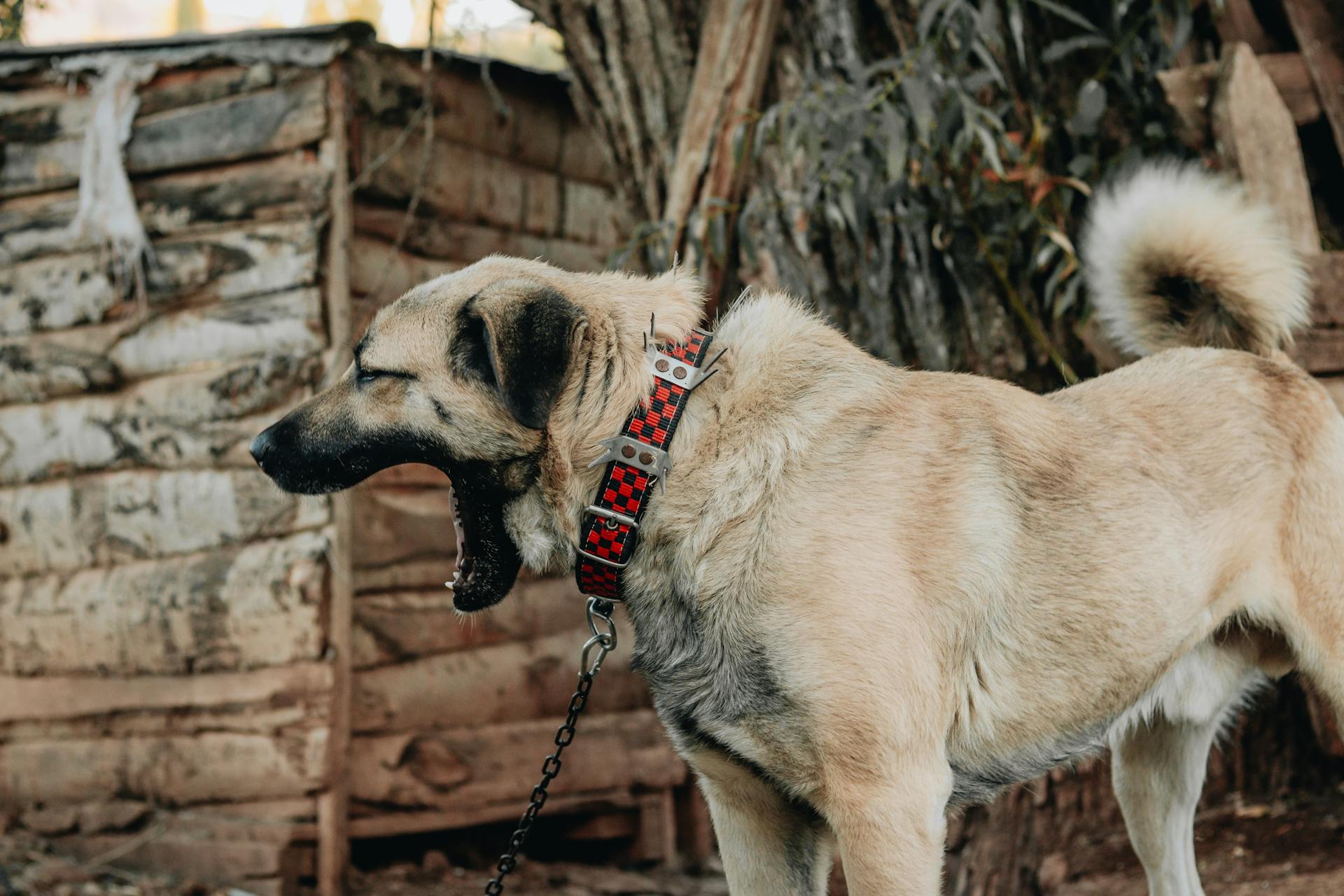
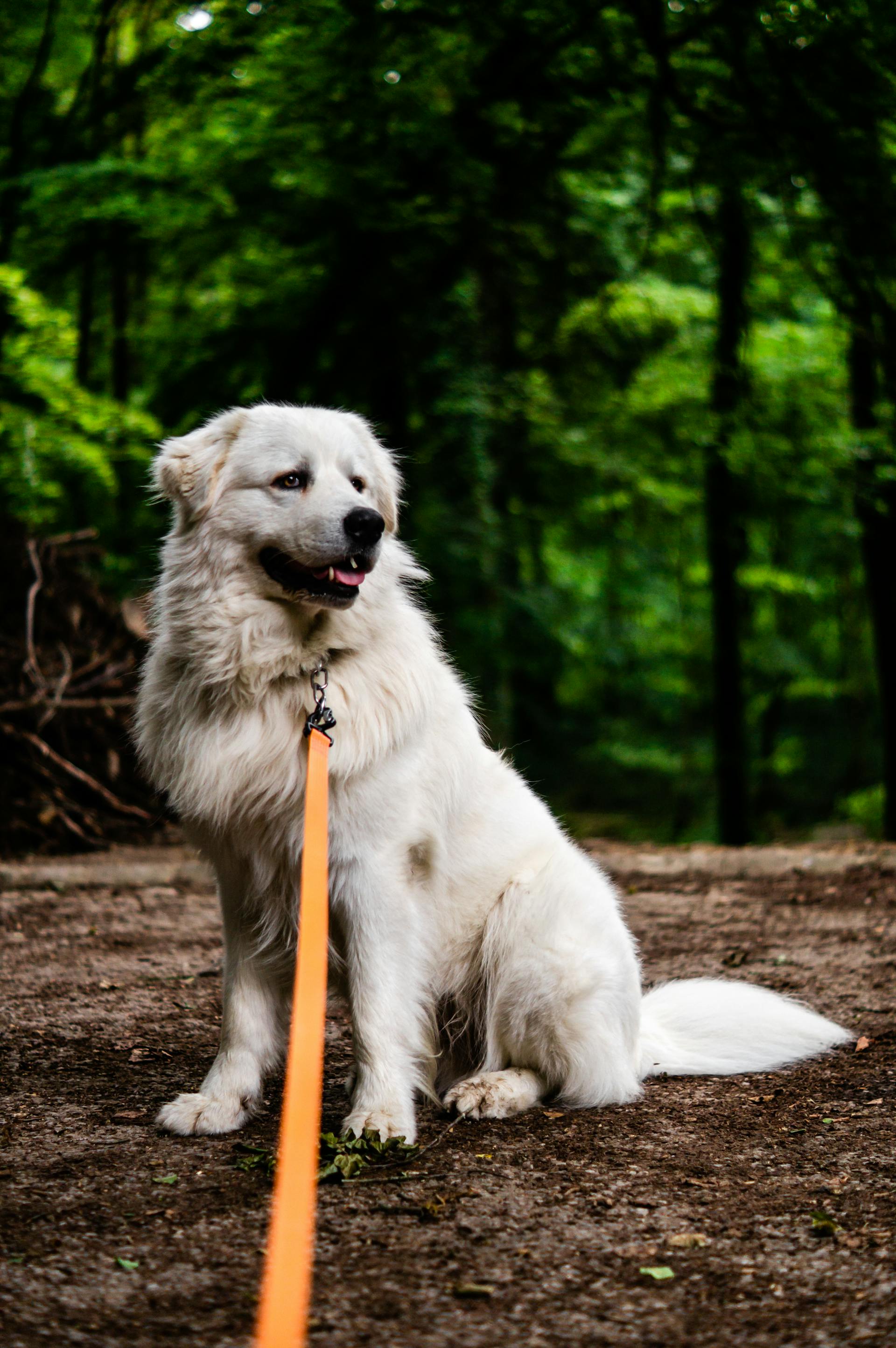
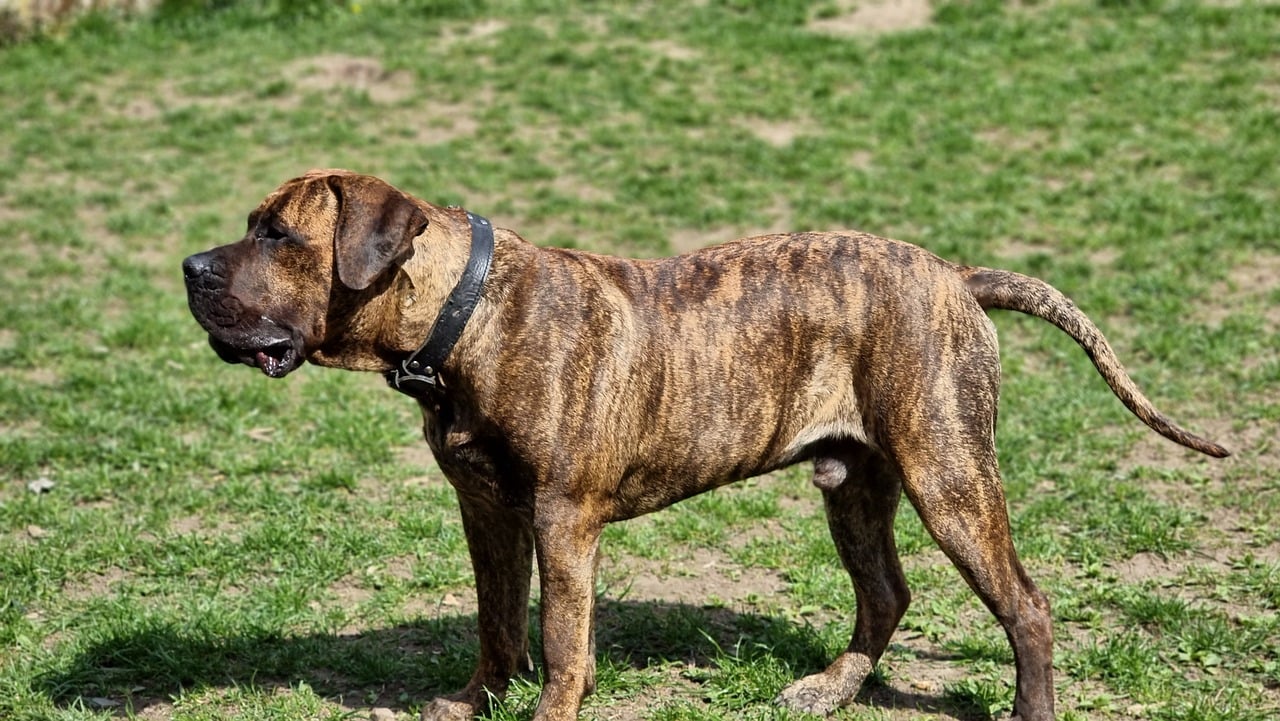
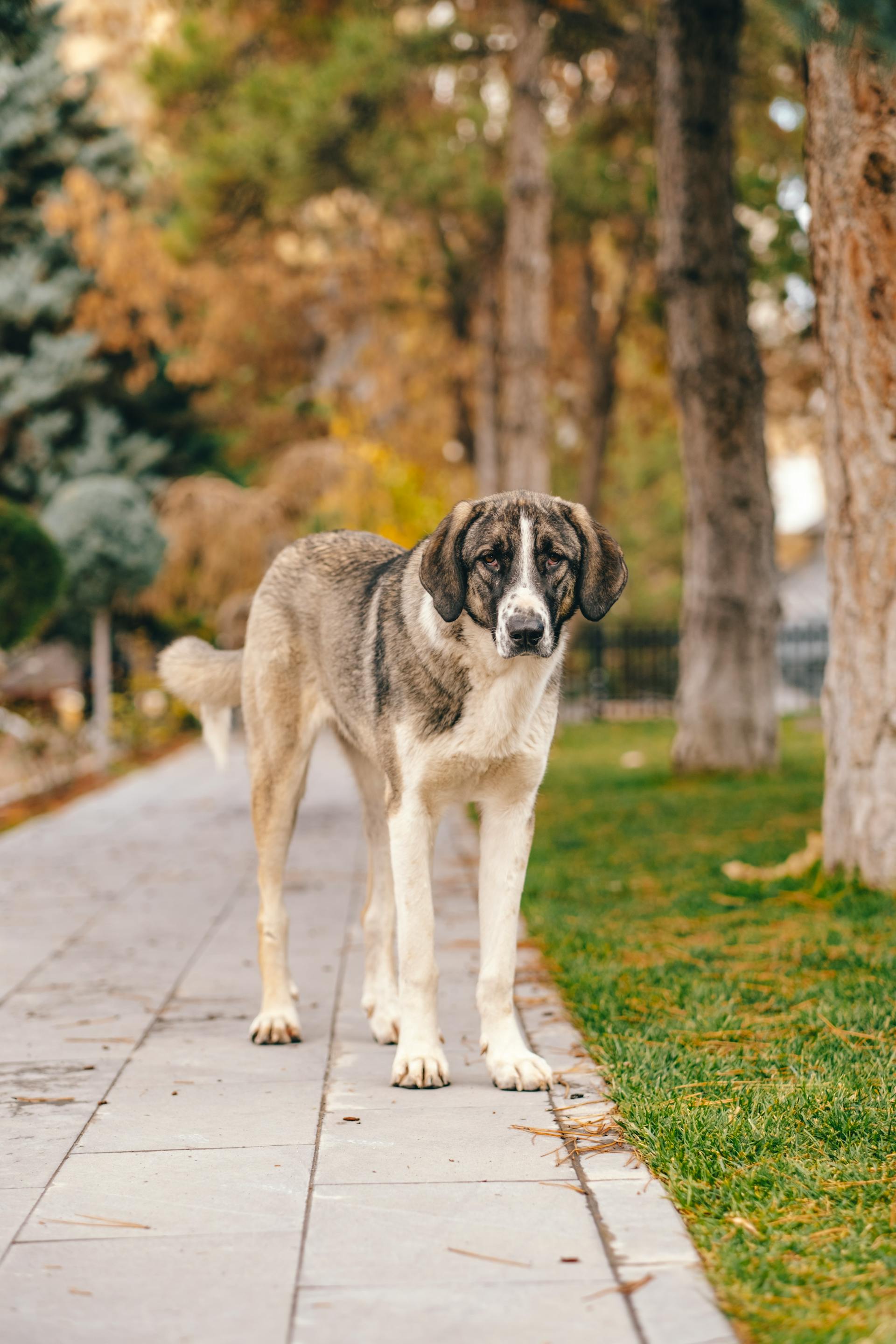
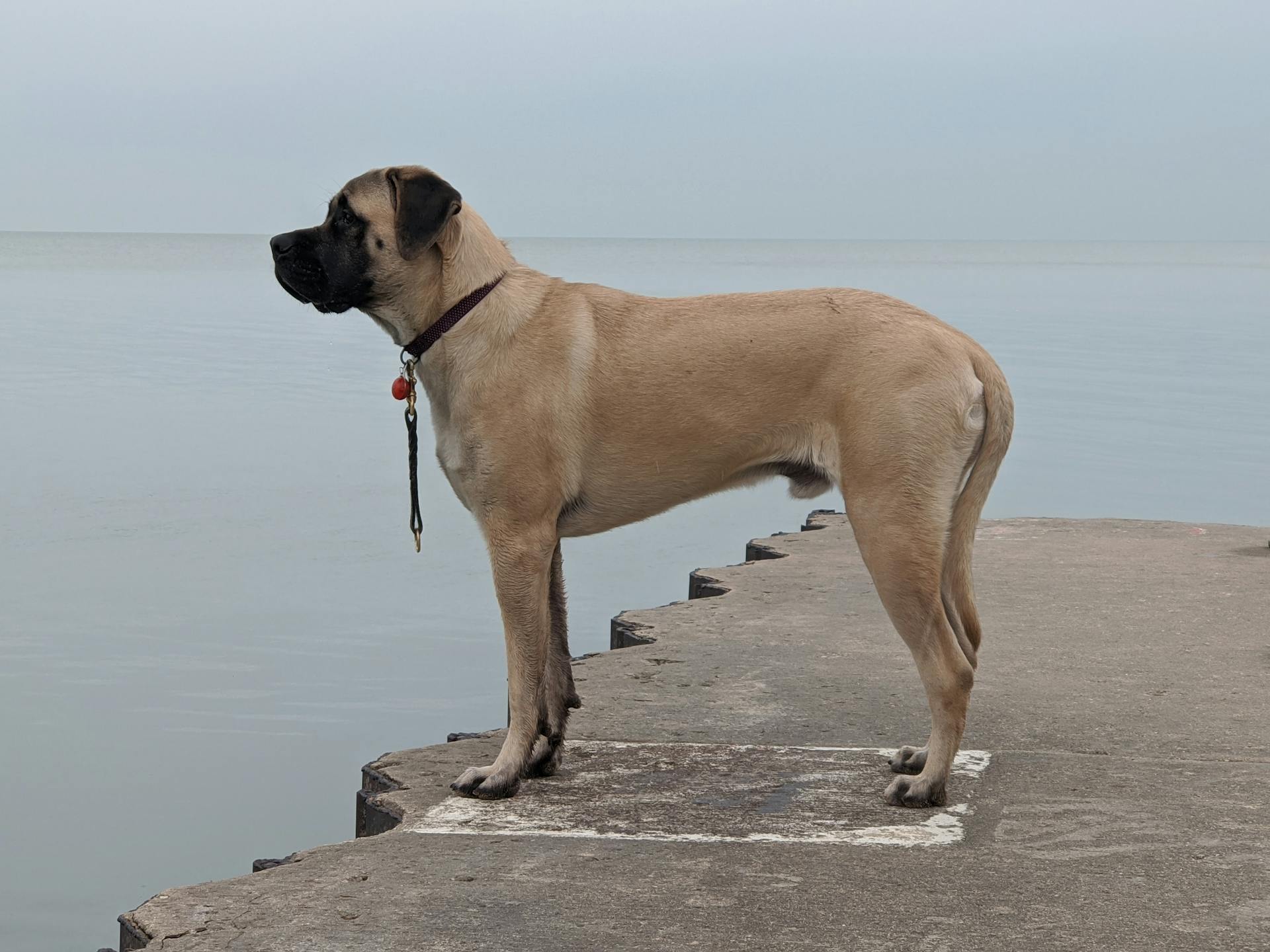
The Central Asian Shepherd Dog, also known as the Alabai, originated in the vast regions of Central Asia, including countries like Kazakhstan, Uzbekistan, Turkmenistan, and Kyrgyzstan. This ancient breed has been used for centuries by nomadic tribes to guard livestock and property against predators and intruders. Known for its strength, resilience, and independence, the Central Asian Shepherd Dog is a true working breed.
Energy Level
Natural energy and enthusiasm throughout the day.
Exercise Needs
Amount of physical activity required to stay healthy.
Playfulness
Willingness to play and engage in games.
Affection Level
Tendency to show affection toward humans.
Dog Friendliness
Friendliness and tolerance toward other dogs.
Pet Friendliness
How well this pet gets along with other animals.
Stranger Friendliness
Reaction toward unfamiliar people.
Ease of Training
How easy it is to train and teach commands.
Watchfulness
Alertness and tendency to notice surroundings.
Vocality
Tendency to bark, meow, or make other sounds.
Grooming Requirements
Level of grooming effort needed on a regular basis.
Heat Sensitivity
Sensitivity to hot weather conditions.
Cold Tolerance
Ability to withstand cold temperatures.
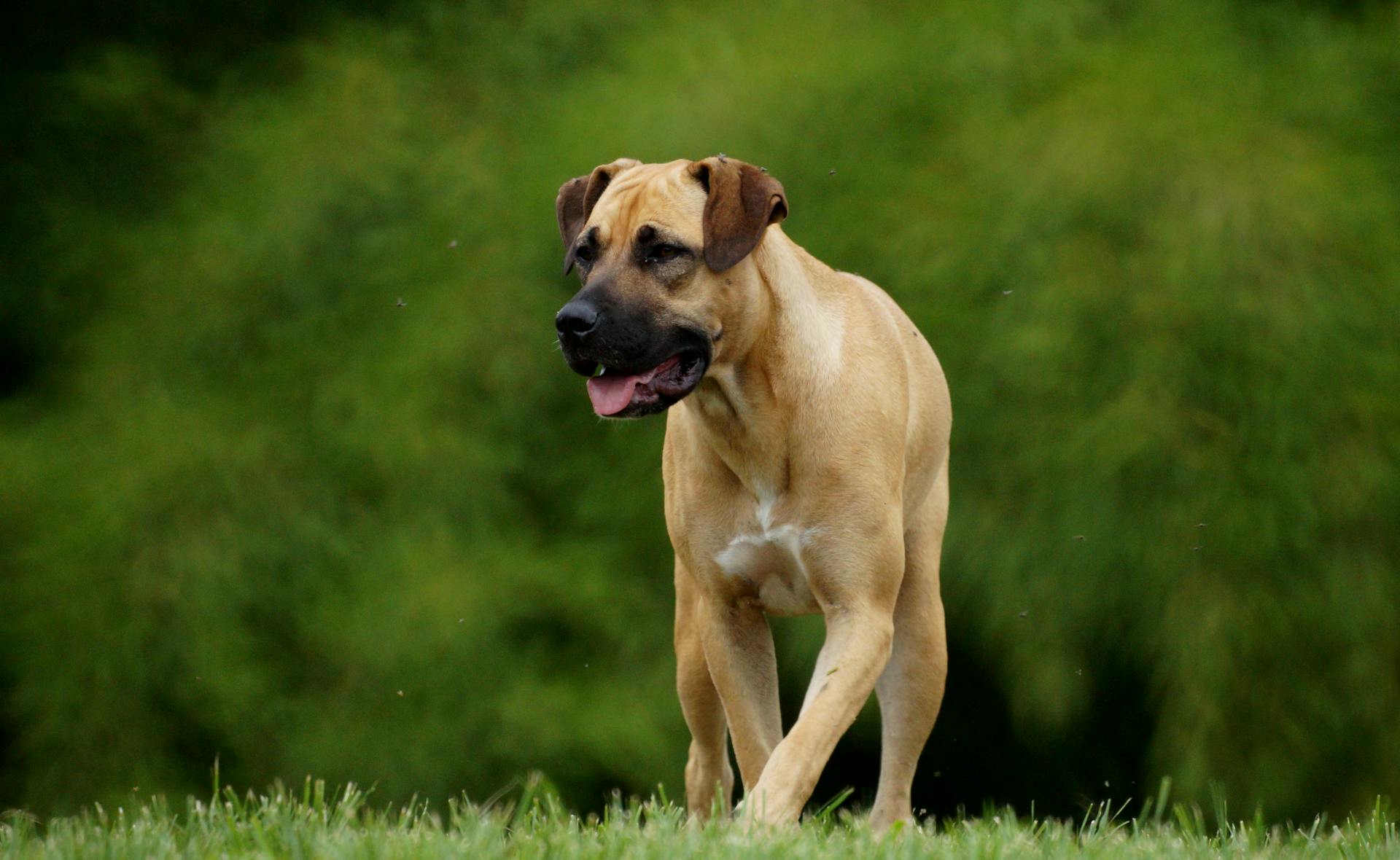
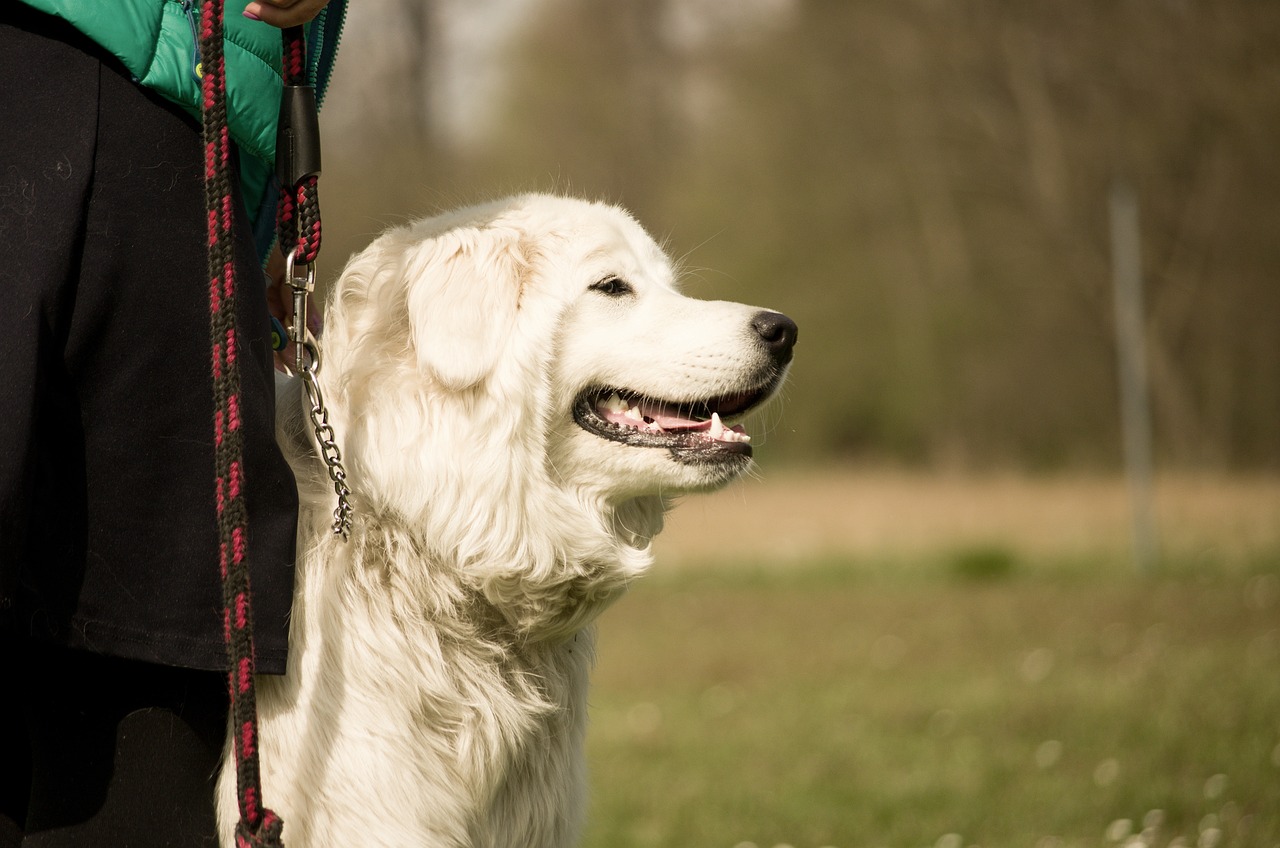
The Central Asian Shepherd Dog is a large and powerful breed with a robust and muscular build. They have a thick, double-layered coat that can be short or long, providing protection against harsh weather conditions. Their fur can come in various colors, including white, black, brindle, and fawn. They have a broad head, strong jaws, and expressive, dark eyes that reflect their intelligence and alertness.
Despite their large size, Central Asian Shepherd Dogs are agile and quick, excelling in activities that require strength and endurance. They are natural protectors, always alert and ready to defend their territory. These dogs need regular exercise to maintain their physical and mental health. They thrive in spacious environments where they can roam freely and perform guarding duties.
The Central Asian Shepherd Dog is known for its independent and protective nature. They form strong bonds with their families and are extremely loyal. This breed is intelligent and confident but can be wary of strangers, making them excellent guard dogs. Proper training and socialization from an early age are essential to manage their protective instincts and ensure they are well-adjusted companions.
The Central Asian Shepherd Dog’s thick coat requires regular brushing to remove loose hair and prevent matting. They are relatively low-maintenance in terms of grooming but need plenty of exercise and mental stimulation. Regular vet check-ups and a balanced diet are crucial to keep them healthy and active. Due to their independent nature, they benefit from consistent and firm training.
Major concerns: Hip dysplasia, elbow dysplasia
Minor concerns: Eye problems, skin allergies
Occasionally seen: Heart conditions
Recommended tests: Hips, elbows, eyes, heart
Lifespan: 12–15 years
The Central Asian Shepherd Dog has a rich history as a guardian of livestock and property in Central Asia. Developed by nomadic tribes, this breed is known for its strength, independence, and protective instincts. Today, the Central Asian Shepherd Dog continues to be valued for its loyalty, bravery, and exceptional guarding abilities, making it a popular choice for families and farmers alike.