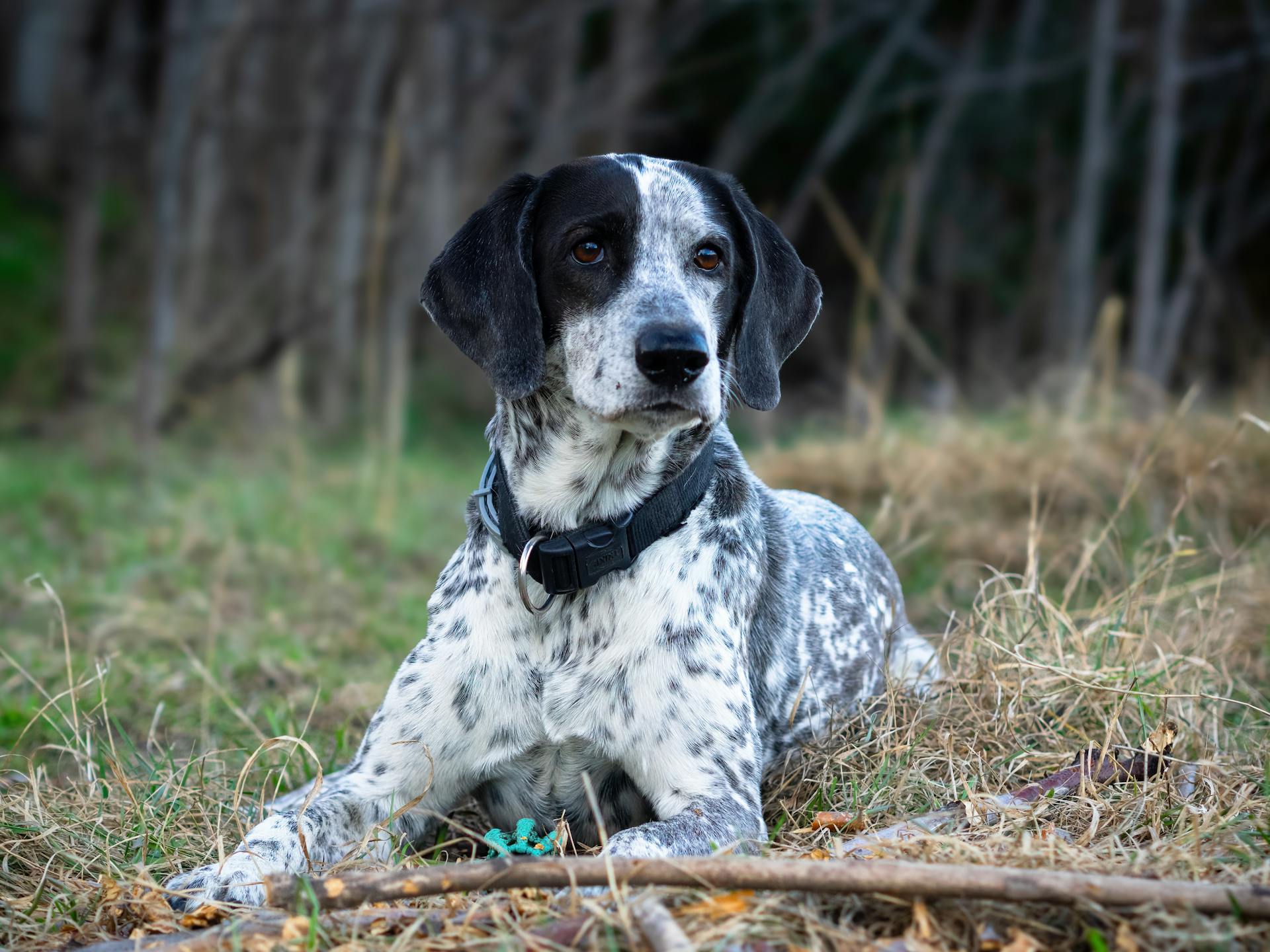
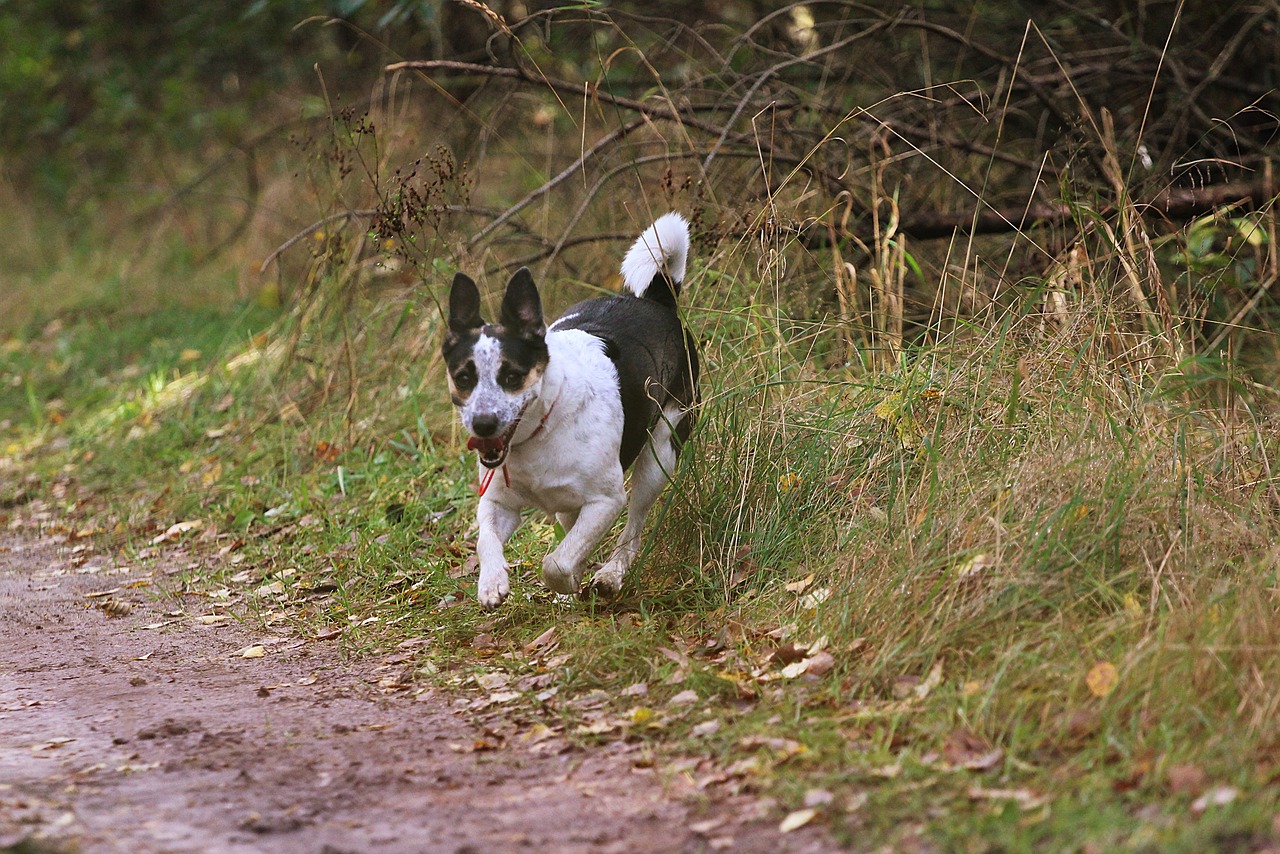
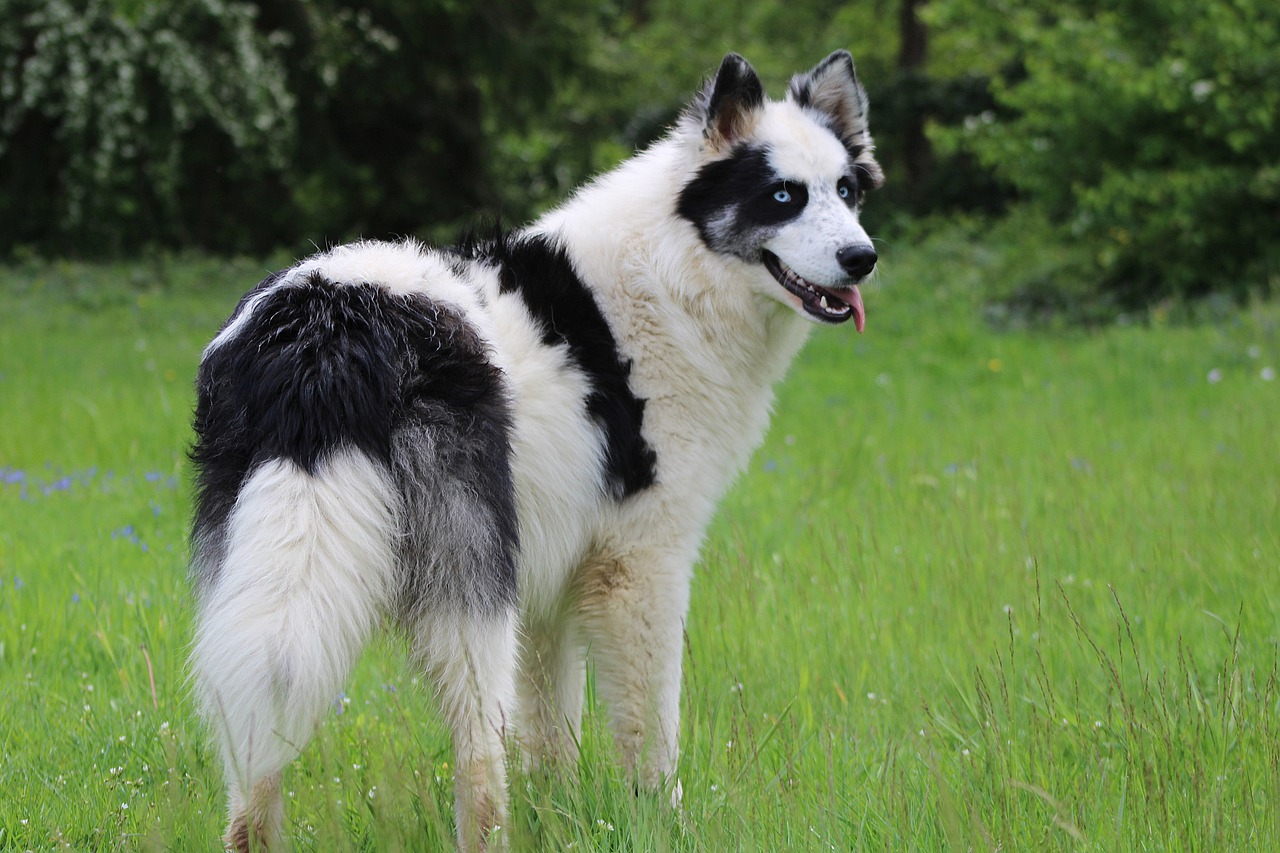
The Dalmatian, known for its distinctive black or liver spots on a white coat, has a history that traces back to ancient times. The breed’s exact origins are unclear, but Dalmatians are believed to have roots in the Dalmatia region of Croatia. They have been used as carriage dogs, firehouse mascots, and even war dogs throughout history. The breed gained widespread popularity as a result of their unique appearance and versatile roles.
Energy Level
Natural energy and enthusiasm throughout the day.
Exercise Needs
Amount of physical activity required to stay healthy.
Playfulness
Willingness to play and engage in games.
Affection Level
Tendency to show affection toward humans.
Dog Friendliness
Friendliness and tolerance toward other dogs.
Pet Friendliness
How well this pet gets along with other animals.
Stranger Friendliness
Reaction toward unfamiliar people.
Watchfulness
Alertness and tendency to notice surroundings.
Vocality
Tendency to bark, meow, or make other sounds.
Grooming Requirements
Level of grooming effort needed on a regular basis.
Heat Sensitivity
Sensitivity to hot weather conditions.
Cold Tolerance
Ability to withstand cold temperatures.
Dalmatians are medium-sized dogs with a well-defined, muscular build. They stand between 19 to 24 inches tall at the shoulder and weigh between 45 to 70 pounds. Their short coat is dense and glossy, with a distinctive pattern of black or liver spots on a white background. The spots are evenly distributed, giving the breed its unique and striking appearance. Dalmatians have a long, tapered tail, a deep chest, and high-set, floppy ears.
Dalmatians are known for their high energy levels and agility. They possess a strong, smooth gait and are capable of running long distances with ease. Historically used as carriage dogs, they have a natural affinity for running alongside horses and are well-suited for activities that require endurance and speed. Dalmatians excel in various dog sports, including agility, obedience, and rally.
The Dalmatian is an intelligent and outgoing breed. They are known for their playful and friendly nature, making them excellent companions for active families. Dalmatians are loyal and protective, forming strong bonds with their owners. However, they can be reserved with strangers, which makes early socialization important. They are good with children and other pets when properly socialized from a young age. Dalmatians are also known for their strong-willed and independent streak, requiring consistent and firm training.
Caring for a Dalmatian involves regular exercise to meet their high energy needs. They thrive in environments where they have plenty of space to run and play. Their short coat requires minimal grooming, but regular brushing helps to control shedding and keep their coat looking its best. Dalmatians are prone to certain health issues, such as deafness and urinary stones, so regular veterinary check-ups are essential to monitor their health.
Major concerns: deafness, urinary stones
Minor concerns: hip dysplasia, allergies
Occasionally seen: hypothyroidism, epilepsy
Suggested tests: hearing, hip, urinary
Life span: 10-13 years
The Dalmatian’s rich history as a carriage dog, firehouse mascot, and companion animal has contributed to its enduring popularity. Their unique spotted coat and lively personality have made them a favorite in various roles, from working dogs to family pets. The breed’s versatility and charm have ensured their place in popular culture, most notably through books and movies like “101 Dalmatians.” Today, Dalmatians continue to be cherished for their intelligence, loyalty, and distinctive appearance.