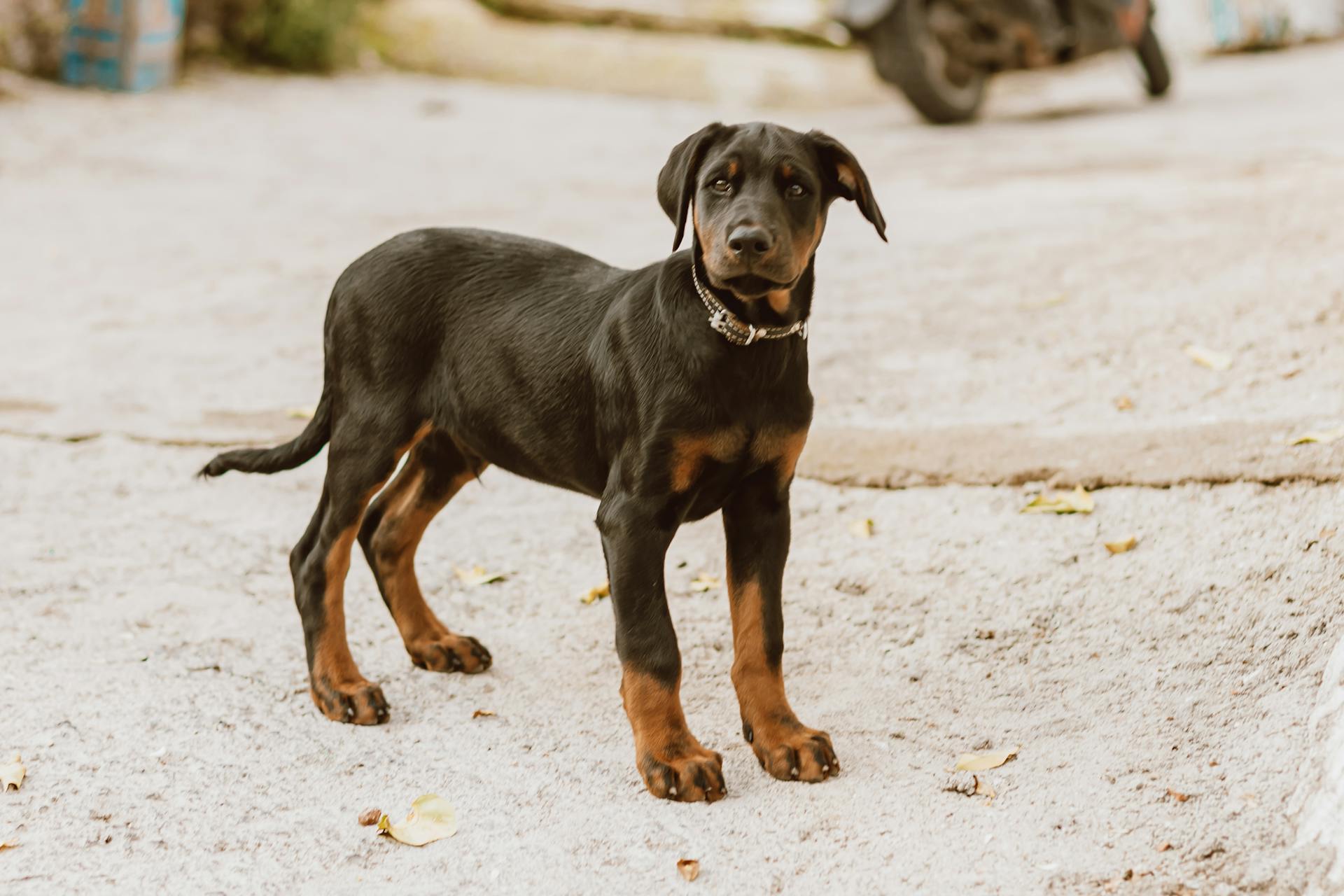
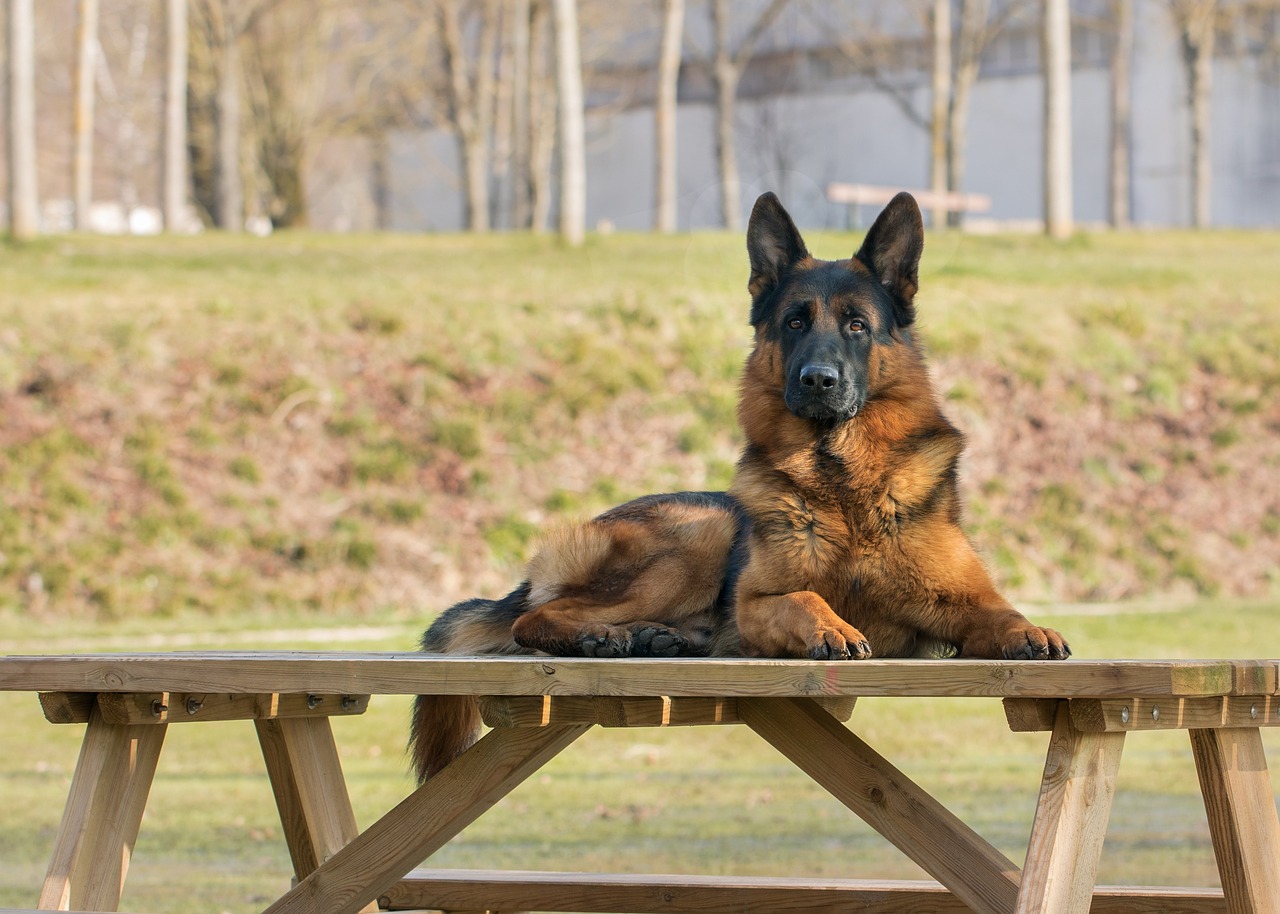
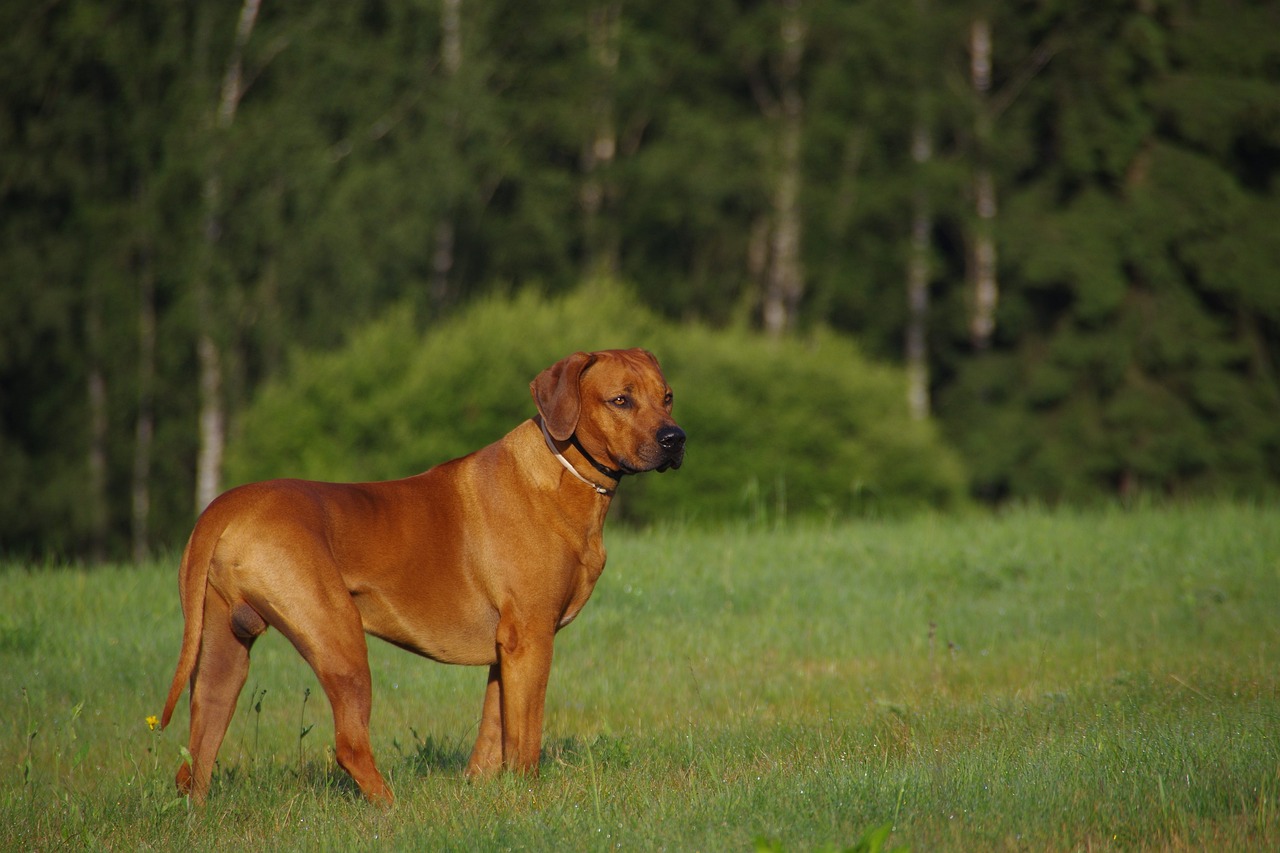
The Doberman Pinscher was developed in Germany in the late 19th century by a tax collector named Karl Friedrich Louis Dobermann, who sought to breed an imposing but reliable protector to accompany him on his rounds. The breed was created from a mix of dogs that included the Rottweiler, German Pinscher, and Weimaraner, among others, which contributed to the Doberman’s size, intelligence, and strength.
Energy Level
Natural energy and enthusiasm throughout the day.
Exercise Needs
Amount of physical activity required to stay healthy.
Playfulness
Willingness to play and engage in games.
Affection Level
Tendency to show affection toward humans.
Dog Friendliness
Friendliness and tolerance toward other dogs.
Pet Friendliness
How well this pet gets along with other animals.
Stranger Friendliness
Reaction toward unfamiliar people.
Ease of Training
How easy it is to train and teach commands.
Watchfulness
Alertness and tendency to notice surroundings.
Vocality
Tendency to bark, meow, or make other sounds.
Grooming Requirements
Level of grooming effort needed on a regular basis.
Heat Sensitivity
Sensitivity to hot weather conditions.
Cold Tolerance
Ability to withstand cold temperatures.
Doberman Pinschers are sleek, powerful dogs with a muscular and compact build. They are medium to large in size, with a proud carriage and a look of alertness. Their coat is short, smooth, and lies close to the body, commonly in black and tan, although other color variations like blue and red exist. Their wedge-shaped head, alert ears, and watchful eyes convey their vigilant nature.
Dobermans are known for their stamina and speed. They are extremely agile, capable of impressive bursts of speed, which, along with their endurance, makes them excellent working dogs in police and military roles, as well as personal protection.
The Doberman Pinscher has a reputation for being sharp and alert. They are highly intelligent and easy to train, responding well to commands and taking their role as a protector seriously. While they are naturally suspicious of strangers, they are exceedingly loyal to their family, making them affectionate and protective household pets.
Dobermans require regular exercise to maintain their physical and mental health. They thrive on having a job to do and benefit from activities like obedience, tracking, and agility training. Their grooming needs are minimal, requiring only occasional brushing to keep their coat shiny.
Major concerns: cardiomyopathy, hip dysplasia
Minor concerns: von Willebrand’s disease, hypothyroidism
Occasionally seen: albinism, gastric torsion
Suggested tests: cardiac, hip, thyroid, DNA for von Willebrand’s disease
Life span: 10–13 years
The Doberman’s history as a guard and police dog is well-documented, reflecting their role in society as both protectors and companions. Their intelligence and loyalty have made them a top choice for service roles, and they continue to be one of the most respected and recognized breeds in the world.