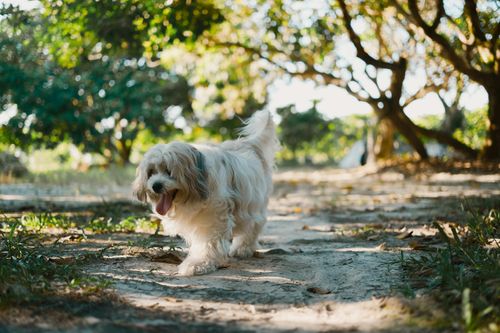
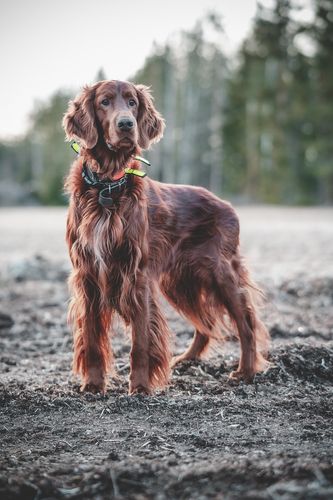
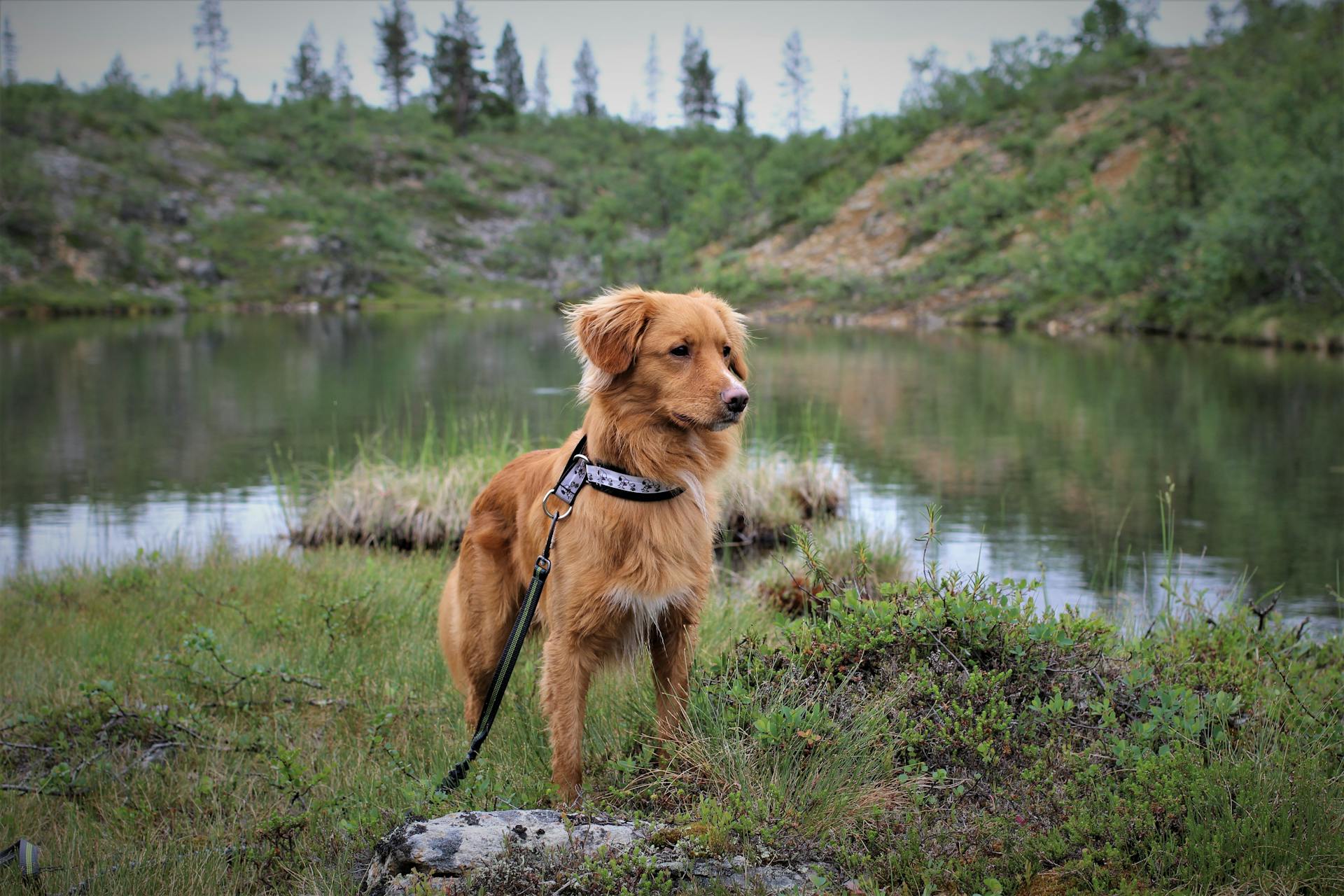
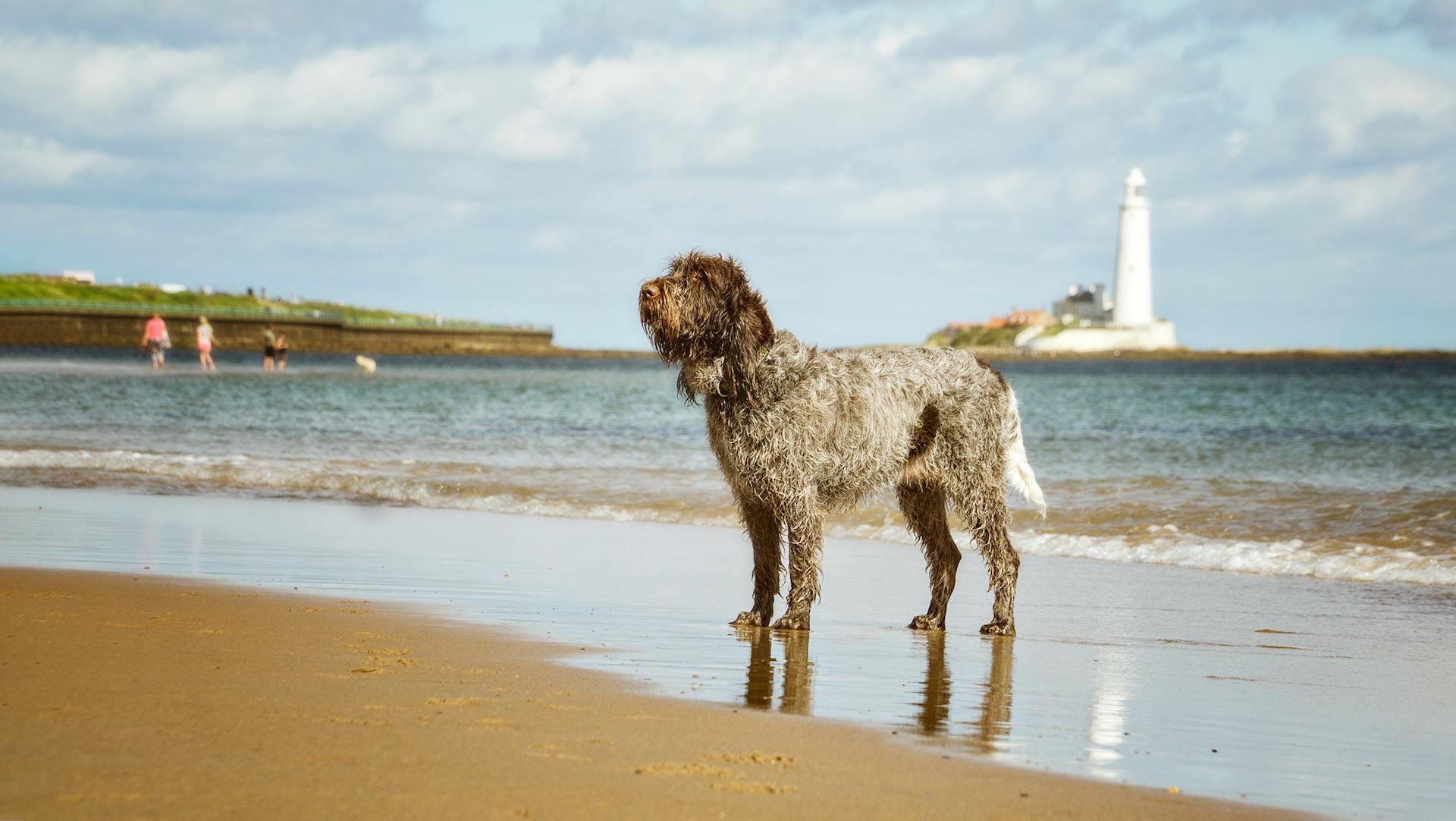
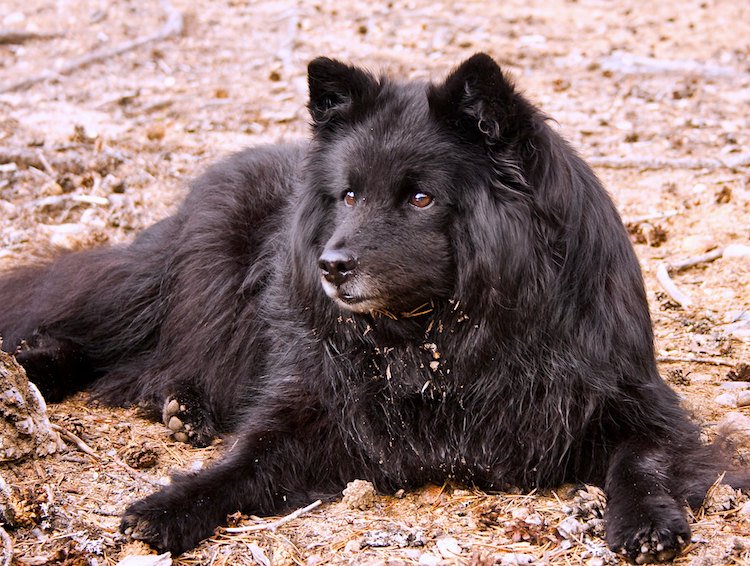
The Flat-Coated Retriever originated in the 19th century in England and was developed as a versatile hunting dog used for retrieving both waterfowl and land game. Bred by crossing various breeds, including the Labrador Retriever and the Newfoundland, the Flat-Coated Retriever quickly gained popularity for its exceptional working ability and friendly disposition.
Energy Level
Natural energy and enthusiasm throughout the day.
Exercise Needs
Amount of physical activity required to stay healthy.
Playfulness
Willingness to play and engage in games.
Affection Level
Tendency to show affection toward humans.
Dog Friendliness
Friendliness and tolerance toward other dogs.
Pet Friendliness
How well this pet gets along with other animals.
Stranger Friendliness
Reaction toward unfamiliar people.
Ease of Training
How easy it is to train and teach commands.
Watchfulness
Alertness and tendency to notice surroundings.
Vocality
Tendency to bark, meow, or make other sounds.
Grooming Requirements
Level of grooming effort needed on a regular basis.
Heat Sensitivity
Sensitivity to hot weather conditions.
Cold Tolerance
Ability to withstand cold temperatures.
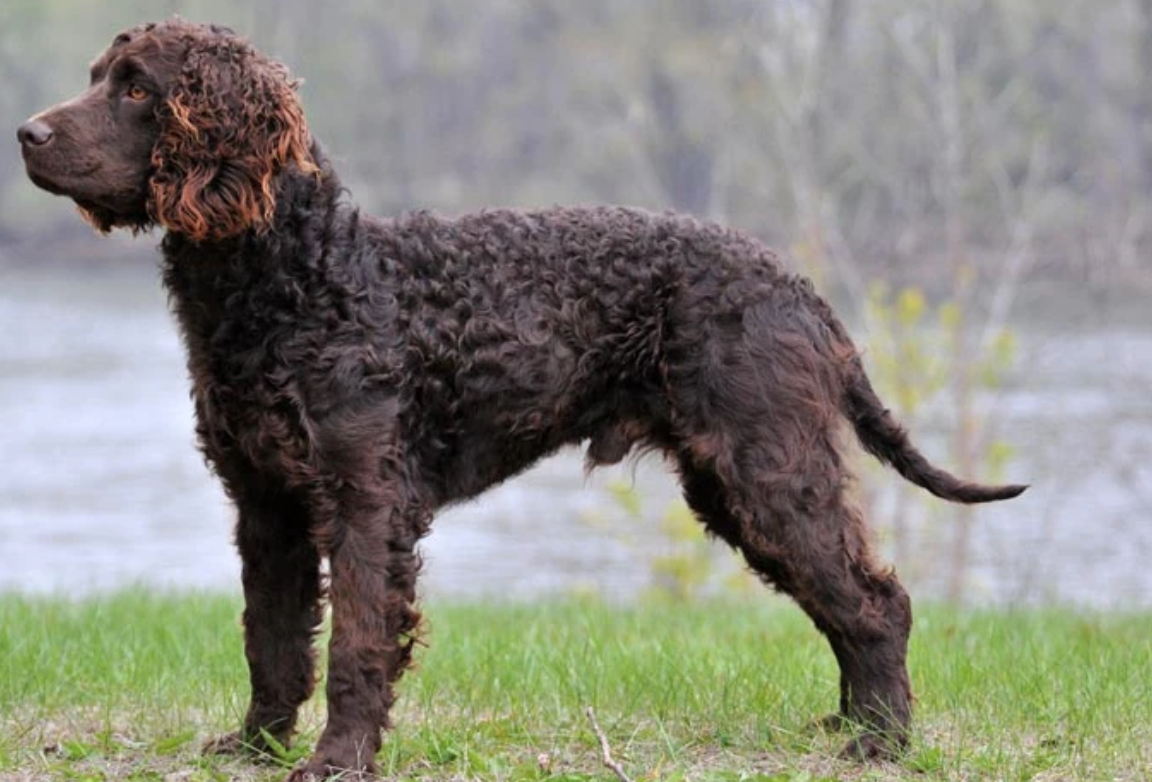
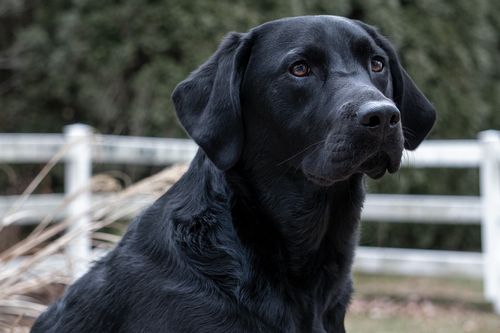
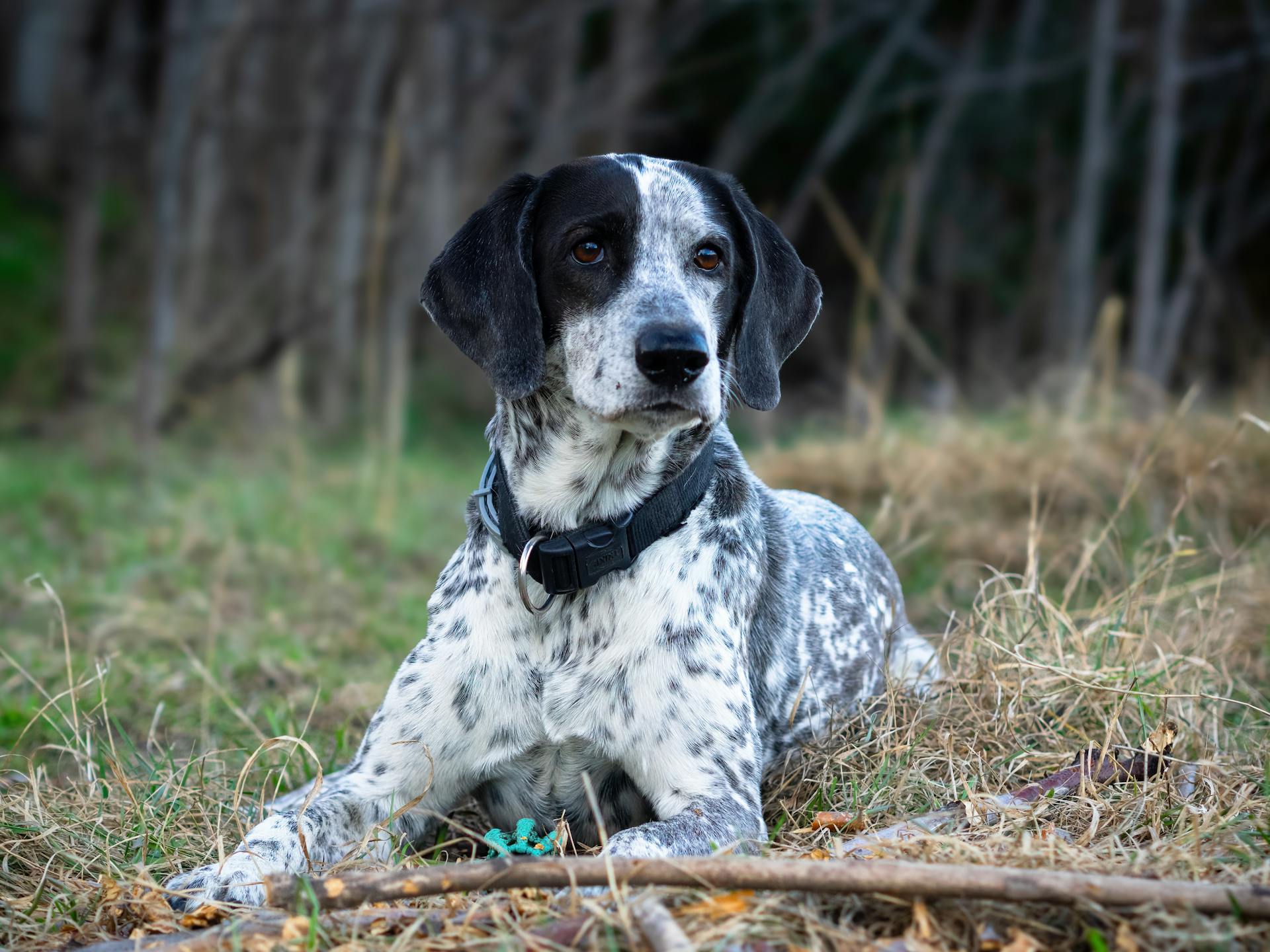
The Flat-Coated Retriever is known for its smooth, straight, and dense coat and elegant build. Their fur is typically black or liver-colored. They have medium-sized, hanging ears and dark, expressive eyes that convey intelligence and alertness. This breed’s medium to large size and muscular build make it well-suited for various working environments.
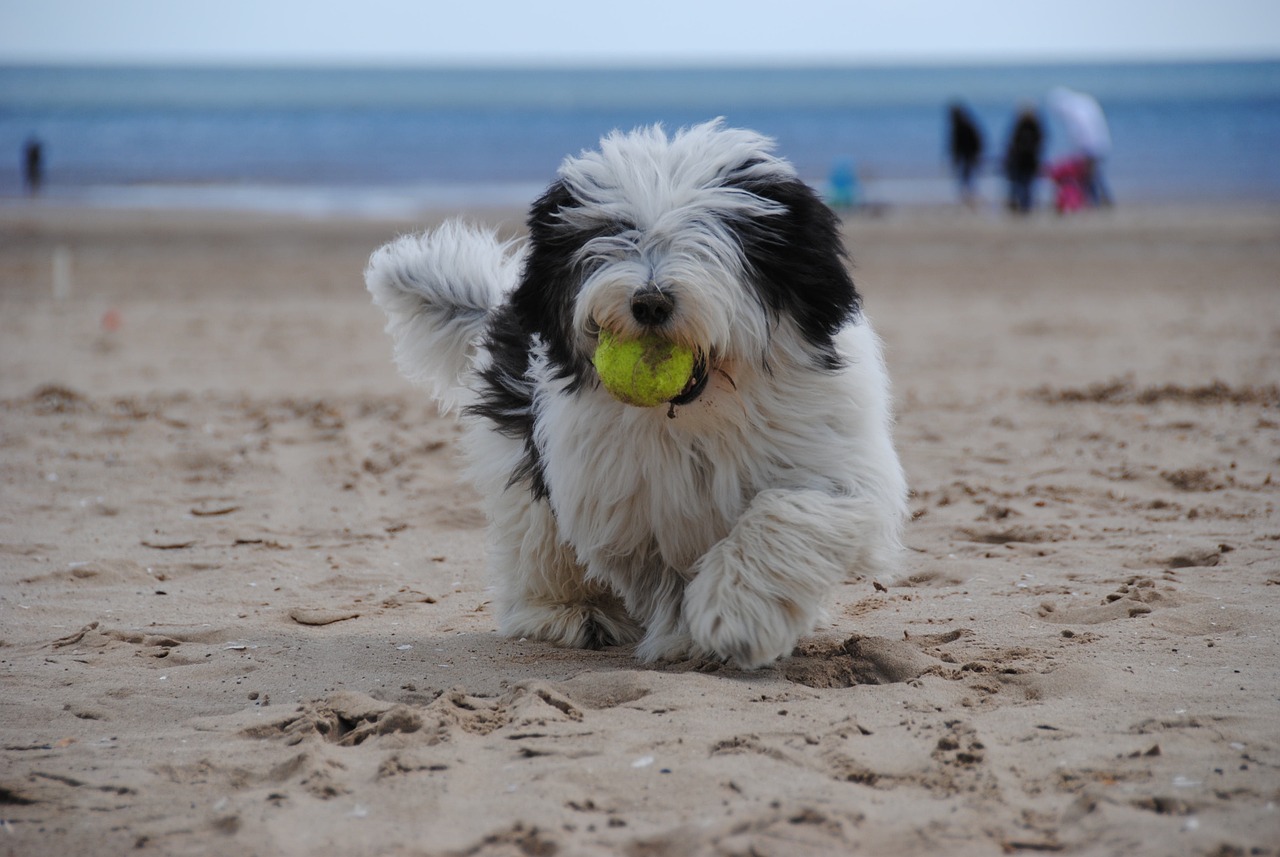
The Flat-Coated Retriever is a highly active breed, excelling in activities that require speed, endurance, and agility, such as retrieving, running, and swimming. They naturally enjoy working, particularly in water. These dogs need plenty of exercise and mental stimulation, making them ideal for families who love outdoor activities.
The Flat-Coated Retriever is known for its friendly and outgoing personality. They are very loyal to their families, love to participate in family activities, and usually get along well with children and other pets. This breed is intelligent and easy to train, eager to please their owners, making them ideal family companions. They are highly alert but also very friendly towards strangers.
The Flat-Coated Retriever’s coat requires regular brushing to prevent matting and maintain its smooth appearance. They need plenty of exercise to stay physically and mentally healthy. Daily walks, runs, or playtime are essential. Regular vet check-ups and a proper diet help keep them healthy and long-lived.
Major concerns: Hip dysplasia, cancer
Minor concerns: Eye diseases, skin problems
Occasionally seen: Ear infections
Recommended tests: Hips, eyes, cancer screening
Lifespan: 10–14 years
The Flat-Coated Retriever has a rich history as a versatile hunting dog, excelling in retrieving and family life. Initially developed in England, this breed is known for its friendly appearance and exceptional working abilities. Today, the Flat-Coated Retriever continues to be cherished worldwide for its intelligence, friendliness, and active nature.