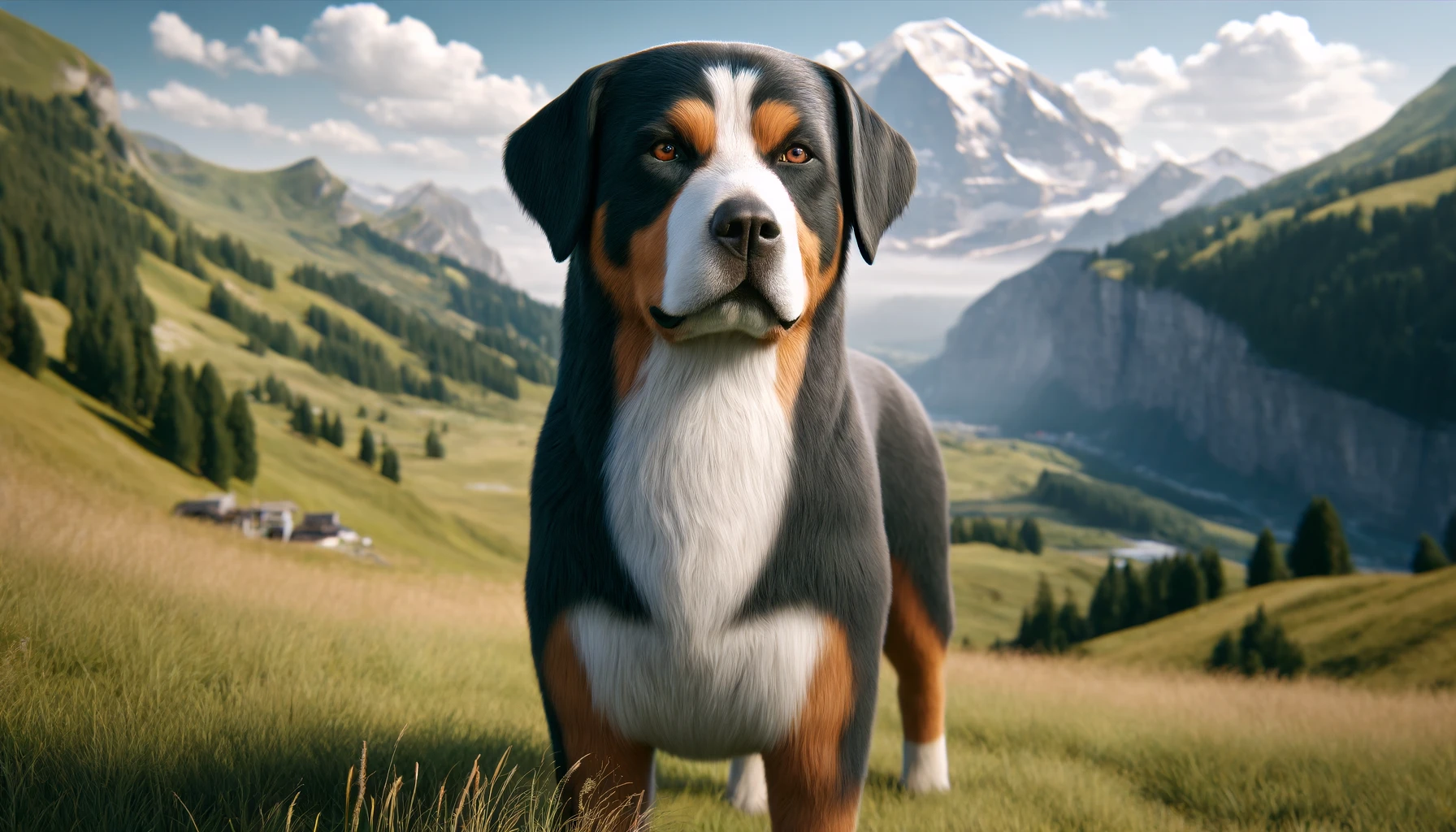
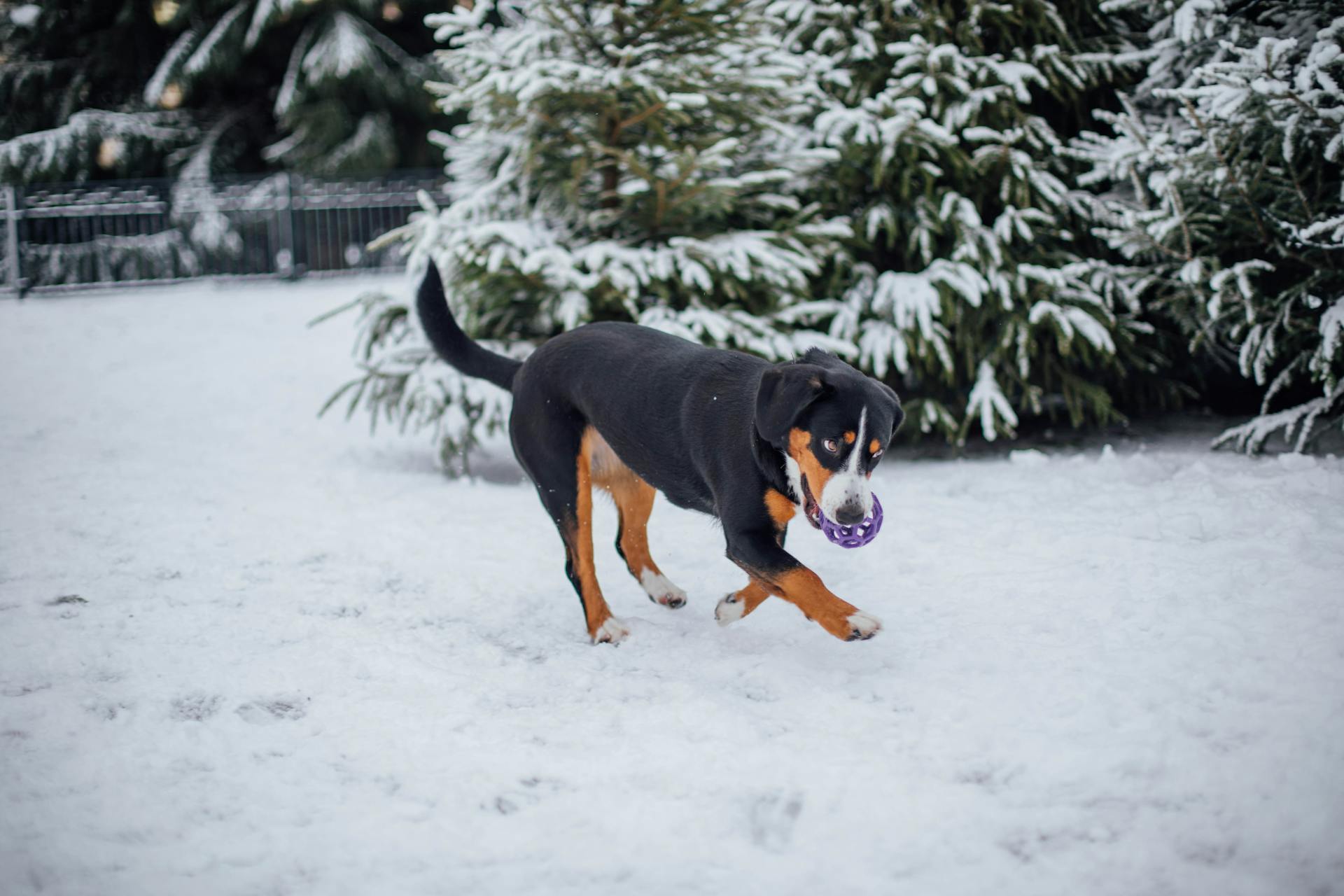
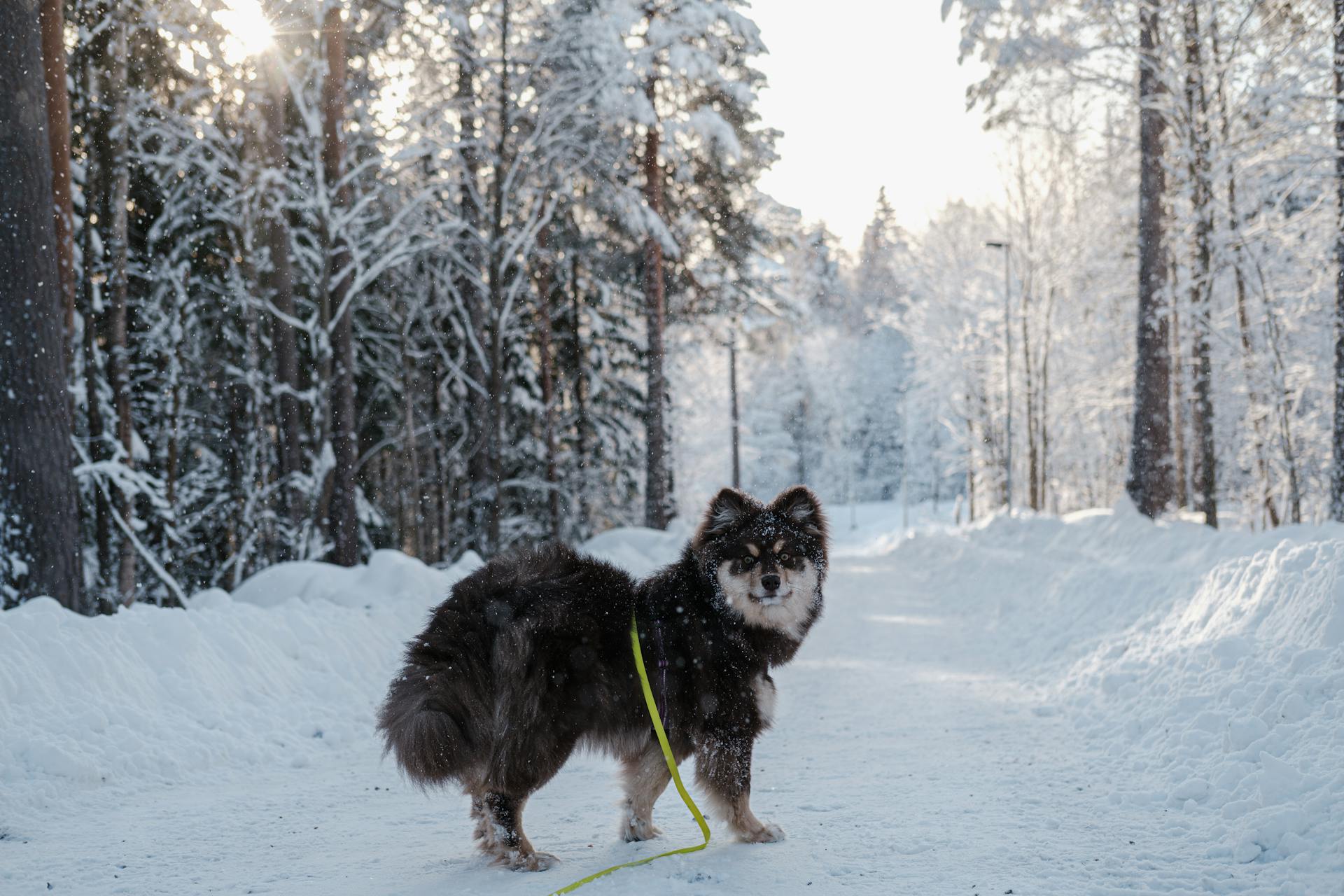
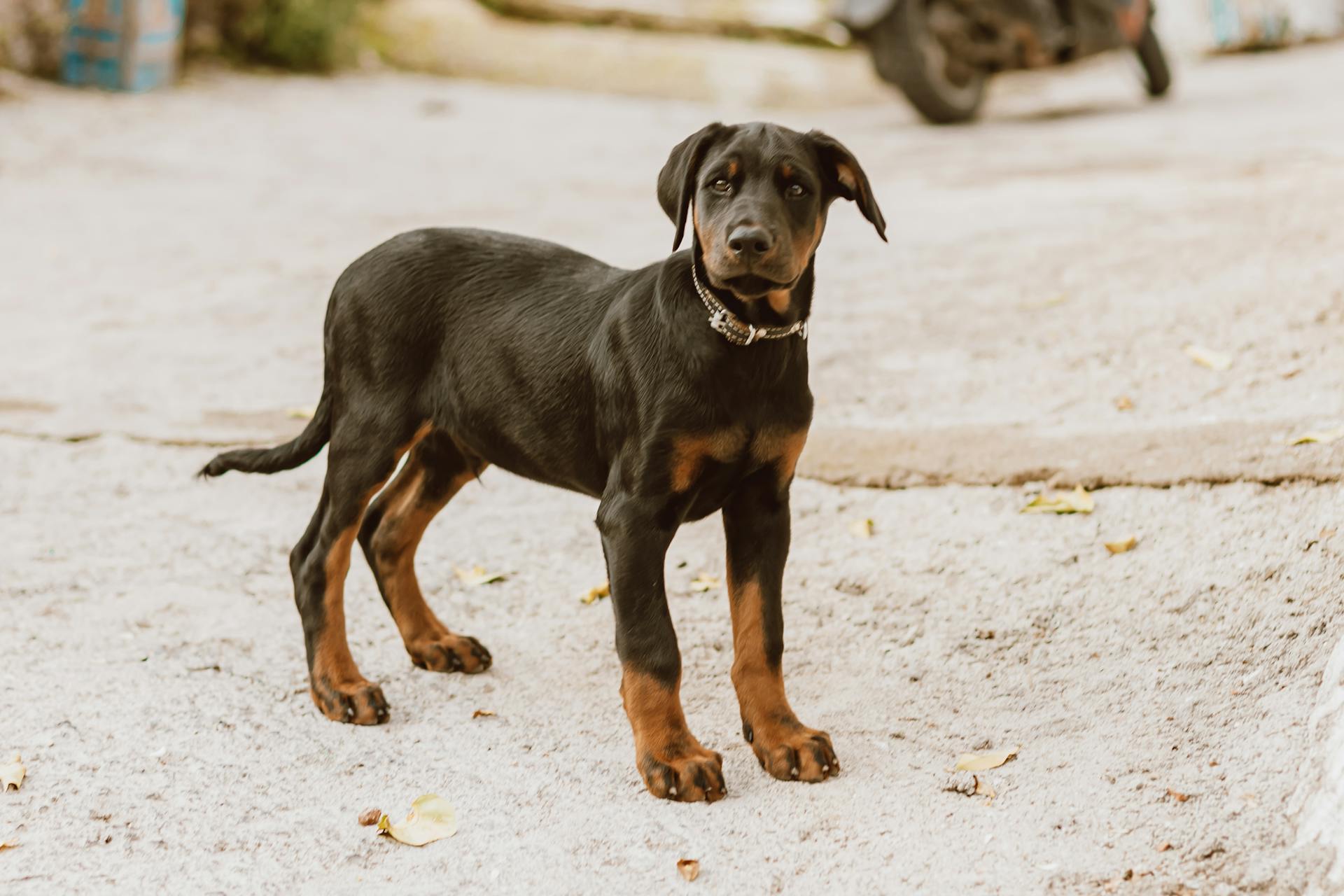
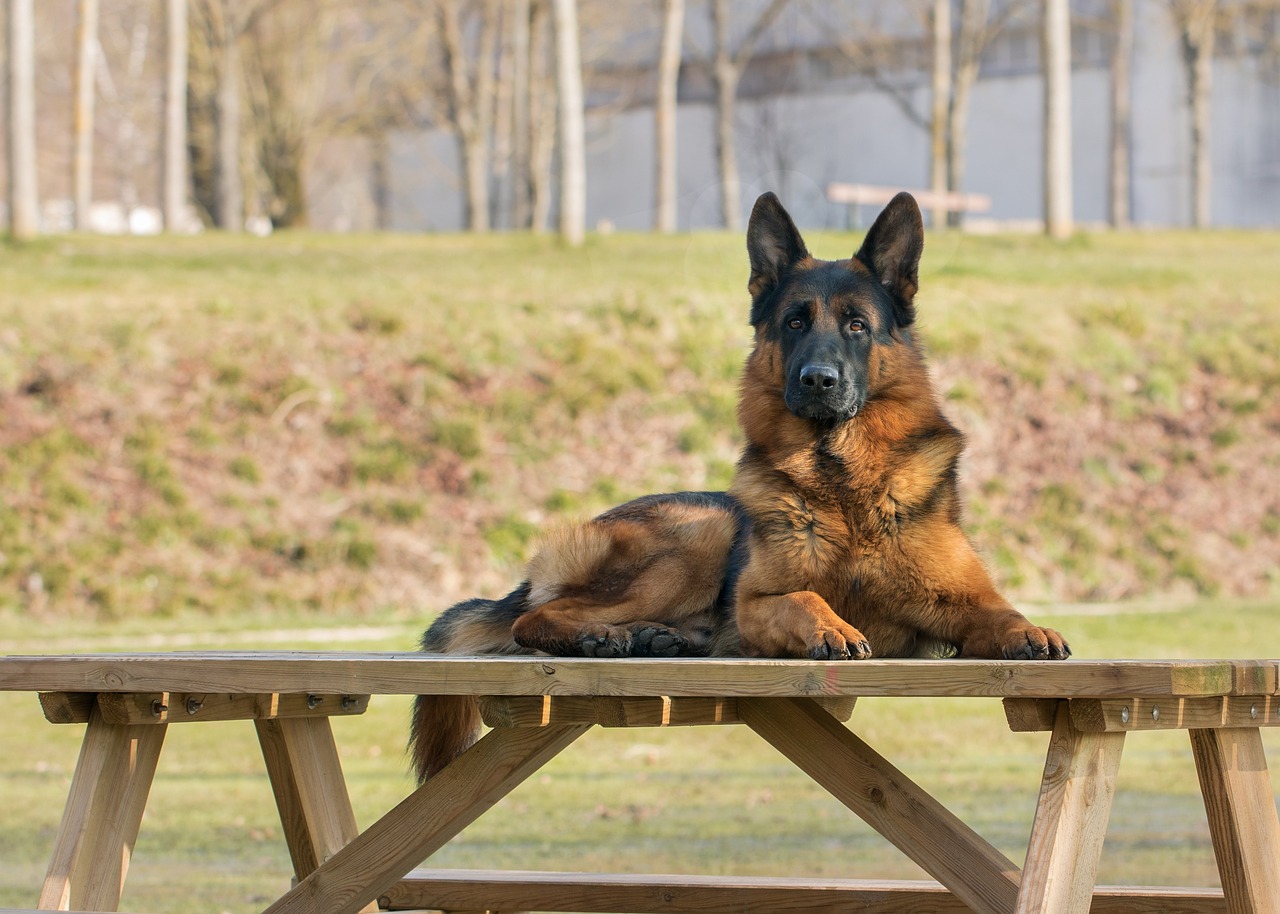
The Giant Schnauzer, developed in Germany during the 17th century, was originally used for driving cattle and guarding farms. Bred from the Standard Schnauzer, with infusions of larger breeds like the Great Dane and the Bouvier des Flandres, the Giant Schnauzer was created to be a versatile working dog. Its strength, intelligence, and protective instincts made it a valuable asset on farms and later in urban environments as a police and military dog.
Energy Level
Natural energy and enthusiasm throughout the day.
Exercise Needs
Amount of physical activity required to stay healthy.
Playfulness
Willingness to play and engage in games.
Affection Level
Tendency to show affection toward humans.
Dog Friendliness
Friendliness and tolerance toward other dogs.
Pet Friendliness
How well this pet gets along with other animals.
Stranger Friendliness
Reaction toward unfamiliar people.
Ease of Training
How easy it is to train and teach commands.
Watchfulness
Alertness and tendency to notice surroundings.
Vocality
Tendency to bark, meow, or make other sounds.
Grooming Requirements
Level of grooming effort needed on a regular basis.
Heat Sensitivity
Sensitivity to hot weather conditions.
Cold Tolerance
Ability to withstand cold temperatures.
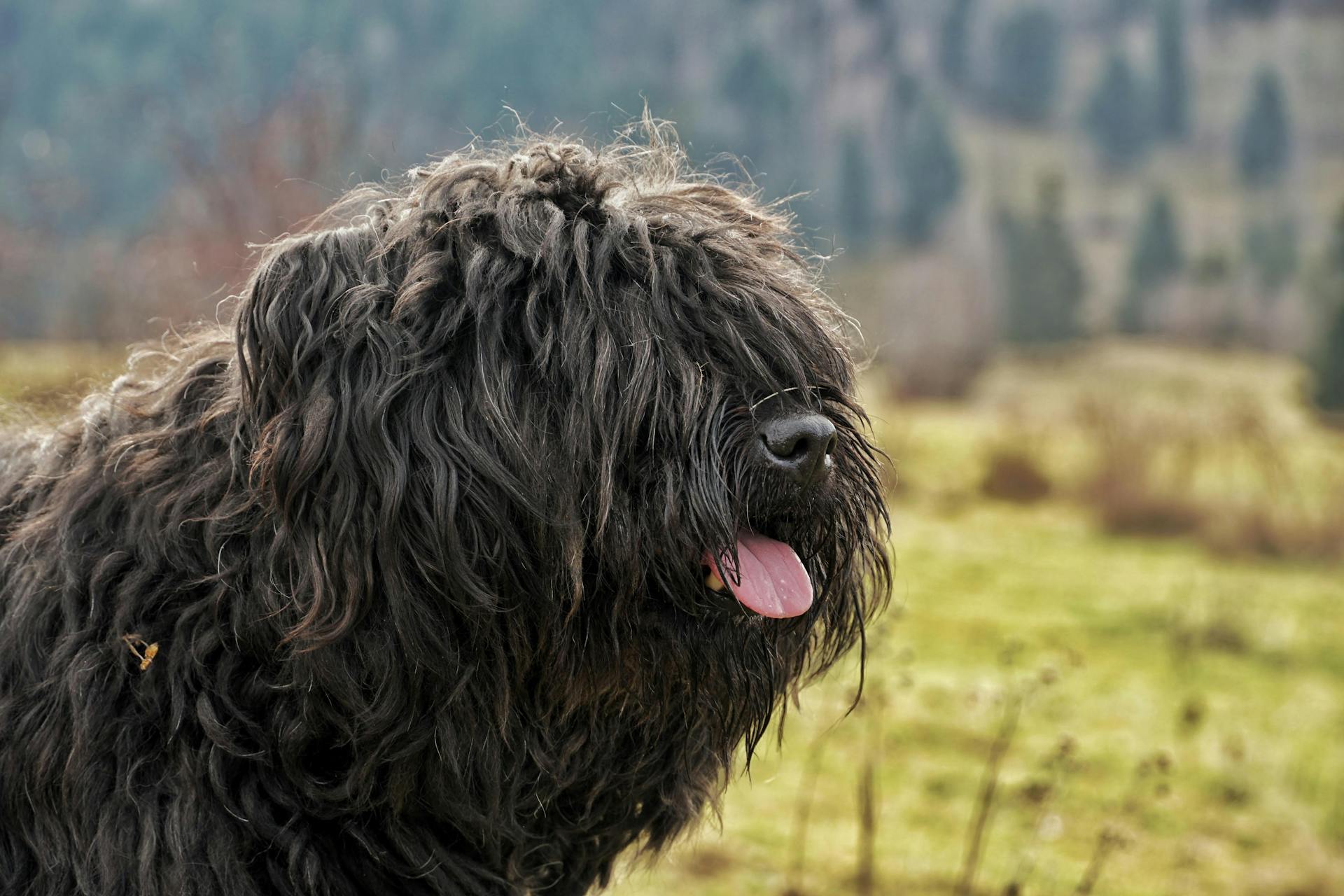
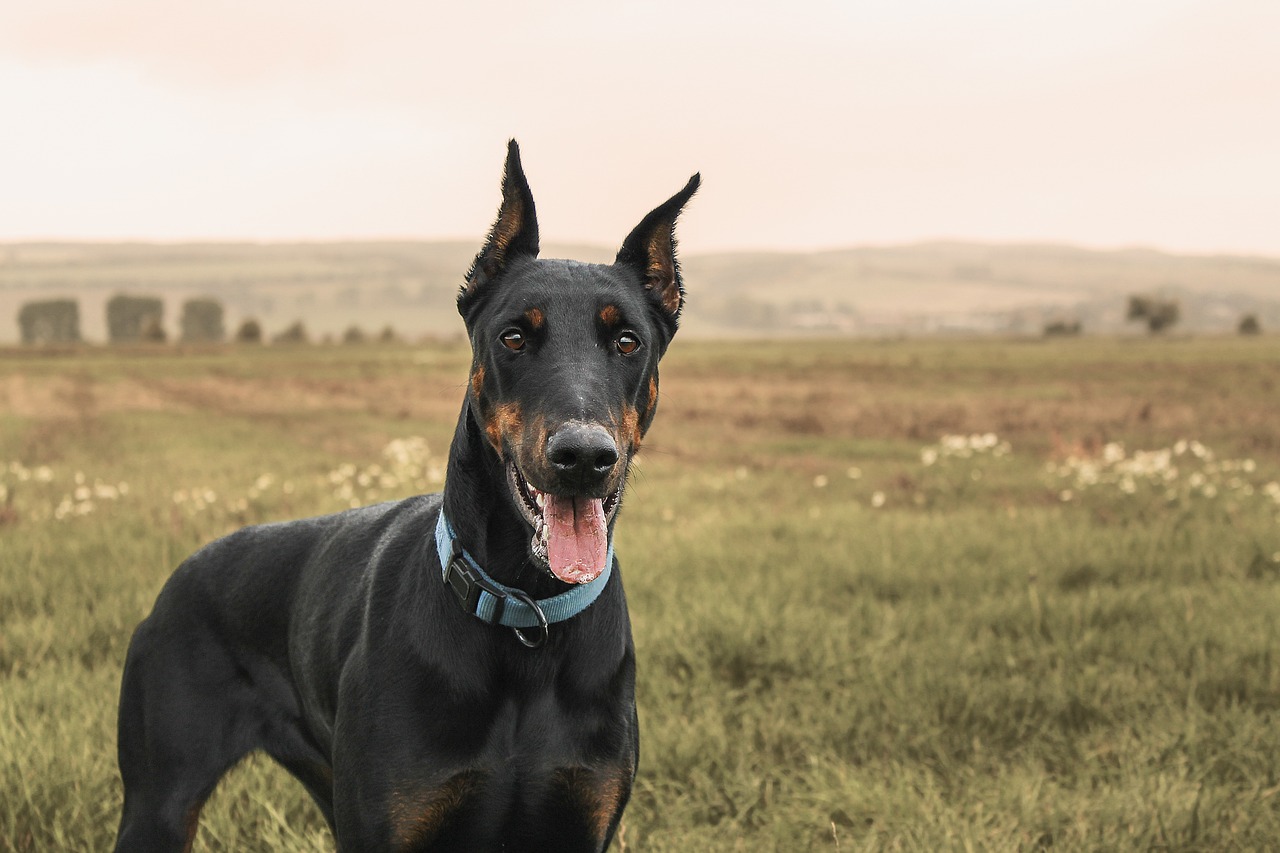
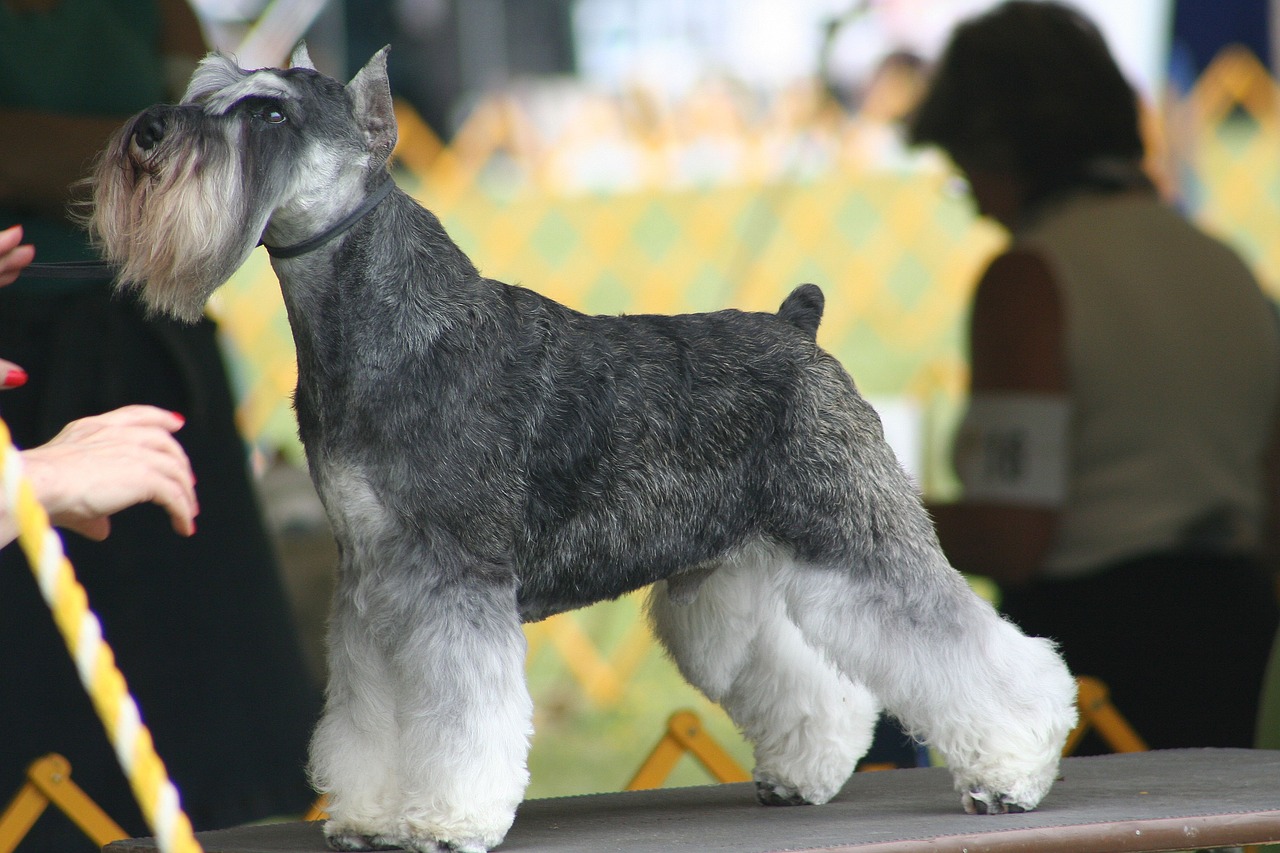
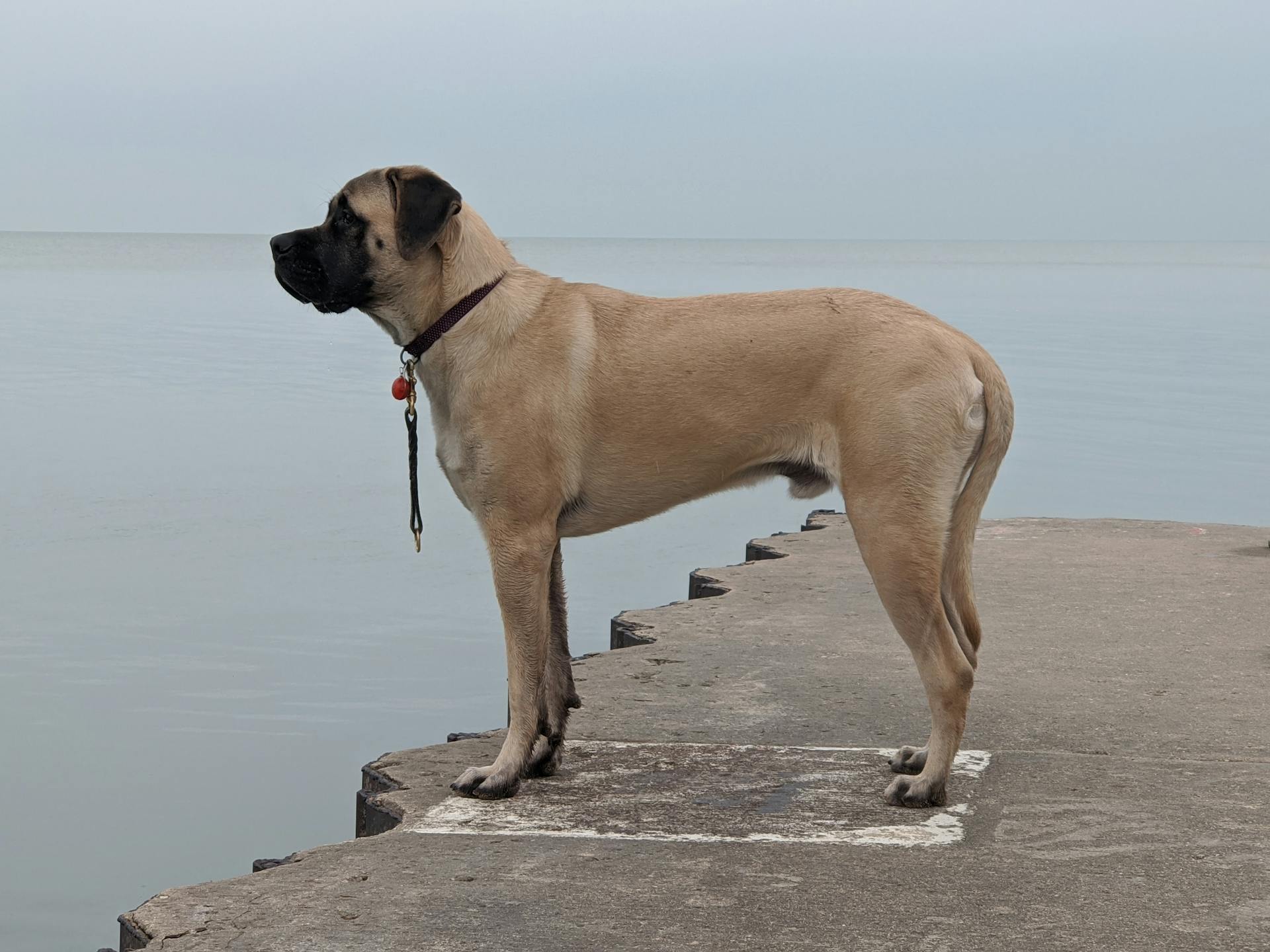
The Giant Schnauzer is a large, robust dog with a distinctive, bushy beard and eyebrows. It has a dense, wiry coat that comes in solid black or salt-and-pepper. The breed has a strong, square-built body, a broad head, and a powerful muzzle. The ears are typically cropped and erect, adding to their alert and formidable appearance.
Giant Schnauzers are known for their agility and athleticism. They have a strong, purposeful gait and require regular exercise to maintain their physical health and mental well-being. Activities such as running, agility training, and herding exercises are ideal for keeping them fit and stimulated.
Giant Schnauzers are known for their loyal and protective nature. They are highly intelligent and quick learners, making them excellent candidates for training in various disciplines. Their strong bond with their family makes them dedicated guardians, though they require early socialization and consistent training to ensure they are well-adjusted and well-behaved. They are typically reserved with strangers but are affectionate and playful with their loved ones.
Giant Schnauzers require regular grooming due to their wiry coat. This includes brushing several times a week and regular trimming to maintain their distinctive appearance. Their ears should be checked regularly to prevent infections, and their teeth should be brushed to maintain oral health. Given their high energy levels, they need ample exercise and mental stimulation to prevent boredom and destructive behaviors.
Major concerns: hip dysplasia, progressive retinal atrophy (PRA)
Minor concerns: hypothyroidism, autoimmune diseases
Occasionally seen: bloat (gastric torsion)
Suggested tests: hip, eye, thyroid
Life span: 10–12 years
The Giant Schnauzer’s history as a versatile working dog has established it as a breed of exceptional strength and intelligence. Initially bred for driving cattle and guarding, its roles have expanded to include police and military work due to its trainability and protective instincts. Today, the Giant Schnauzer is celebrated not only for its working capabilities but also as a loyal and affectionate family companion. Its legacy as a dedicated and versatile breed continues to endear it to dog enthusiasts worldwide.