The Mastiff has a long and storied history dating back to ancient civilizations. They were depicted in ancient Egyptian, Greek, and Roman art and were used by the Romans as war dogs. The breed as we know it today was developed in England, where they were used as estate guardians and protectors.
Energy Level
Natural energy and enthusiasm throughout the day.
Exercise Needs
Amount of physical activity required to stay healthy.
Playfulness
Willingness to play and engage in games.
Affection Level
Tendency to show affection toward humans.
Dog Friendliness
Friendliness and tolerance toward other dogs.
Pet Friendliness
How well this pet gets along with other animals.
Stranger Friendliness
Reaction toward unfamiliar people.
Ease of Training
How easy it is to train and teach commands.
Watchfulness
Alertness and tendency to notice surroundings.
Vocality
Tendency to bark, meow, or make other sounds.
Grooming Requirements
Level of grooming effort needed on a regular basis.
Heat Sensitivity
Sensitivity to hot weather conditions.
Cold Tolerance
Ability to withstand cold temperatures.
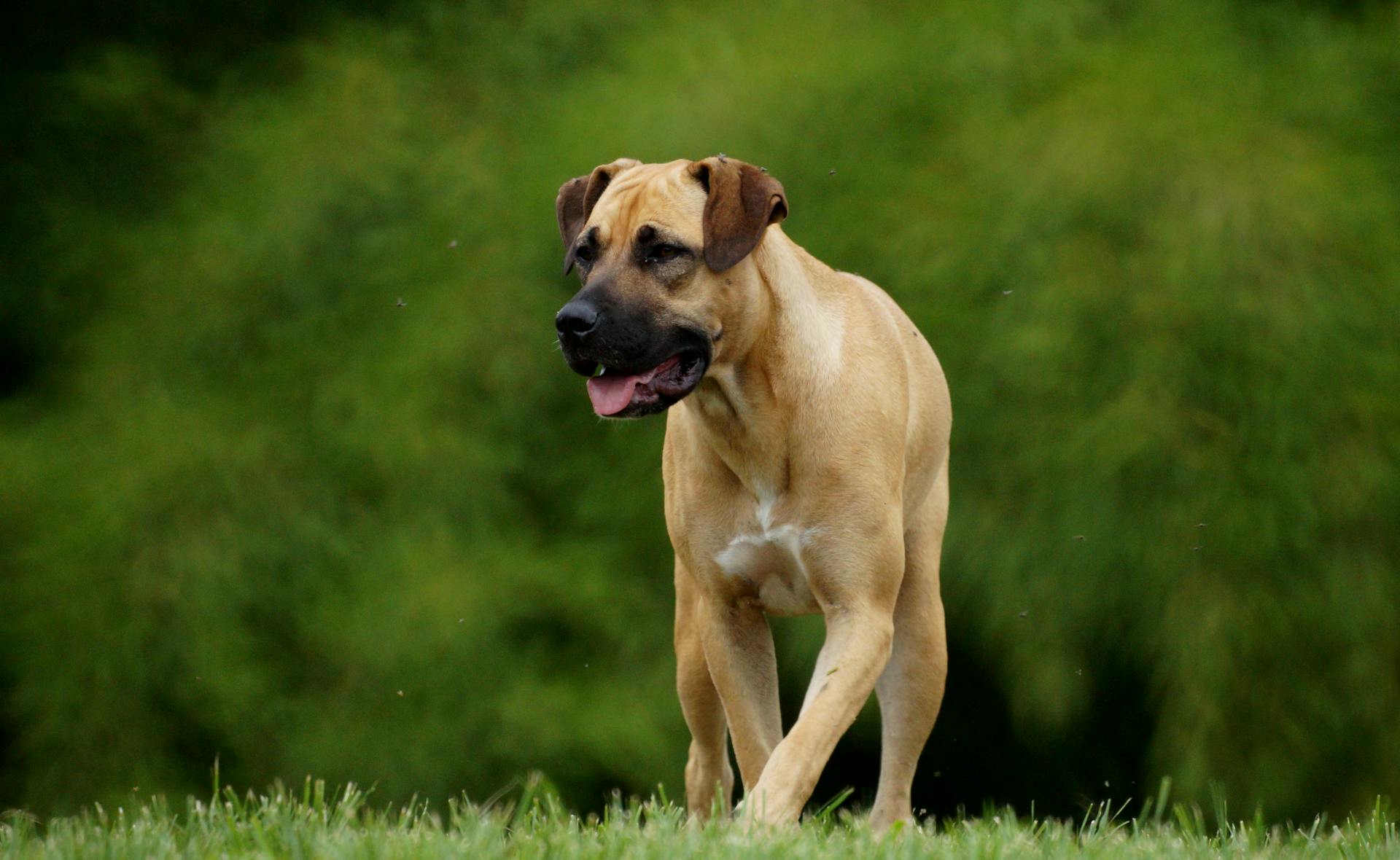
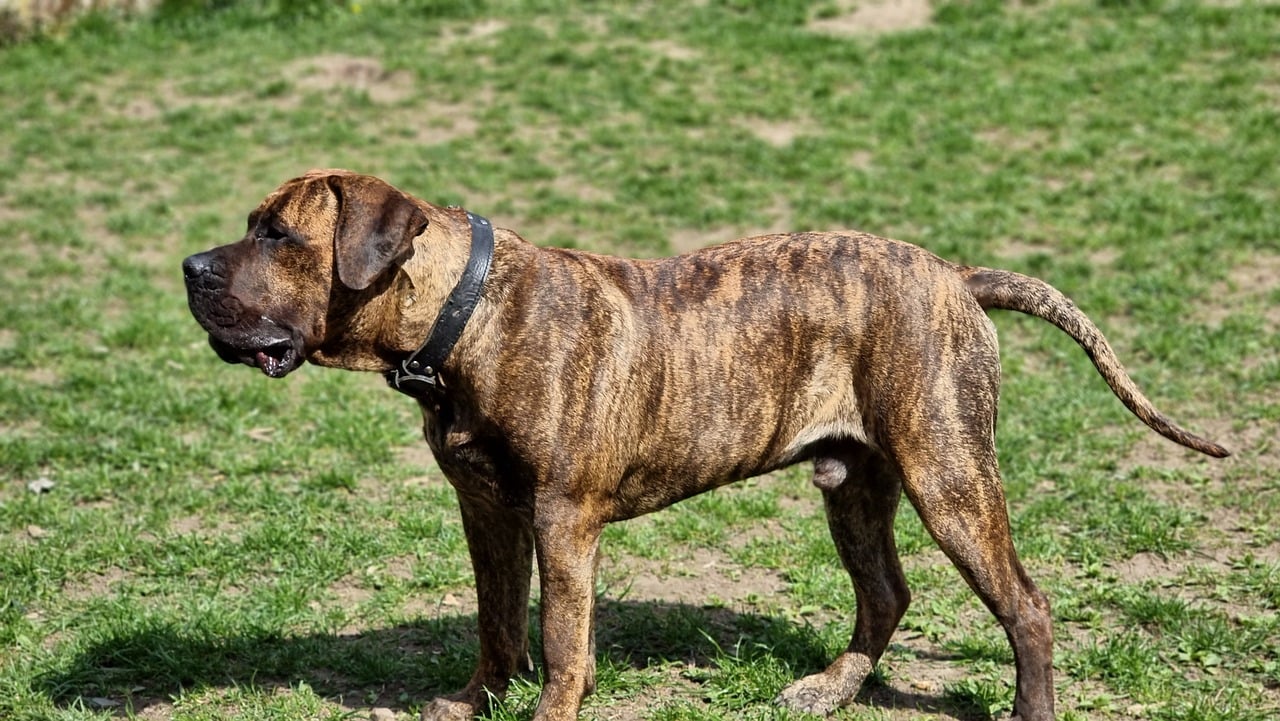
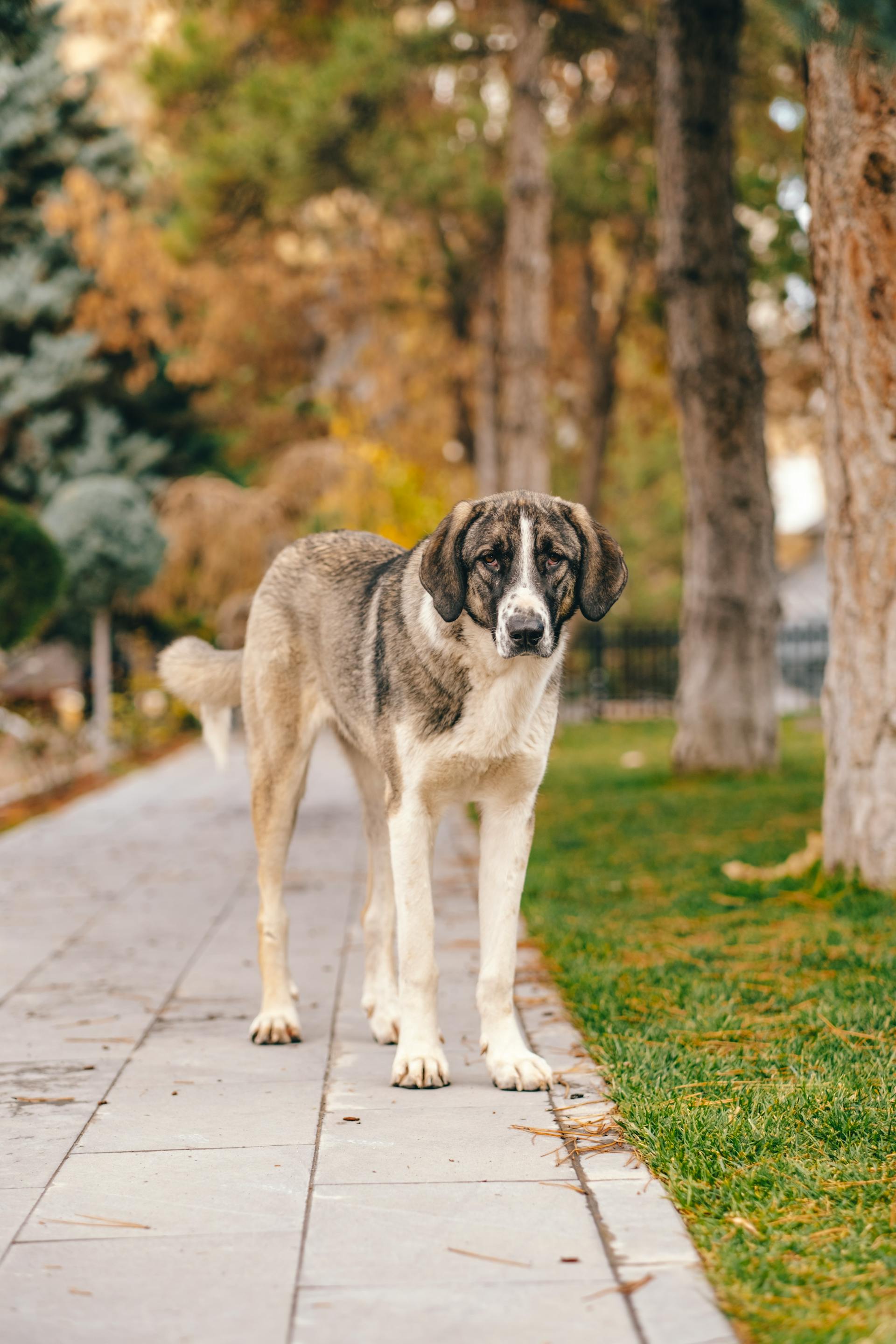
Mastiffs are known for their massive size, muscular build, and distinctive appearance. They have a short, dense coat that can be fawn, apricot, or brindle. Their eyes are usually dark, giving them a kind and dignified expression. The breed’s head is broad and square, with a pronounced stop and a short muzzle.
Despite their size, Mastiffs are surprisingly agile and capable of powerful, ground-covering strides. They may not have the endurance of smaller breeds, but they have the strength and power to move swiftly when necessary. Regular exercise, including walks and moderate play, is essential to keep them healthy and fit.
Mastiffs are gentle and calm, often described as “gentle giants.” They are protective of their families and can be wary of strangers, making them excellent guard dogs. Mastiffs are loyal, affectionate, and good with children when properly socialized. They are known for their patient and tolerant nature.
Due to their size, Mastiffs require ample space to move around. They are not well-suited for apartment living and do best in a home with a large yard. Regular exercise is important to keep them healthy, but their exercise needs are moderate compared to other breeds. Daily walks and some playtime are usually sufficient. Mastiffs also need regular grooming to maintain their short coat and prevent skin issues.
Major concerns: hip dysplasia, gastric torsion (bloat)
Minor concerns: elbow dysplasia, heart conditions
Occasionally seen: progressive retinal atrophy (PRA)
Suggested tests: hip, elbow, heart, eye
Life span: 6–10 years
The Mastiff’s history as a guardian and protector has contributed to its reputation as a loyal and dependable companion. Originally used by ancient civilizations and later by English nobility for estate protection, the breed’s adaptability has allowed it to excel in various roles, including therapy and search and rescue. Today, the Mastiff continues to be valued for its intelligence, loyalty, and protective nature, making it a beloved choice for those who appreciate its gentle giant qualities.