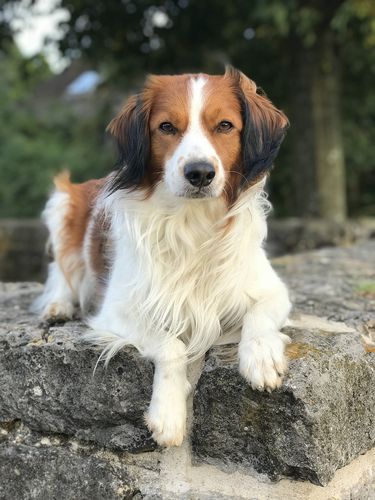
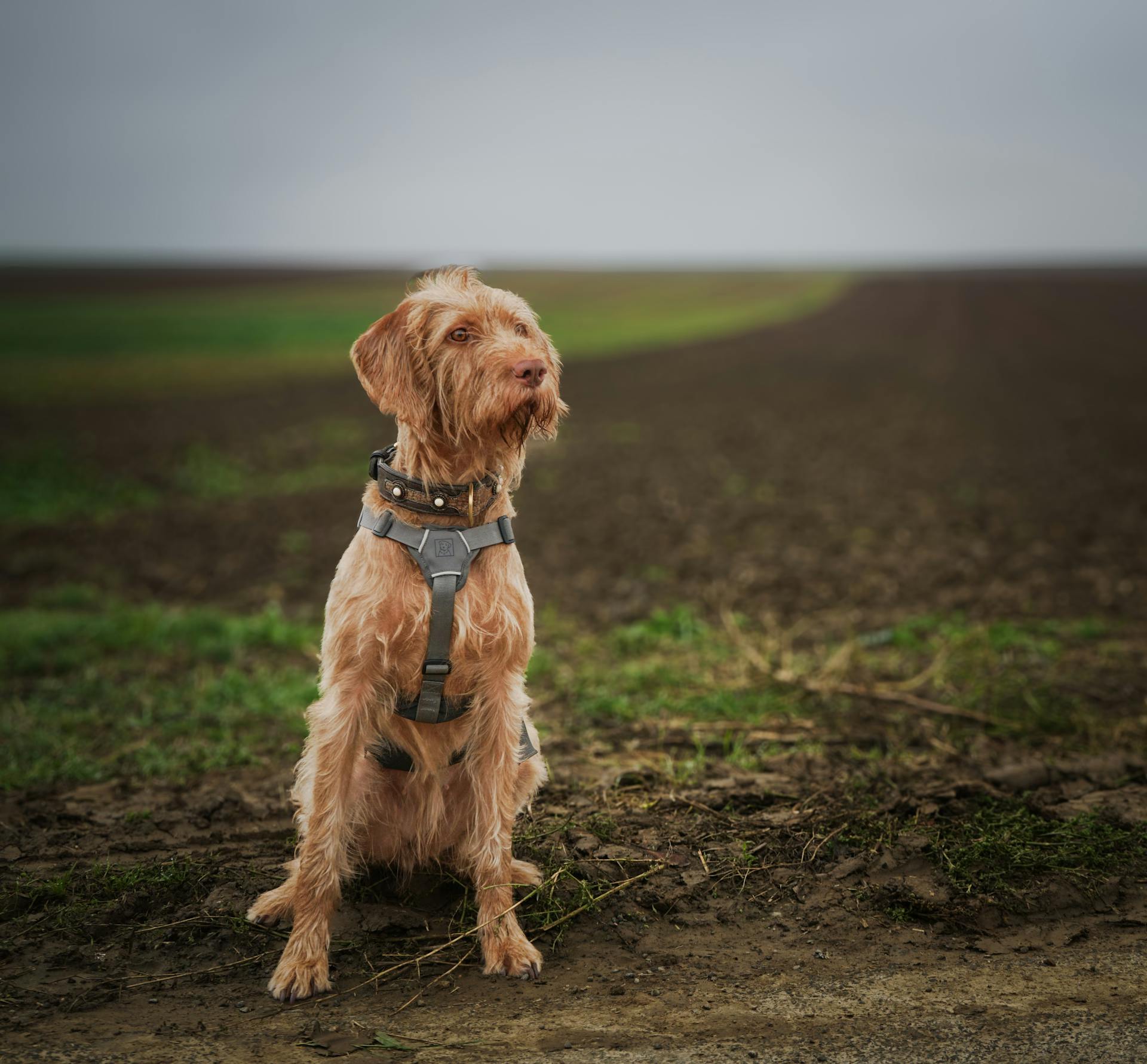
The Nova Scotia Duck Tolling Retriever, often simply called the “Toller,” originated in Nova Scotia, Canada, in the early 19th century. Bred for its unique ability to lure and retrieve waterfowl, this breed’s playful antics along the shoreline attract curious ducks into gun range. Tollers were developed to be versatile hunting dogs with a strong retrieving instinct, exceptional intelligence, and boundless energy. Their distinctive red coat and white markings make them easily recognizable.
Energy Level
Natural energy and enthusiasm throughout the day.
Exercise Needs
Amount of physical activity required to stay healthy.
Playfulness
Willingness to play and engage in games.
Affection Level
Tendency to show affection toward humans.
Dog Friendliness
Friendliness and tolerance toward other dogs.
Pet Friendliness
How well this pet gets along with other animals.
Stranger Friendliness
Reaction toward unfamiliar people.
Ease of Training
How easy it is to train and teach commands.
Watchfulness
Alertness and tendency to notice surroundings.
Vocality
Tendency to bark, meow, or make other sounds.
Grooming Requirements
Level of grooming effort needed on a regular basis.
Heat Sensitivity
Sensitivity to hot weather conditions.
Cold Tolerance
Ability to withstand cold temperatures.
Nova Scotia Duck Tolling Retrievers are medium-sized dogs with a compact, muscular build and an alert, eager expression. They have a dense double coat that is water-repellent, keeping them warm in cold water. Their coat color ranges from various shades of red to orange, often with white markings on the chest, feet, and tail tip. Tollers have almond-shaped eyes that are typically amber or brown, and their ears are triangular with rounded tips.
Tollers are highly athletic and energetic dogs with a playful, enthusiastic demeanor. They excel in activities that require agility, endurance, and retrieving skills, such as fetch, frisbee, and swimming. Their strong, agile bodies and high energy levels make them excellent companions for active families who enjoy outdoor adventures and dog sports like agility, obedience trials, and dock diving.
Nova Scotia Duck Tolling Retrievers are known for their friendly, outgoing personalities. They are affectionate and loyal to their families, often forming strong bonds with their owners. Tollers are intelligent and eager to please, making them highly trainable. However, they can also be independent and sometimes exhibit a stubborn streak, requiring consistent and positive training methods. They are excellent with children and can get along well with other pets if properly socialized from an early age.
Tollers require regular exercise to keep them physically fit and mentally stimulated. They thrive on activities like running, fetching, swimming, and interactive play. Their dense double coat needs regular brushing, especially during shedding seasons, to maintain its health and appearance. Regular vet check-ups are essential to monitor for common health issues. Due to their high energy levels, Tollers are best suited to homes with ample space for them to run and play.
Major concerns: hip dysplasia, progressive retinal atrophy (PRA), autoimmune diseases
Minor concerns: hypothyroidism
Occasionally seen: Addison’s disease
Suggested tests: hip, eye, thyroid
Life span: 12–14 years
The Nova Scotia Duck Tolling Retriever’s history as a unique hunting dog has contributed to its reputation as a skilled and dependable companion. Originally used by hunters to lure and retrieve waterfowl, the breed’s adaptability has allowed it to excel in various roles, including search and rescue, therapy work, and competitive dog sports. Today, the Toller continues to be valued for its intelligence, loyalty, and versatility, making it a beloved choice for active dog lovers worldwide.