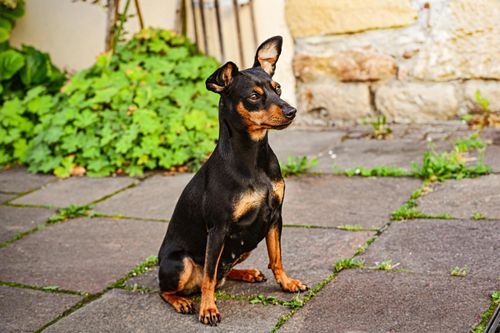
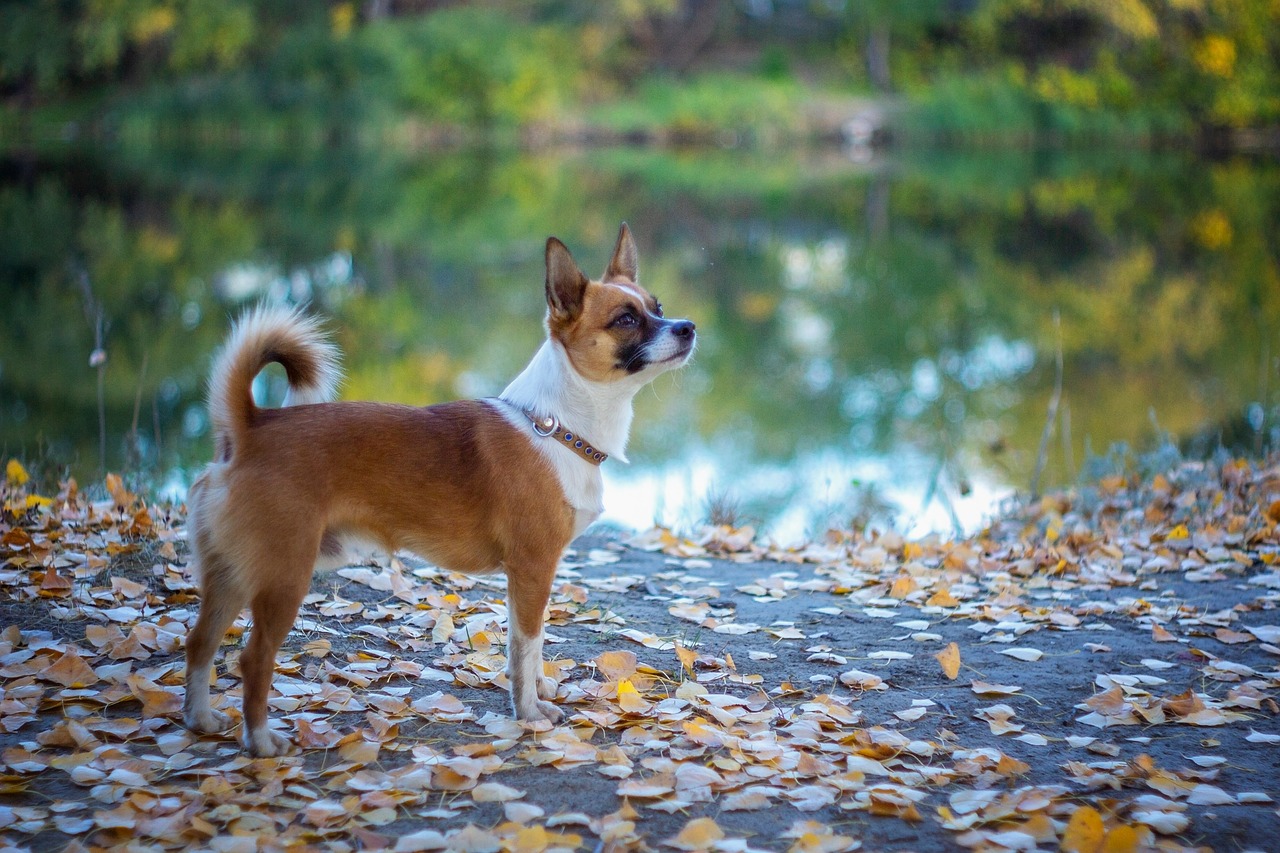
The Papillon, named for its distinctive butterfly-like ears (Papillon means “butterfly” in French), has a rich history dating back several centuries. This breed is believed to have originated in Europe, with its likeness appearing in paintings from the 16th century. Favored by royalty and nobility, the Papillon was often depicted in the laps of European aristocrats. Over time, it has become a beloved companion known for its elegance and spirited personality.
Energy Level
Natural energy and enthusiasm throughout the day.
Exercise Needs
Amount of physical activity required to stay healthy.
Playfulness
Willingness to play and engage in games.
Affection Level
Tendency to show affection toward humans.
Dog Friendliness
Friendliness and tolerance toward other dogs.
Pet Friendliness
How well this pet gets along with other animals.
Stranger Friendliness
Reaction toward unfamiliar people.
Ease of Training
How easy it is to train and teach commands.
Watchfulness
Alertness and tendency to notice surroundings.
Vocality
Tendency to bark, meow, or make other sounds.
Grooming Requirements
Level of grooming effort needed on a regular basis.
Heat Sensitivity
Sensitivity to hot weather conditions.
Cold Tolerance
Ability to withstand cold temperatures.
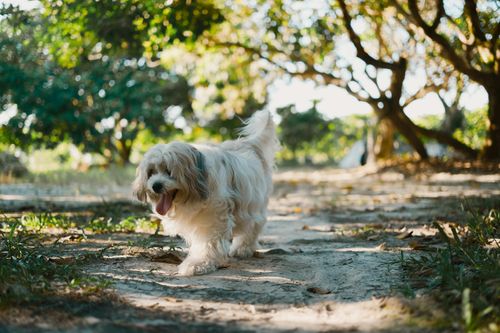
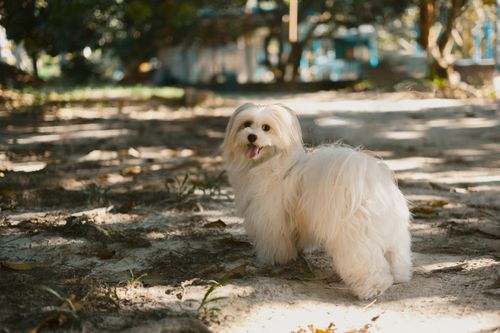
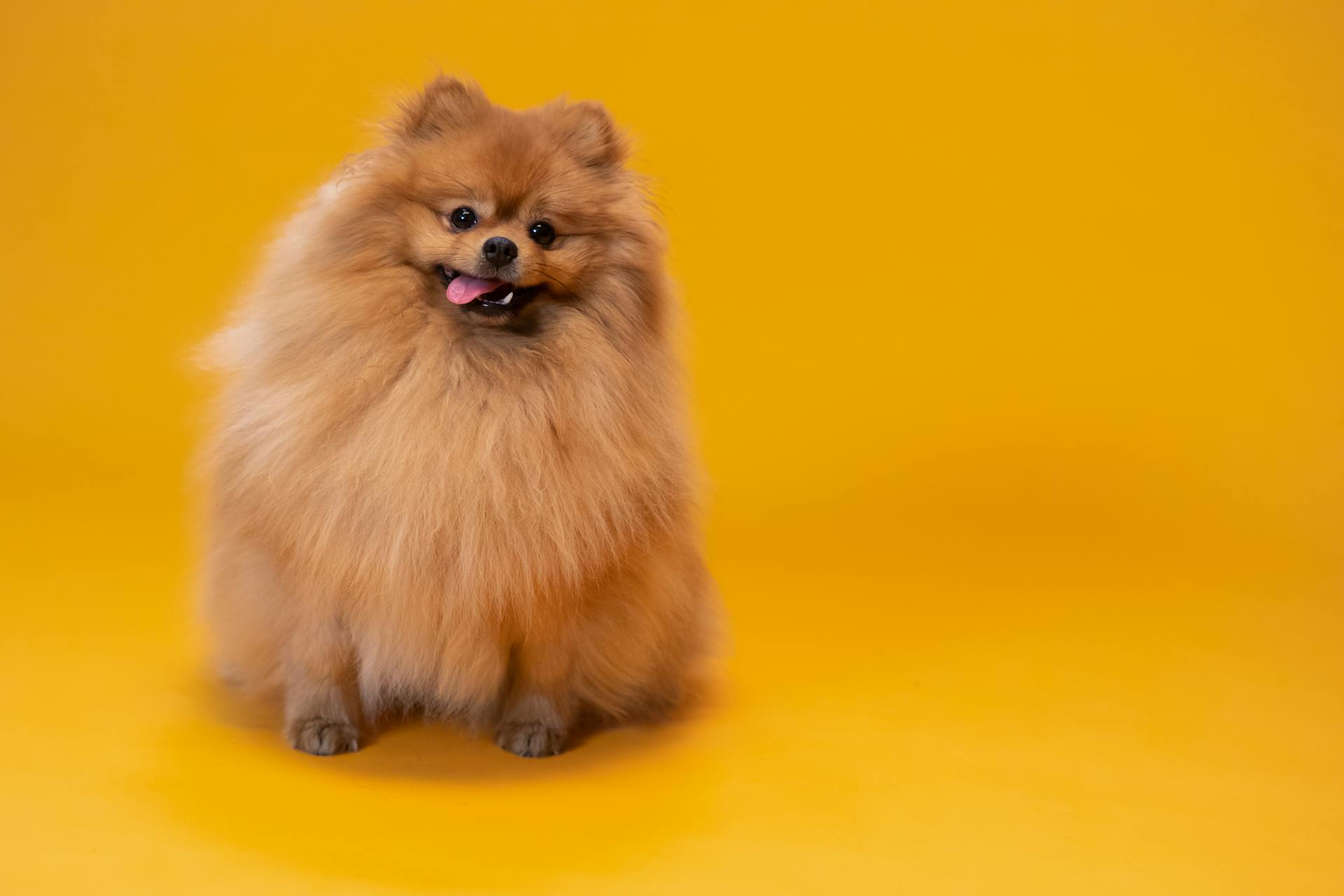
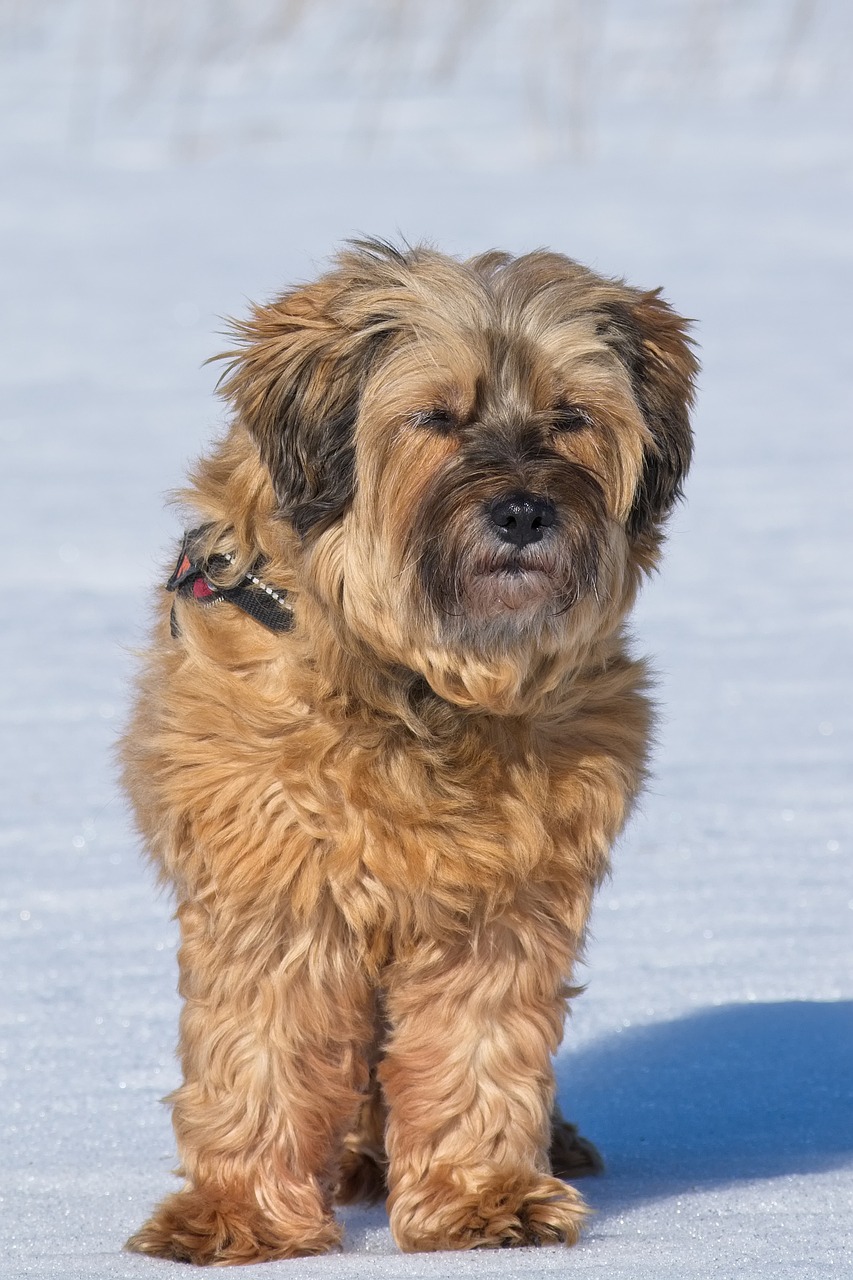
Papillons are small, elegant dogs with a fine-boned structure. They are easily recognized by their large, butterfly-shaped ears, which can be either erect (Papillon) or dropped (Phalène). They have a silky, flowing coat that comes in various color combinations, typically white with patches of black, brown, or red. Their eyes are dark and expressive, reflecting their bright and curious nature.
Despite their small size, Papillons are remarkably agile and athletic. They excel in dog sports such as agility, obedience, and rally. Their quick, graceful movements and high energy levels make them excellent competitors and lively playmates. Regular exercise is essential to keep them fit and mentally stimulated.
Papillons are known for their intelligence, alertness, and friendly disposition. They are highly trainable and eager to please, making them great companions for active individuals and families. Their affectionate nature means they form strong bonds with their owners and thrive on human interaction. They are also good with children and other pets, provided they are socialized early.
Papillons require regular grooming to maintain their beautiful coat. This includes brushing several times a week to prevent tangles and matting. Regular dental care is also important, as small breeds are prone to dental issues. They need daily exercise and mental stimulation to keep them happy and healthy. Regular veterinary check-ups are essential to monitor their overall health and well-being.
Major concerns: patellar luxation, progressive retinal atrophy (PRA)
Minor concerns: dental issues, allergies
Occasionally seen: heart problems, epilepsy
Suggested tests: knee, eye, heart
Life span: 12–16 years
The Papillon’s long history as a companion to European nobility has established it as a breed of elegance and charm. Over the centuries, it has transitioned from the courts of royalty to the homes of dog lovers worldwide. Its versatility, intelligence, and affectionate nature have made it a popular choice for families and individuals seeking a small, lively, and loving companion. The Papillon continues to be celebrated for its beauty, agility, and delightful personality.