The Rottweiler is an ancient breed that dates back to the Roman Empire. Originally used as herding dogs, they accompanied Roman legions, driving cattle and protecting the soldiers. The breed was further developed in the town of Rottweil, Germany, where they became known as “Rottweiler Metzgerhund” or Rottweil butchers’ dogs, for their role in herding livestock and pulling carts laden with butchered meat to market.
Energy Level
Natural energy and enthusiasm throughout the day.
Exercise Needs
Amount of physical activity required to stay healthy.
Playfulness
Willingness to play and engage in games.
Affection Level
Tendency to show affection toward humans.
Dog Friendliness
Friendliness and tolerance toward other dogs.
Pet Friendliness
How well this pet gets along with other animals.
Stranger Friendliness
Reaction toward unfamiliar people.
Ease of Training
How easy it is to train and teach commands.
Watchfulness
Alertness and tendency to notice surroundings.
Vocality
Tendency to bark, meow, or make other sounds.
Grooming Requirements
Level of grooming effort needed on a regular basis.
Heat Sensitivity
Sensitivity to hot weather conditions.
Cold Tolerance
Ability to withstand cold temperatures.
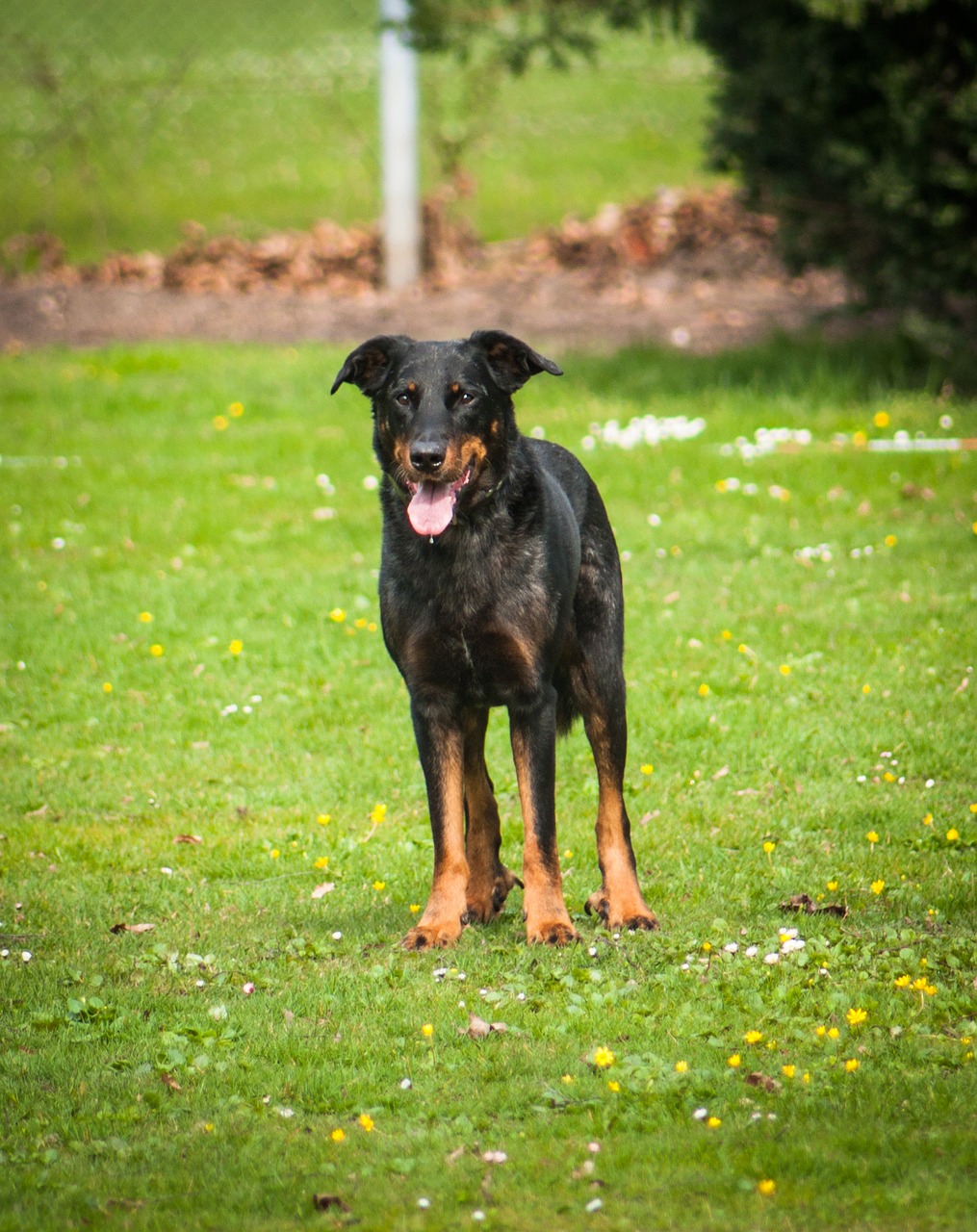
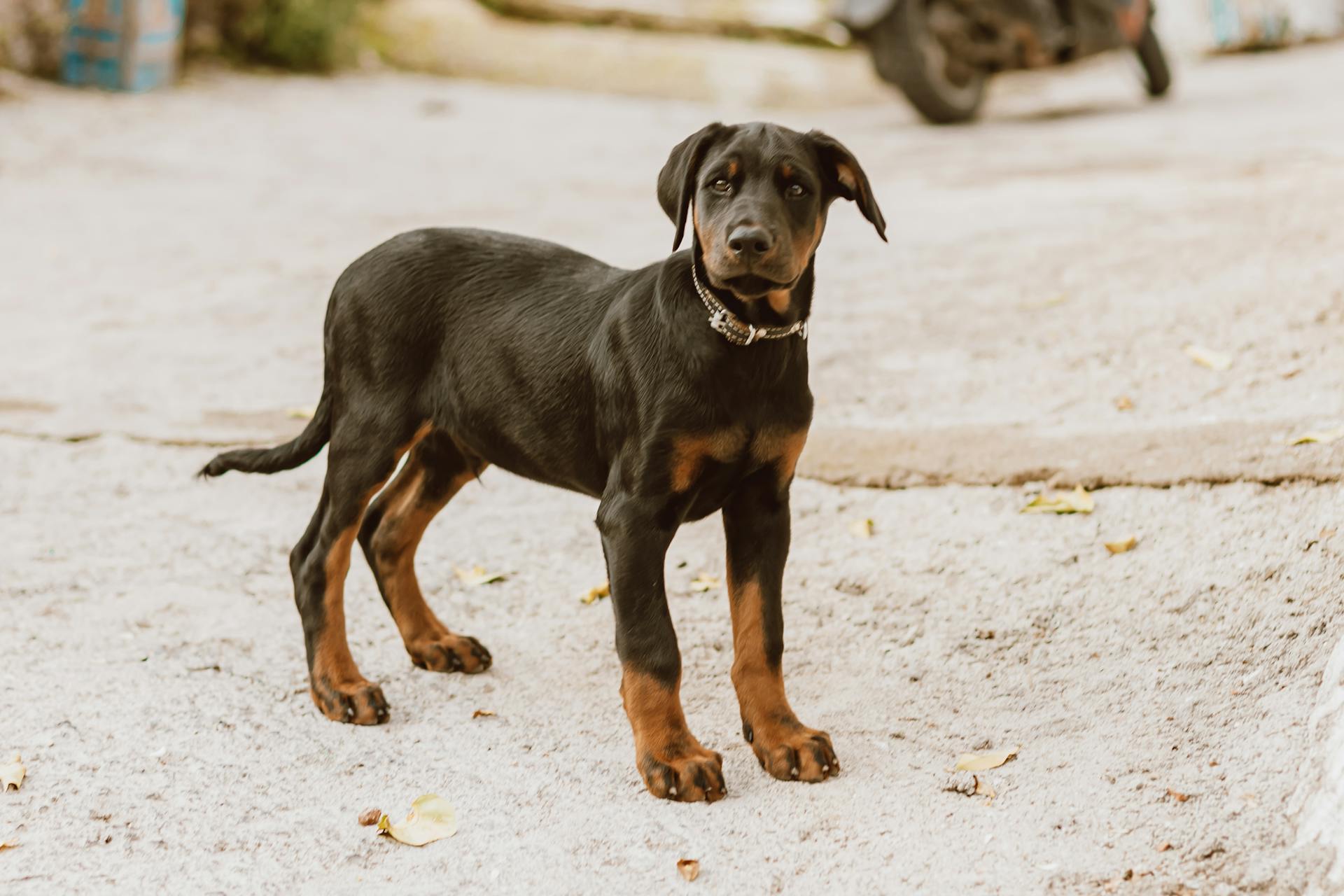
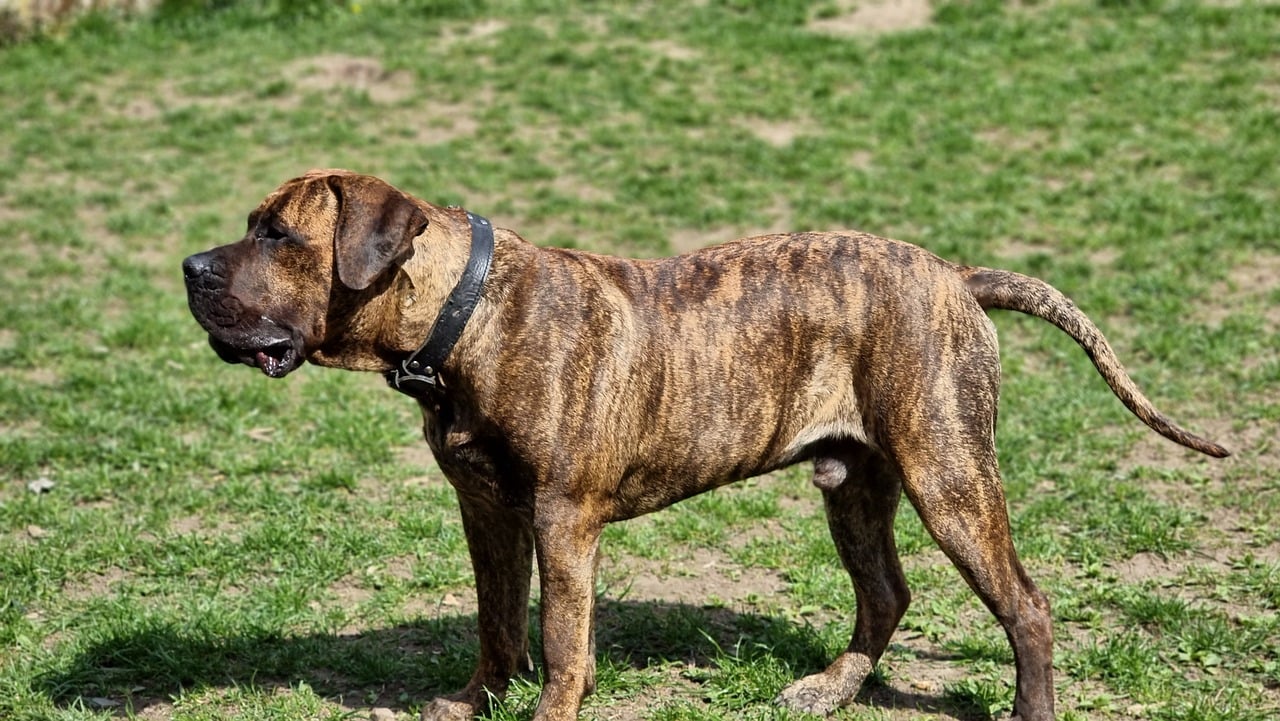
Rottweilers are known for their powerful and muscular build. They have a short, dense coat that is typically black with clearly defined rust markings. Their head is broad with a moderately arched forehead, and their eyes are dark, conveying an alert and confident expression. Rottweilers have a strong neck, deep chest, and a straight, firm back, reflecting their strength and endurance.
Rottweilers are highly athletic and require regular exercise to maintain their physical and mental health. They have a steady, confident gait and excel in activities such as obedience, tracking, and herding. Their strength and stamina make them excellent working dogs, capable of performing a variety of tasks.
Rottweilers are known for their loyal and protective nature. They are intelligent and confident, often showing a calm and composed demeanor. With proper training and socialization, they can be gentle and affectionate companions. Their natural guarding instincts make them excellent watchdogs, but they require a firm and experienced owner to provide consistent training and leadership.
Rottweilers have a short coat that requires minimal grooming. Regular brushing helps to remove loose hair and keep their coat healthy. They need regular exercise to stay fit and prevent boredom, which can lead to destructive behavior. Routine veterinary check-ups are important to monitor for common health issues such as hip dysplasia and heart conditions.
Major concerns: hip dysplasia, elbow dysplasia, cardiac issues
Minor concerns: hypothyroidism, allergies
Occasionally seen: osteosarcoma
Suggested tests: hip, elbow, heart
Life span: 9–10 years
The Rottweiler’s history as a versatile working dog has established it as one of the most respected and beloved breeds worldwide. Its strength, intelligence, and loyalty have made it a popular choice for roles in police work, search and rescue, and as a family guardian. The breed’s enduring legacy as a devoted and capable companion continues to be celebrated by dog enthusiasts everywhere.