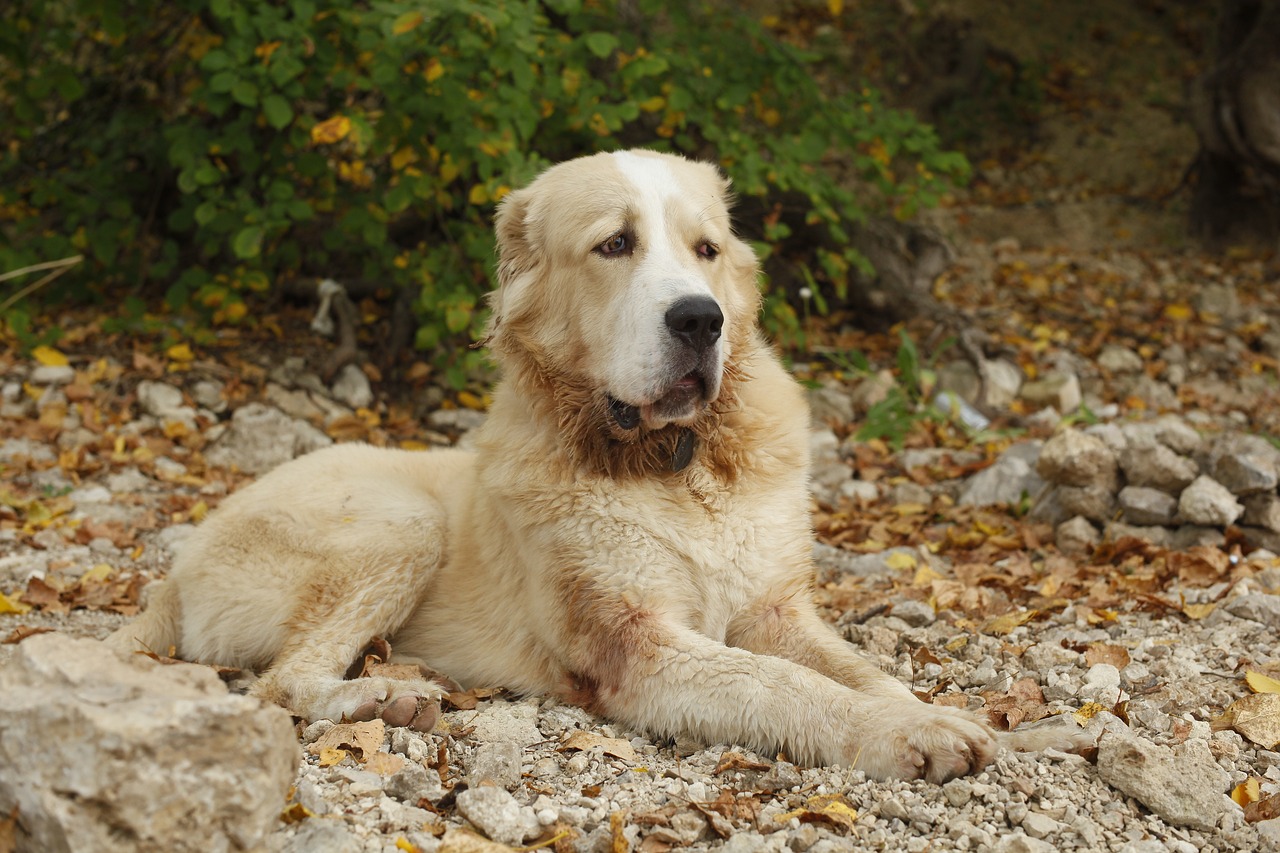
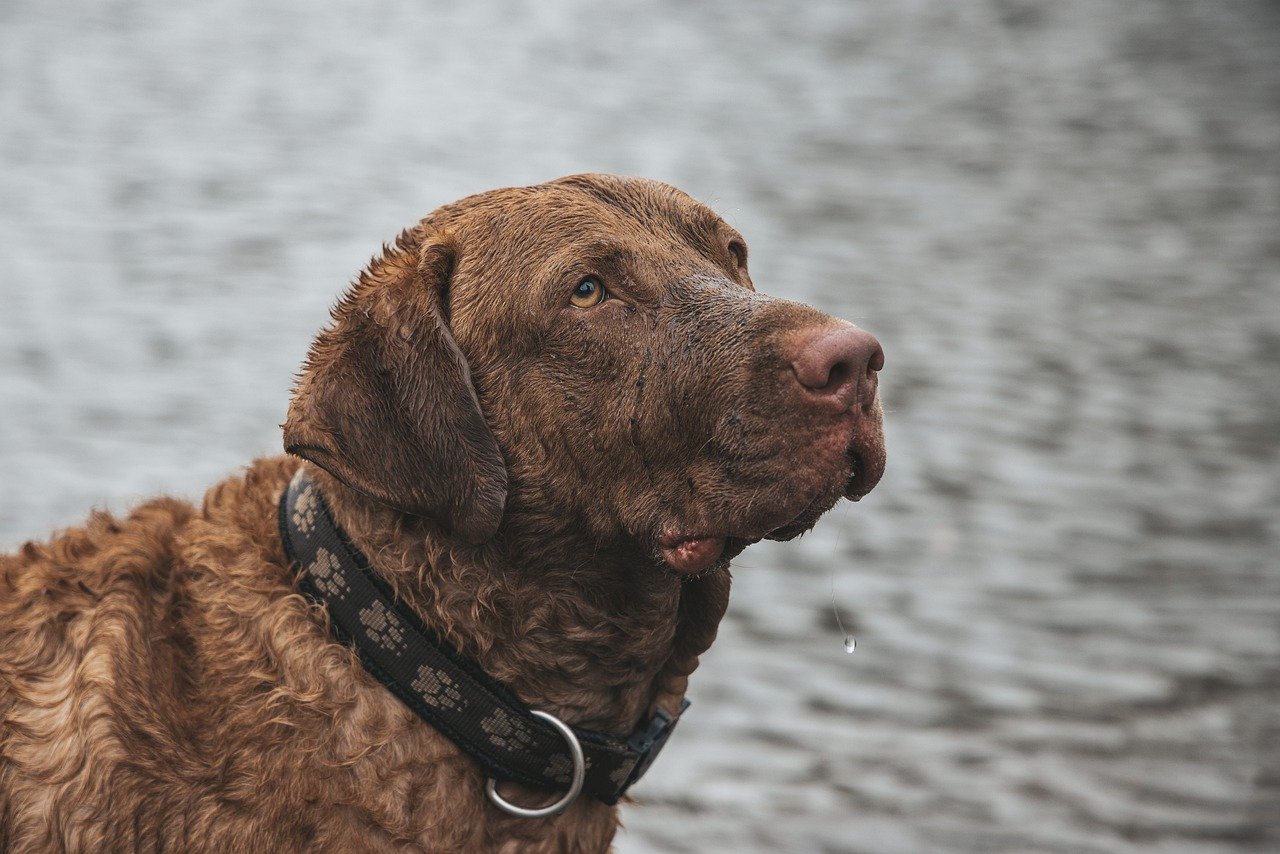
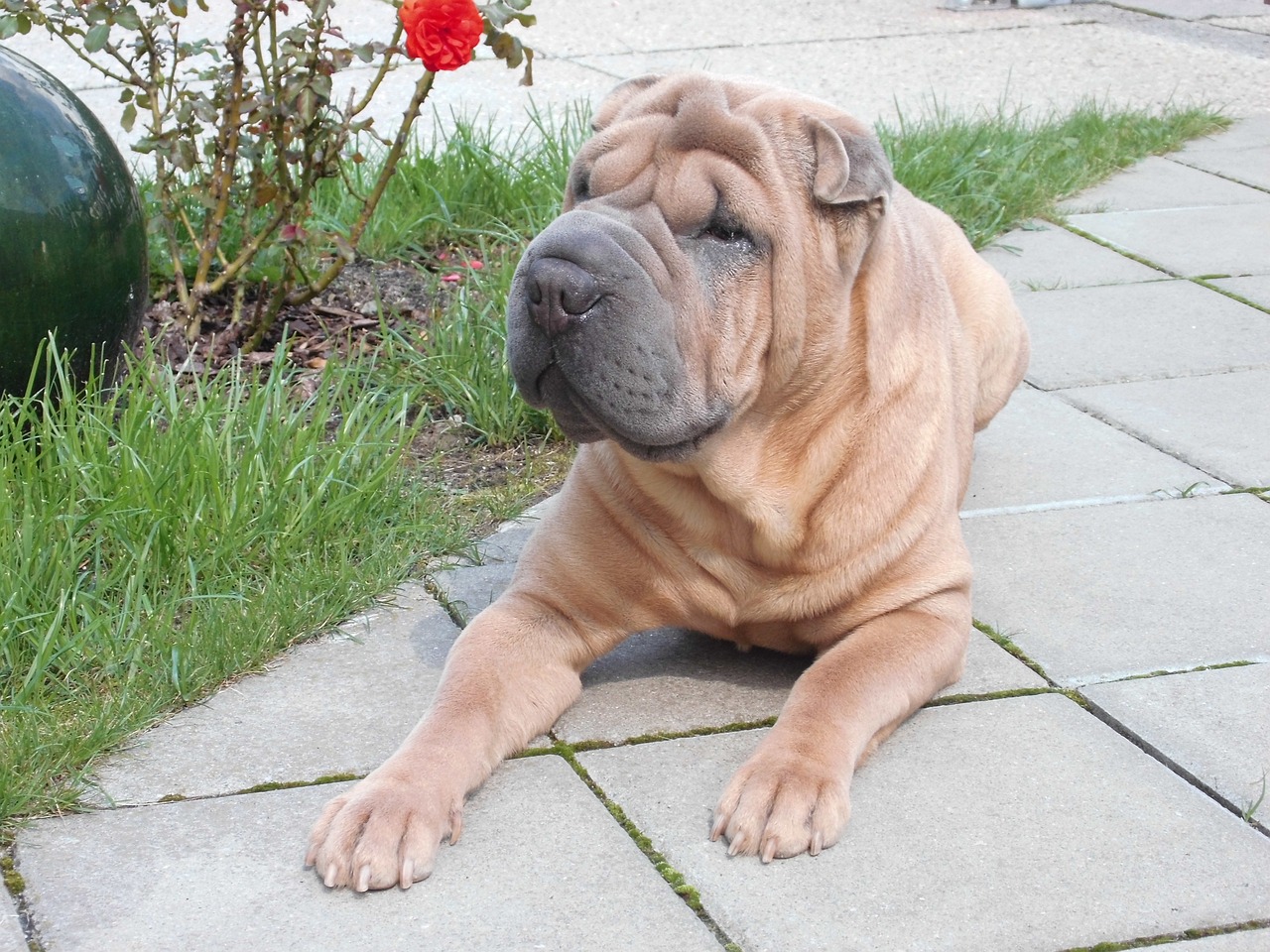
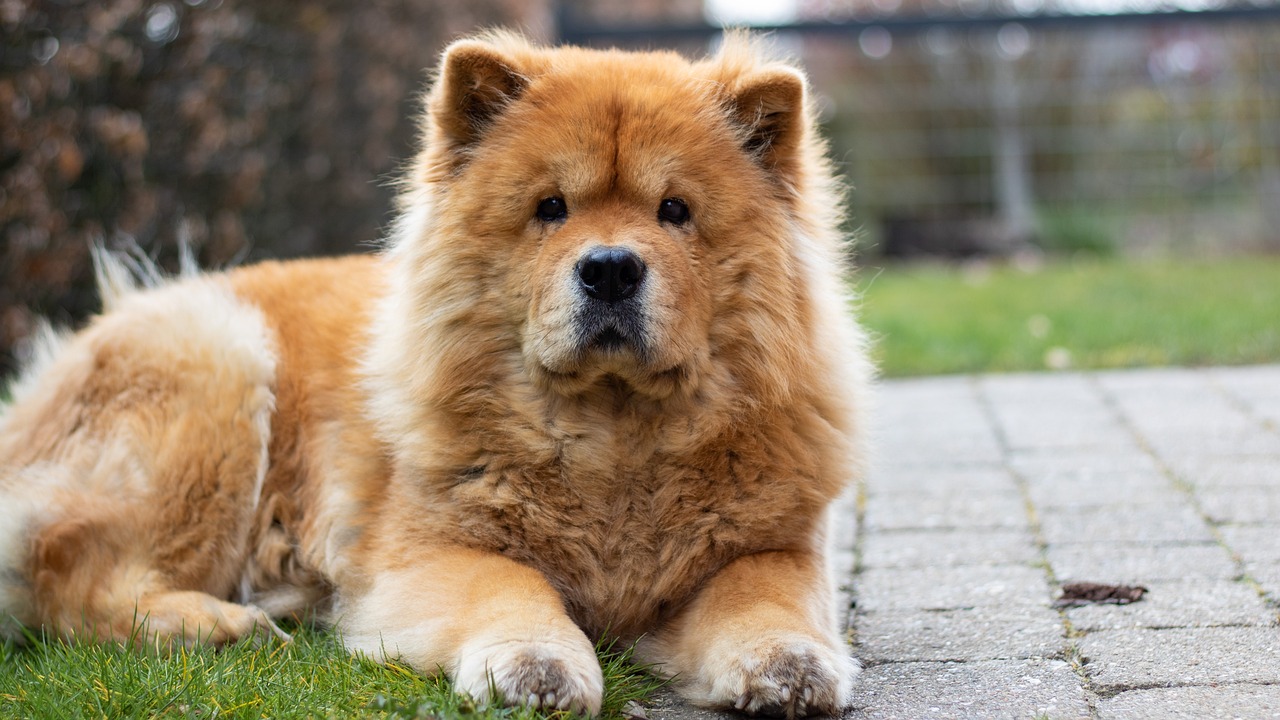
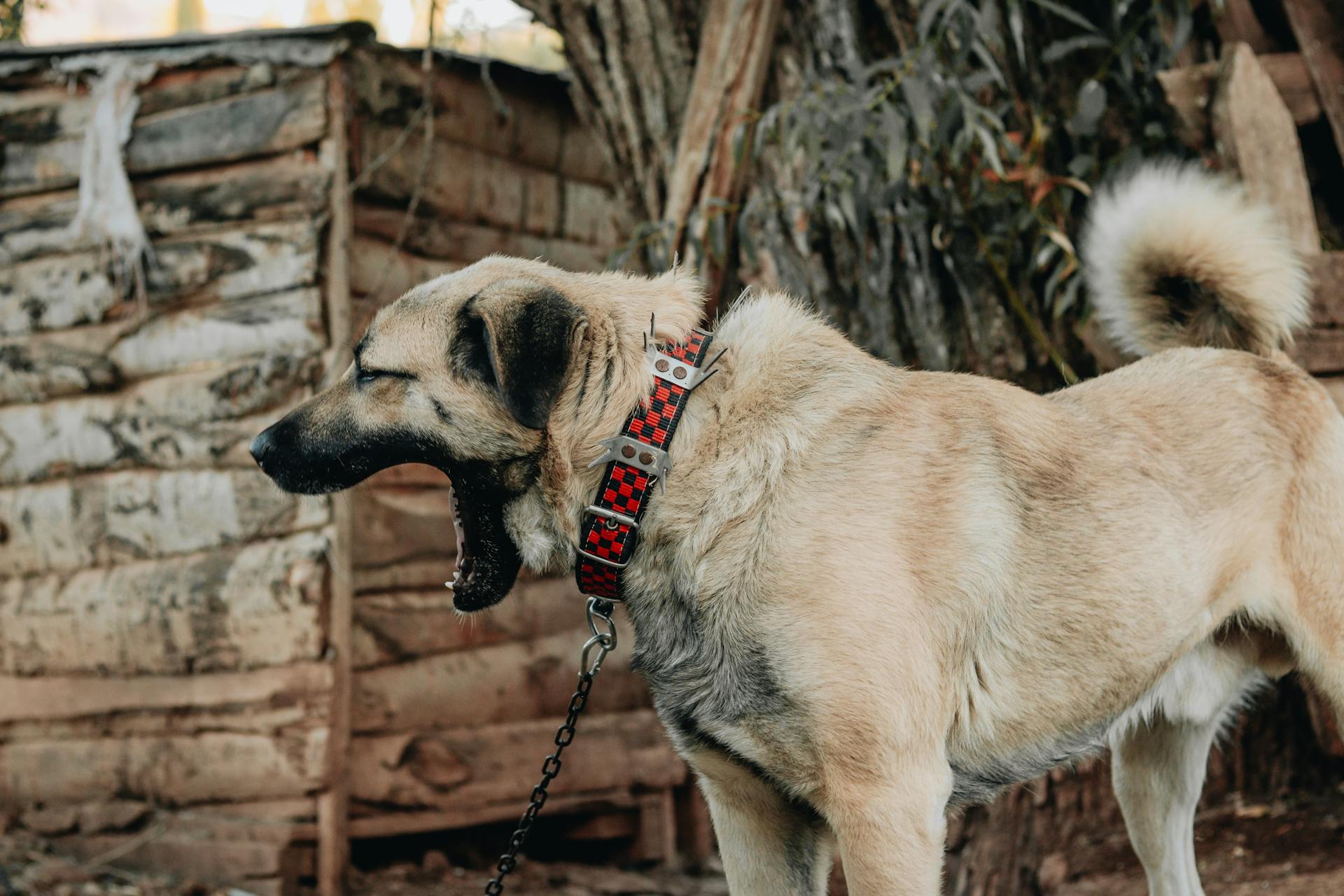
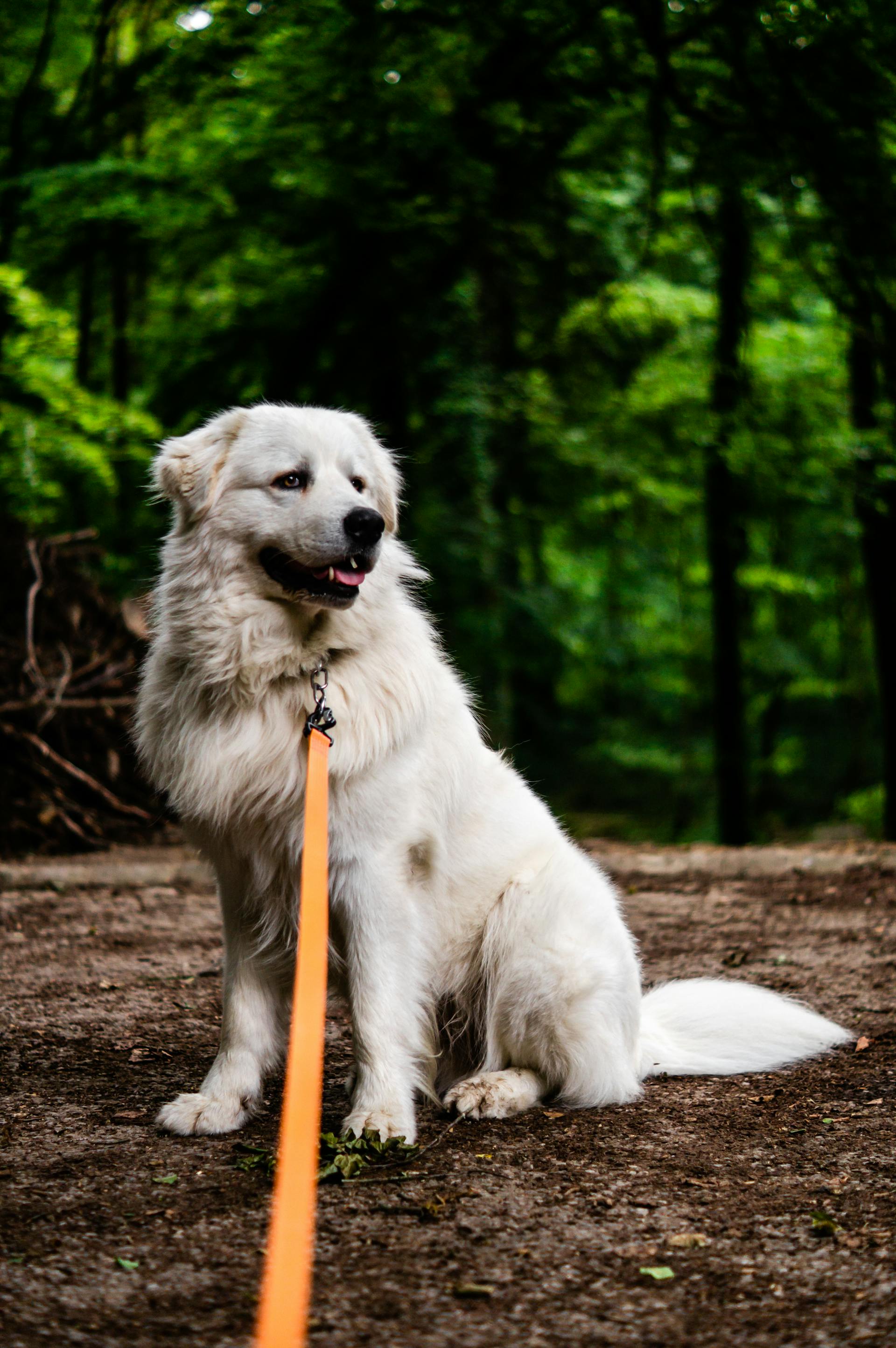
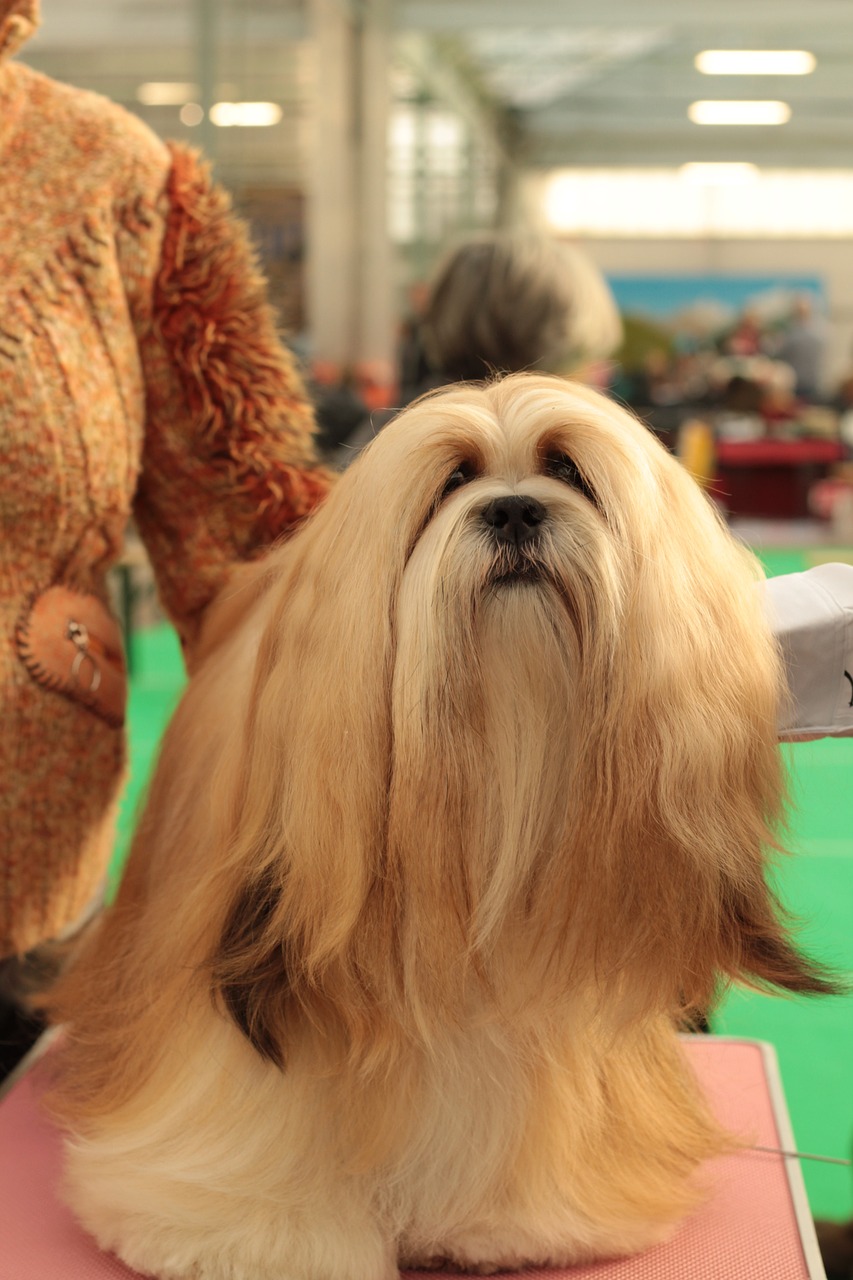
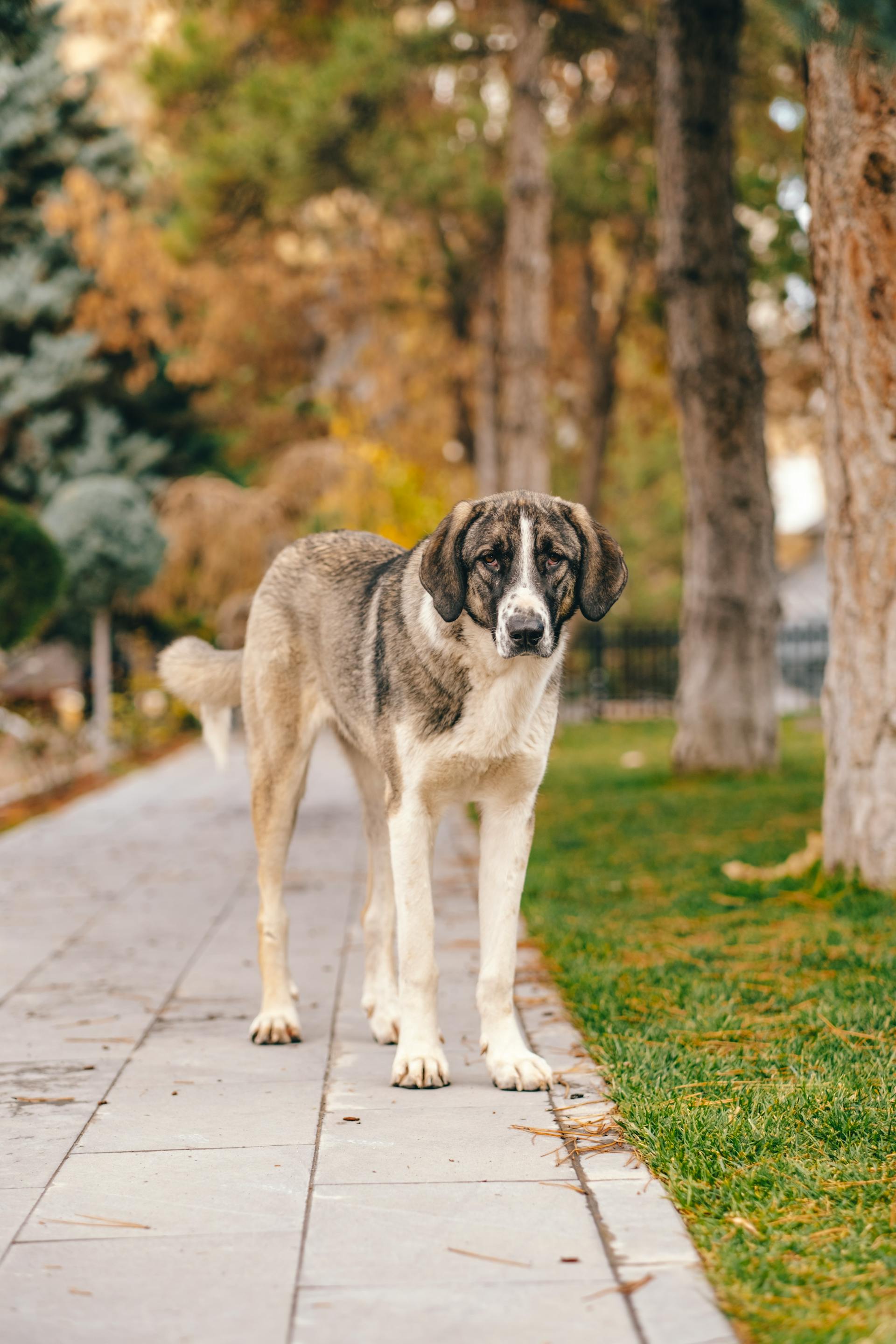
The Tibetan Mastiff is an ancient breed originating from the Himalayas, where it was traditionally used as a guardian for livestock and property. This breed’s roots can be traced back thousands of years, and it has been an integral part of the nomadic cultures of Tibet, Nepal, and India. Tibetan Mastiffs are known for their endurance, independence, and protective instincts.
Energy Level
Natural energy and enthusiasm throughout the day.
Exercise Needs
Amount of physical activity required to stay healthy.
Playfulness
Willingness to play and engage in games.
Affection Level
Tendency to show affection toward humans.
Dog Friendliness
Friendliness and tolerance toward other dogs.
Pet Friendliness
How well this pet gets along with other animals.
Stranger Friendliness
Reaction toward unfamiliar people.
Ease of Training
How easy it is to train and teach commands.
Watchfulness
Alertness and tendency to notice surroundings.
Vocality
Tendency to bark, meow, or make other sounds.
Grooming Requirements
Level of grooming effort needed on a regular basis.
Heat Sensitivity
Sensitivity to hot weather conditions.
Cold Tolerance
Ability to withstand cold temperatures.
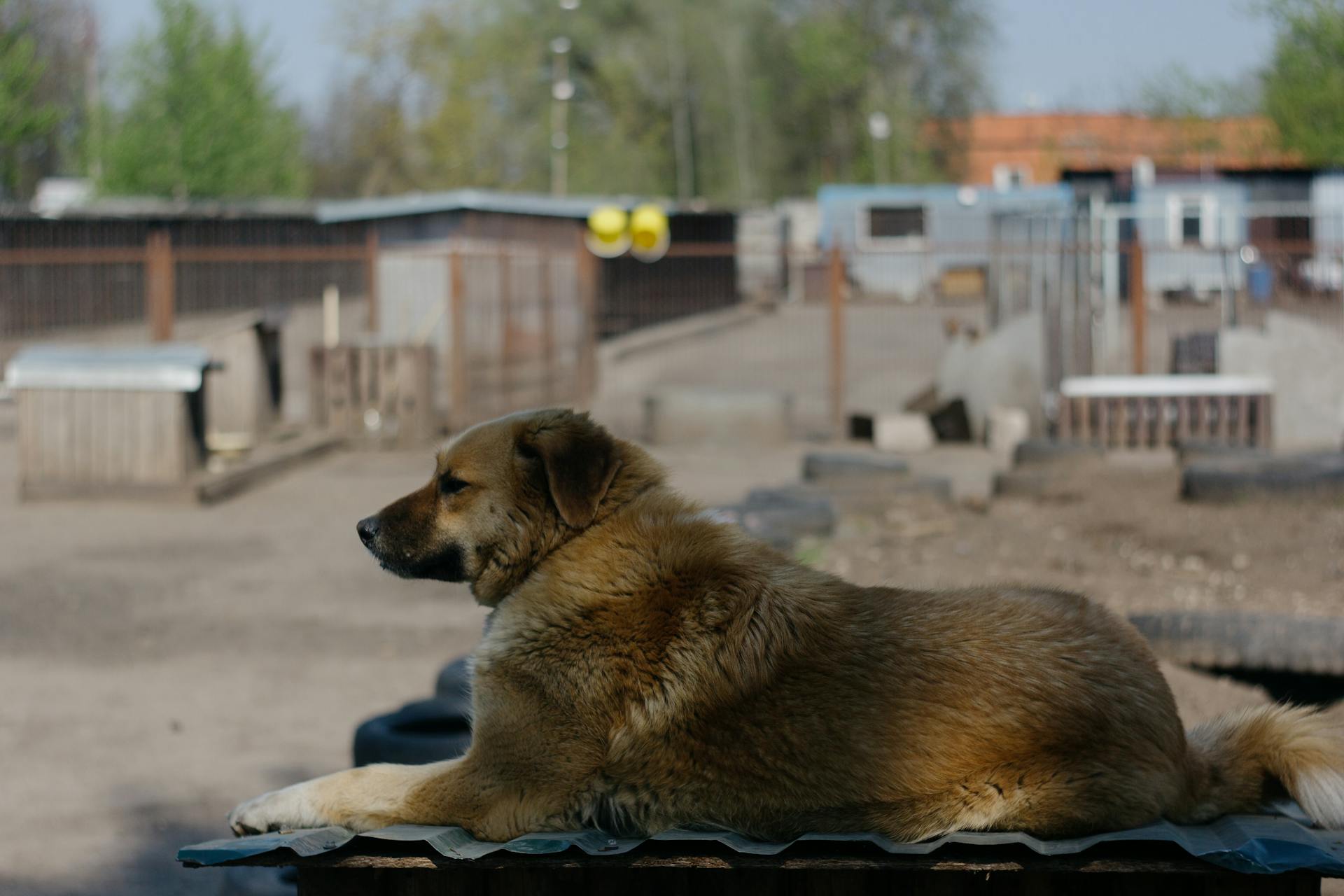
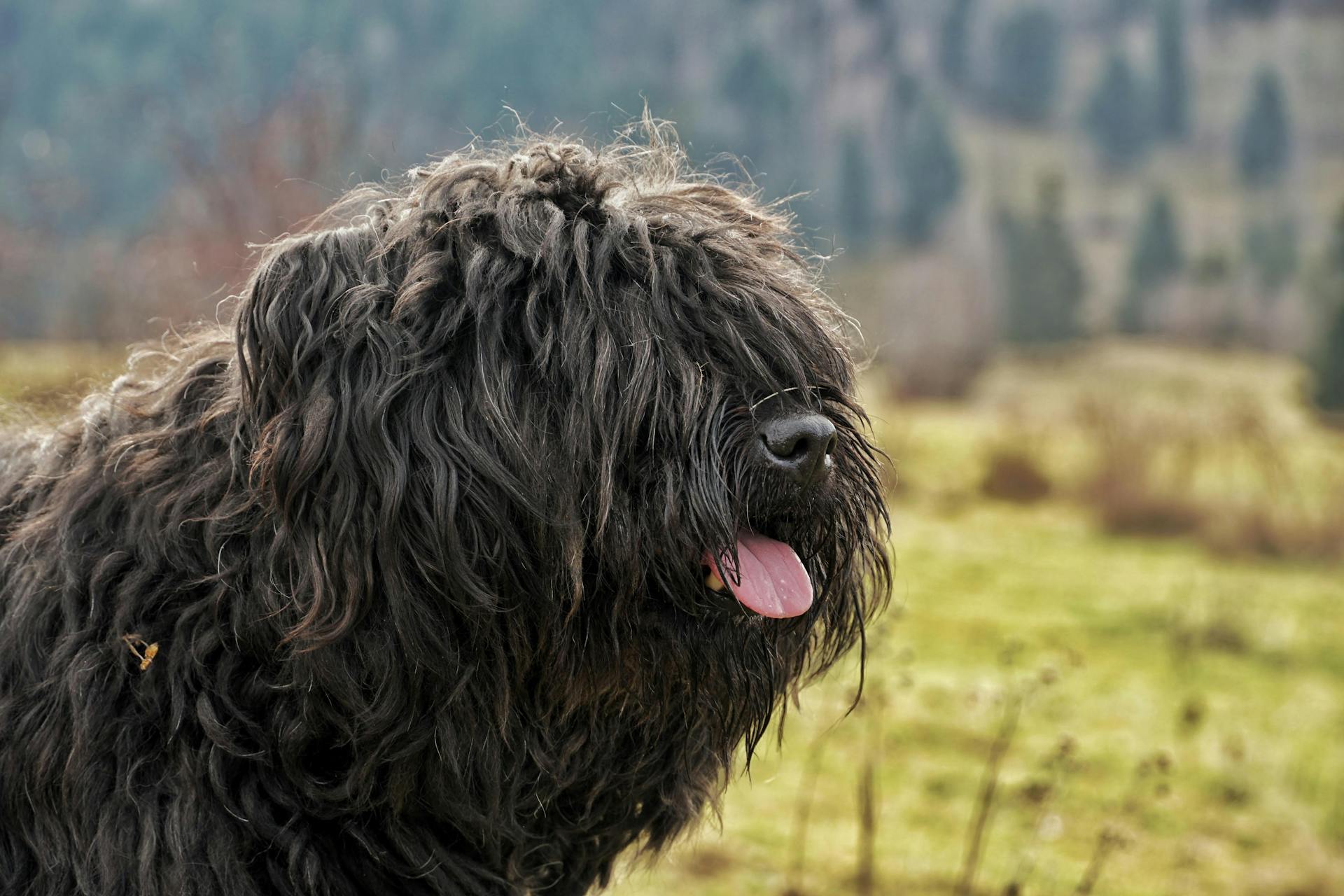
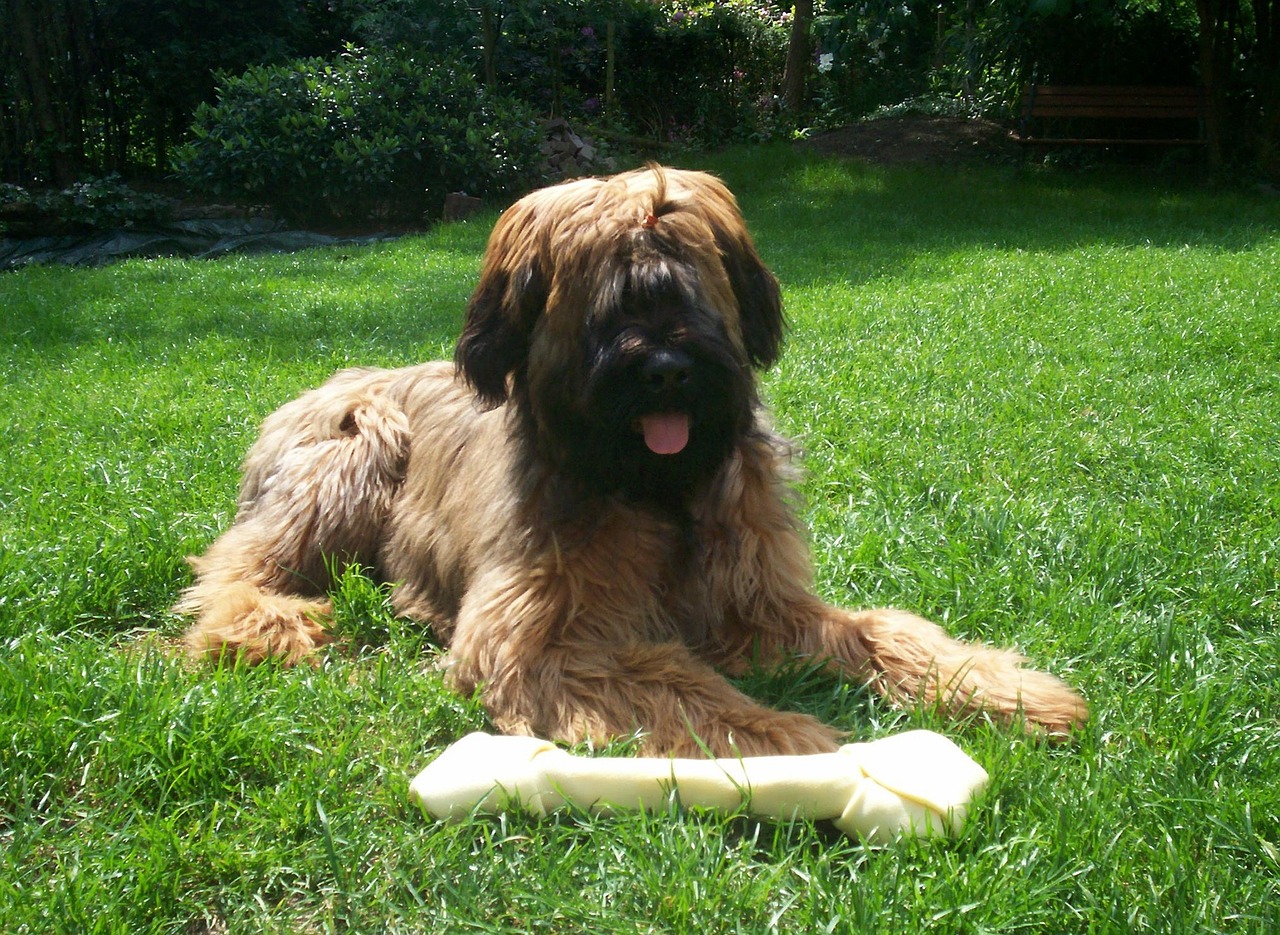
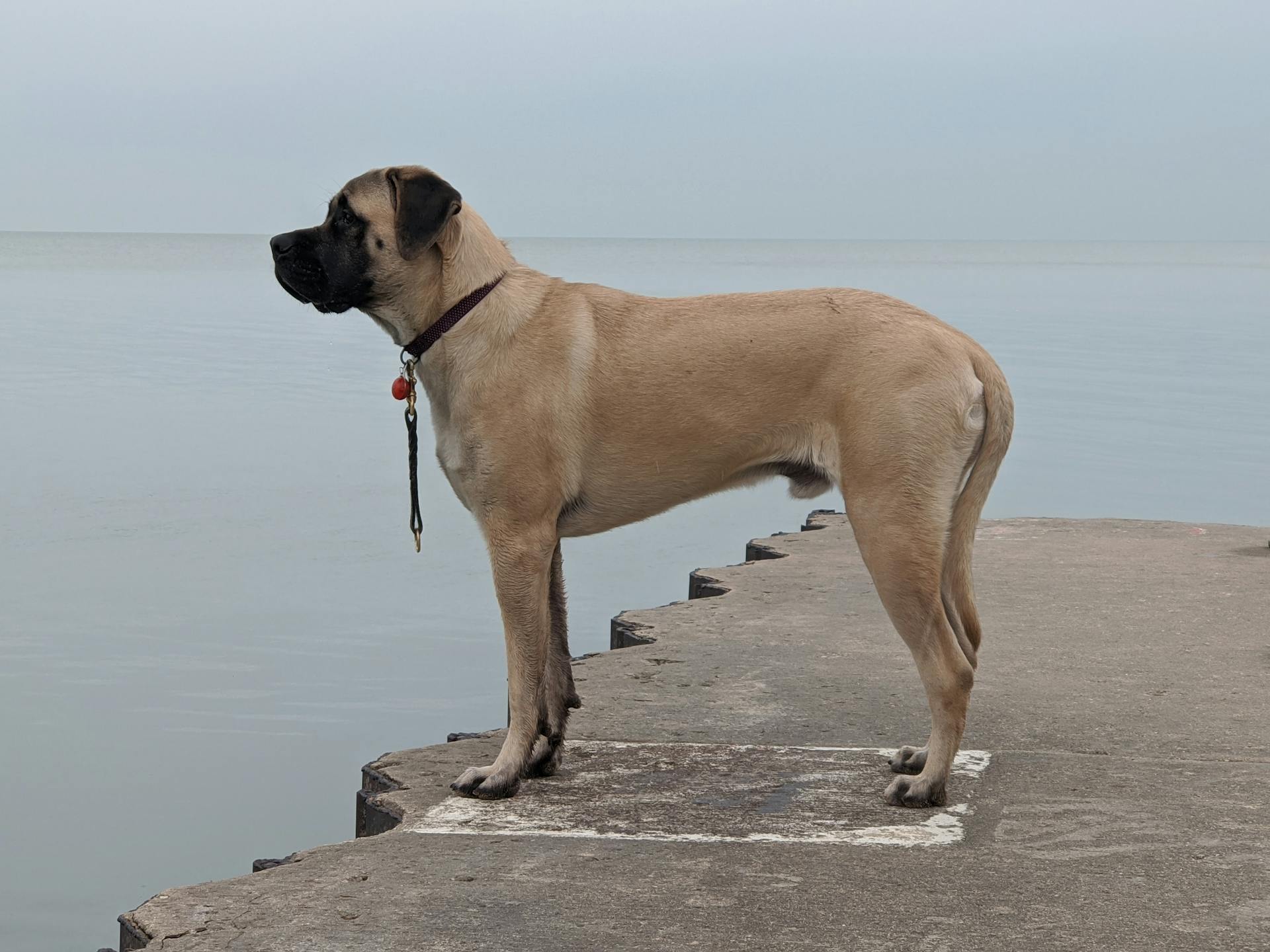
Tibetan Mastiffs are large, powerful dogs with a heavy double coat that provides protection in harsh weather conditions. Their coat colors can vary widely, including black, brown, blue-gray, and gold, often with tan markings. They have a broad head, strong jaw, and a muscular build, giving them a dignified and imposing appearance.
Despite their size, Tibetan Mastiffs are agile and capable of great endurance. They have a steady, powerful gait and can cover long distances with ease. Regular exercise is important to keep them physically and mentally healthy.
Tibetan Mastiffs are known for their protective and independent nature. They are intelligent and strong-willed, requiring consistent and experienced training. Their loyalty to their family is unmatched, and they can be wary of strangers, making them excellent guardians. Early socialization is crucial to ensure they are well-adjusted and balanced.
Tibetan Mastiffs require regular grooming due to their thick double coat, especially during shedding seasons. Weekly brushing helps to manage their fur and keep it healthy. They also need regular exercise to stay fit and mentally stimulated. Being a large breed, they are prone to certain health issues, so regular veterinary check-ups are important.
Major concerns: hip dysplasia, elbow dysplasia
Minor concerns: hypothyroidism, entropion
Occasionally seen: skin conditions
Suggested tests: hip, elbow, thyroid
Life span: 10–14 years
The Tibetan Mastiff’s rich history as a guardian of livestock and property in the Himalayas has made it a revered breed. Its role in protecting nomadic tribes and monasteries highlights its strength, loyalty, and intelligence. Today, the Tibetan Mastiff continues to be valued for its guarding abilities and majestic presence, making it a cherished breed among dog enthusiasts worldwide.