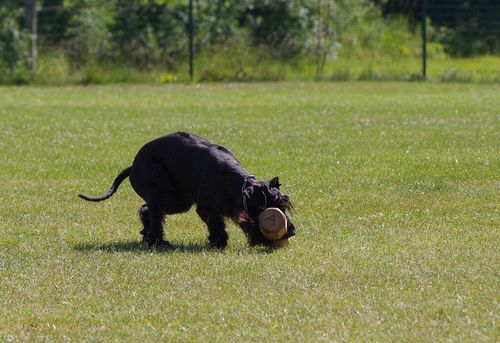
The Bouvier des Flandres originated in the Flanders region of Belgium, where it was developed as an all-purpose farm working dog. Historically, it was used for herding cattle, pulling carts, and guarding property. During World War I and II, the breed also served as a messenger and ambulance dog, further proving its intelligence and resilience.
Energy Level
Natural energy and enthusiasm throughout the day.
Exercise Needs
Amount of physical activity required to stay healthy.
Playfulness
Willingness to play and engage in games.
Affection Level
Tendency to show affection toward humans.
Dog Friendliness
Friendliness and tolerance toward other dogs.
Pet Friendliness
How well this pet gets along with other animals.
Stranger Friendliness
Reaction toward unfamiliar people.
Ease of Training
How easy it is to train and teach commands.
Watchfulness
Alertness and tendency to notice surroundings.
Vocality
Tendency to bark, meow, or make other sounds.
Grooming Requirements
Level of grooming effort needed on a regular basis.
Heat Sensitivity
Sensitivity to hot weather conditions.
Cold Tolerance
Ability to withstand cold temperatures.
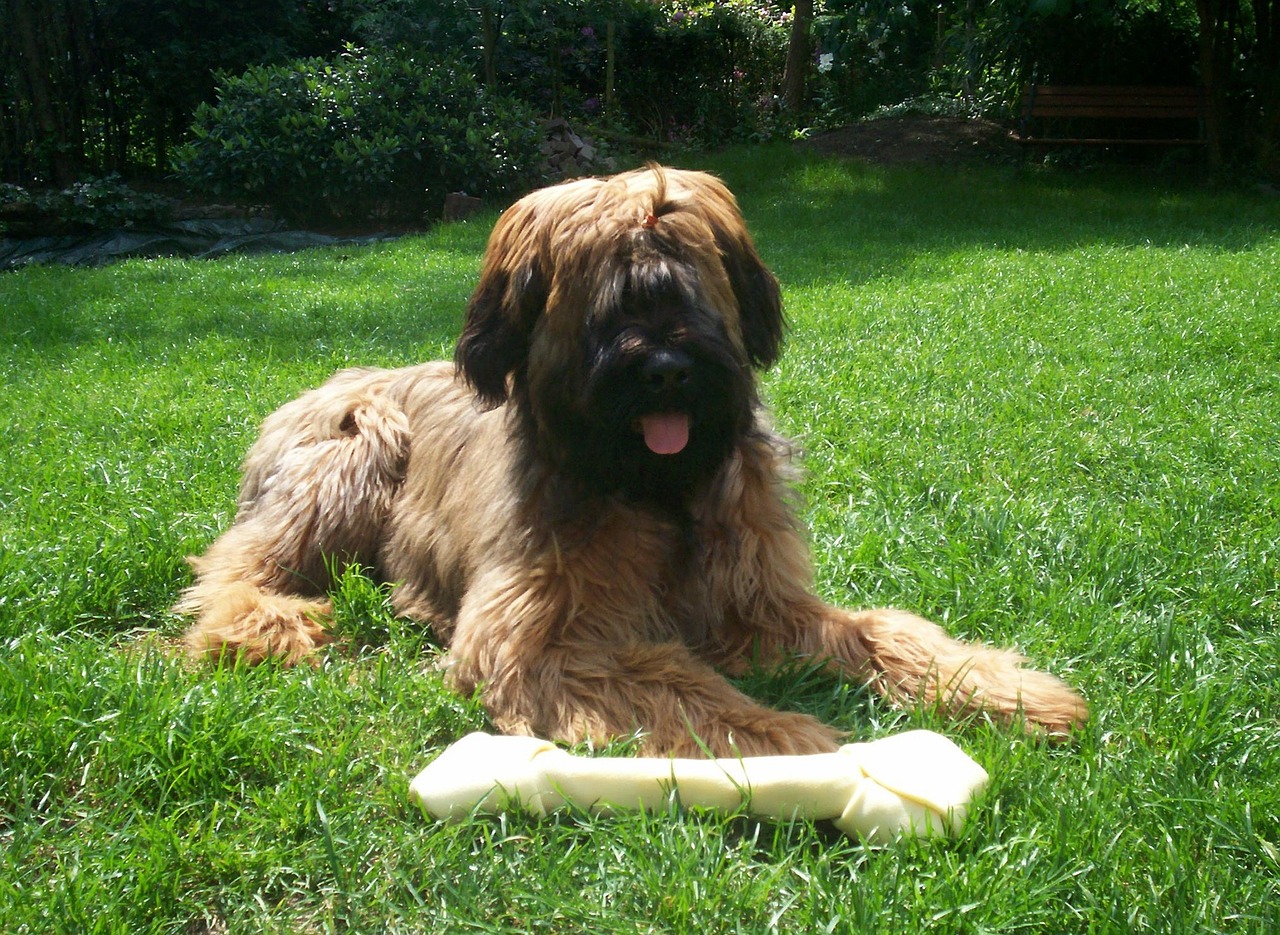
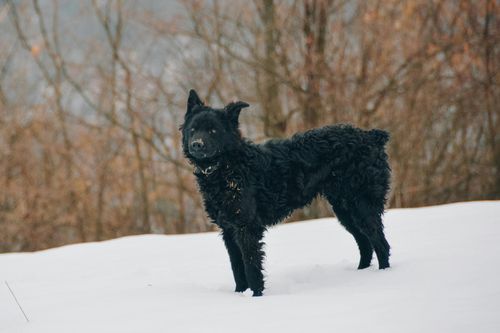
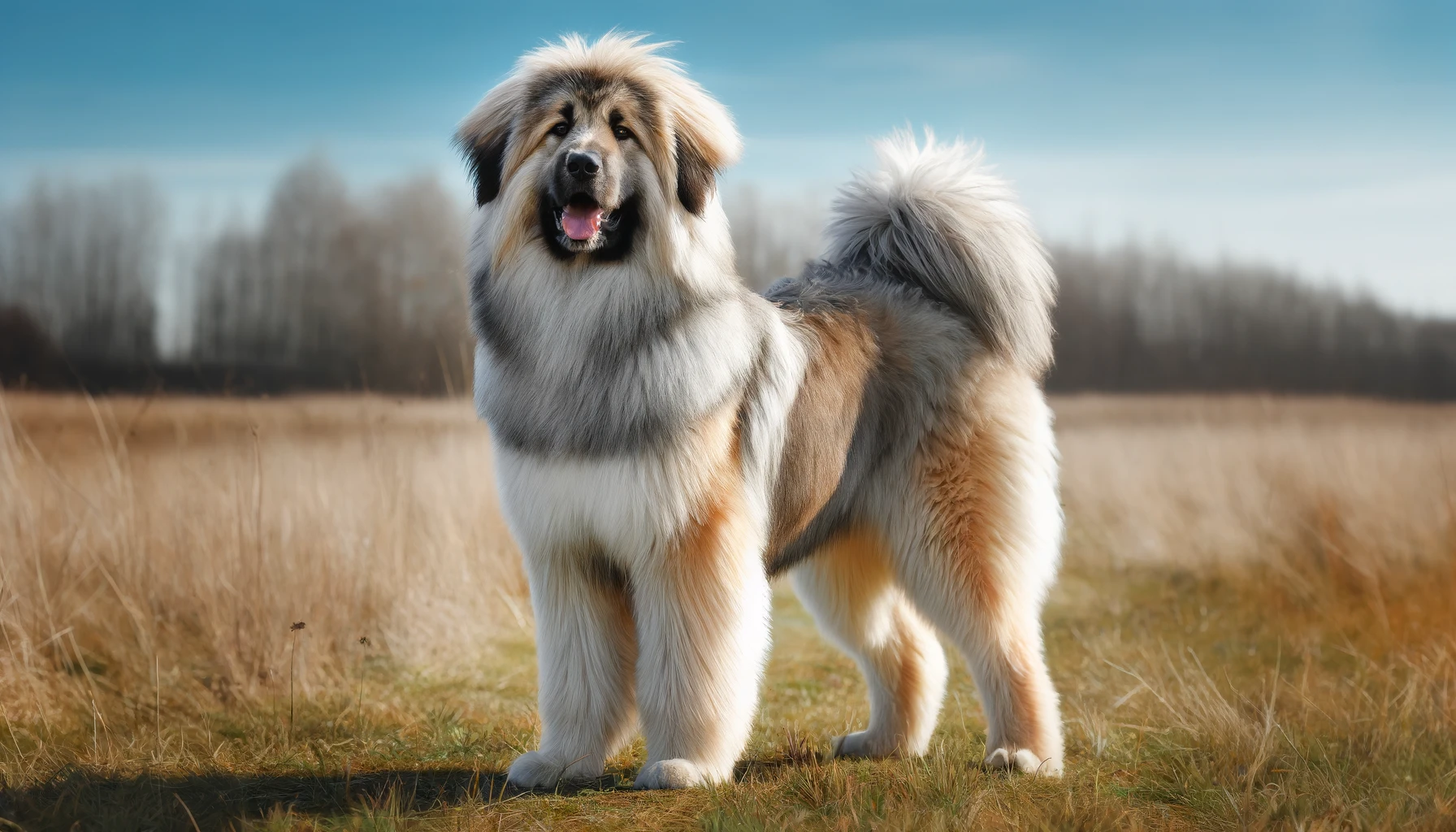
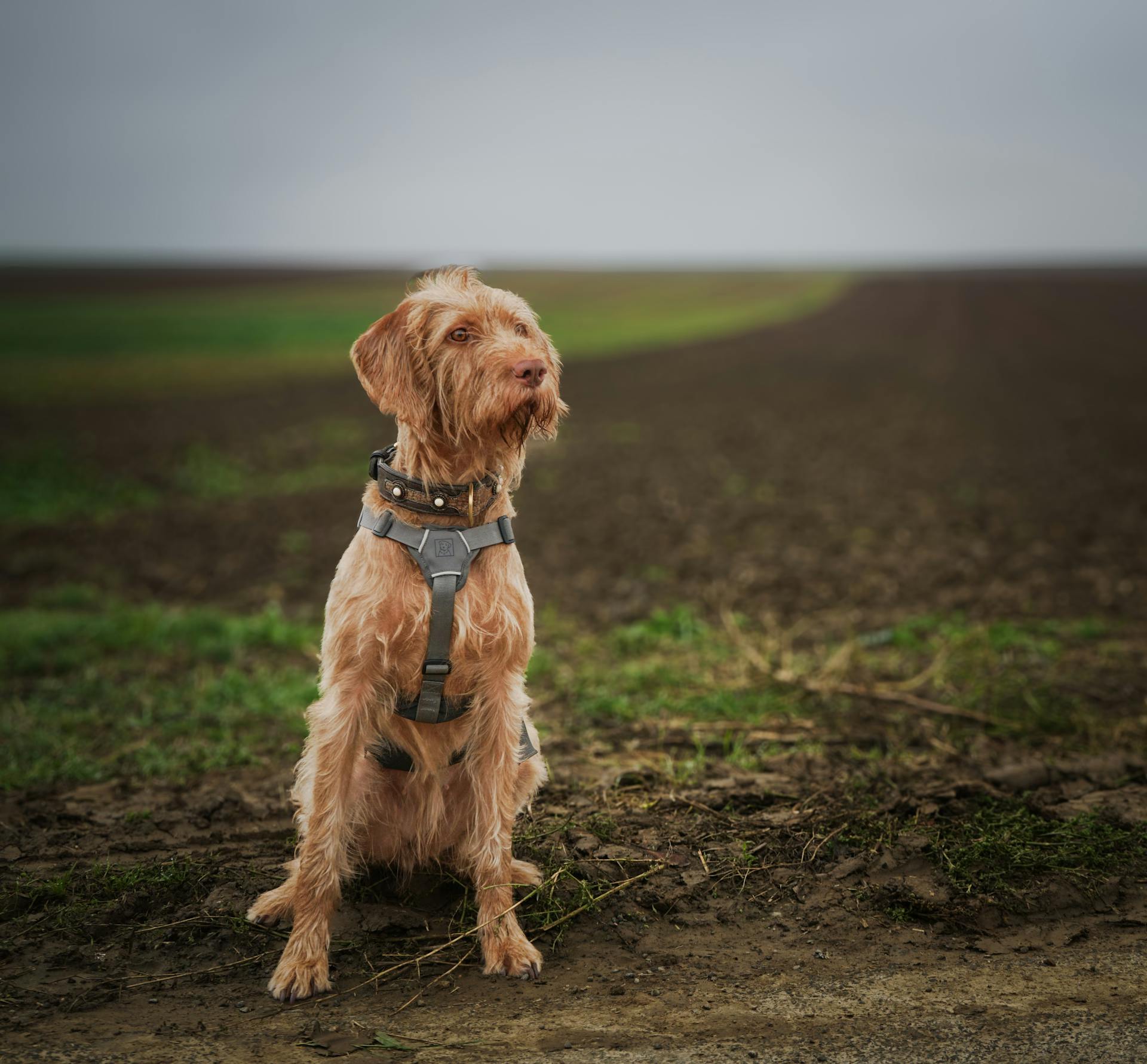
The Bouvier des Flandres has a rugged, powerful appearance, characterized by a dense, weather-resistant coat and a distinctive beard and mustache. Its strong, compact build reflects its working heritage. The eyes are dark and expressive, conveying intelligence and steadiness. Traditionally, the ears were cropped in some regions, though natural ears are now widely accepted.
Despite its solid build, the Bouvier moves with a balanced, effortless gait. Strong hindquarters provide excellent drive and stamina, allowing the breed to perform demanding physical tasks for extended periods. Bouviers excel in obedience, herding, tracking, and protection sports.
The Bouvier des Flandres is known for its calm, confident, and protective temperament. Highly intelligent and observant, it forms deep bonds with its family and shows strong loyalty. While affectionate with those it knows, the breed is typically reserved with strangers, making it a natural watchdog without being excessively aggressive.
Regular grooming is required to maintain the coat and prevent matting. Bouviers need consistent physical exercise and mental stimulation to remain well-balanced. Due to their working background, they thrive in homes where they have a purpose, such as training, structured activities, or daily tasks.
Major concerns: Hip dysplasia, eye disorders
Minor concerns: Heart conditions
Occasionally seen: Thyroid issues
Suggested tests: Hip, eye, heart, thyroid
Life span: 10–12 years
From Belgian farms to modern police and service roles, the Bouvier des Flandres has proven itself as a versatile and dependable working breed. Today, it remains highly valued as both a capable working dog and a loyal, protective family companion.