The Japanese Spitz originated in Japan in the early 20th century. Bred to be a companion dog, the breed is known for its friendly and loyal nature. The Japanese Spitz was developed from various other Spitz breeds, and it quickly became popular due to its small size, playful personality, and striking appearance.
Energy Level
Natural energy and enthusiasm throughout the day.
Exercise Needs
Amount of physical activity required to stay healthy.
Playfulness
Willingness to play and engage in games.
Affection Level
Tendency to show affection toward humans.
Dog Friendliness
Friendliness and tolerance toward other dogs.
Pet Friendliness
How well this pet gets along with other animals.
Stranger Friendliness
Reaction toward unfamiliar people.
Ease of Training
How easy it is to train and teach commands.
Watchfulness
Alertness and tendency to notice surroundings.
Vocality
Tendency to bark, meow, or make other sounds.
Grooming Requirements
Level of grooming effort needed on a regular basis.
Heat Sensitivity
Sensitivity to hot weather conditions.
Cold Tolerance
Ability to withstand cold temperatures.
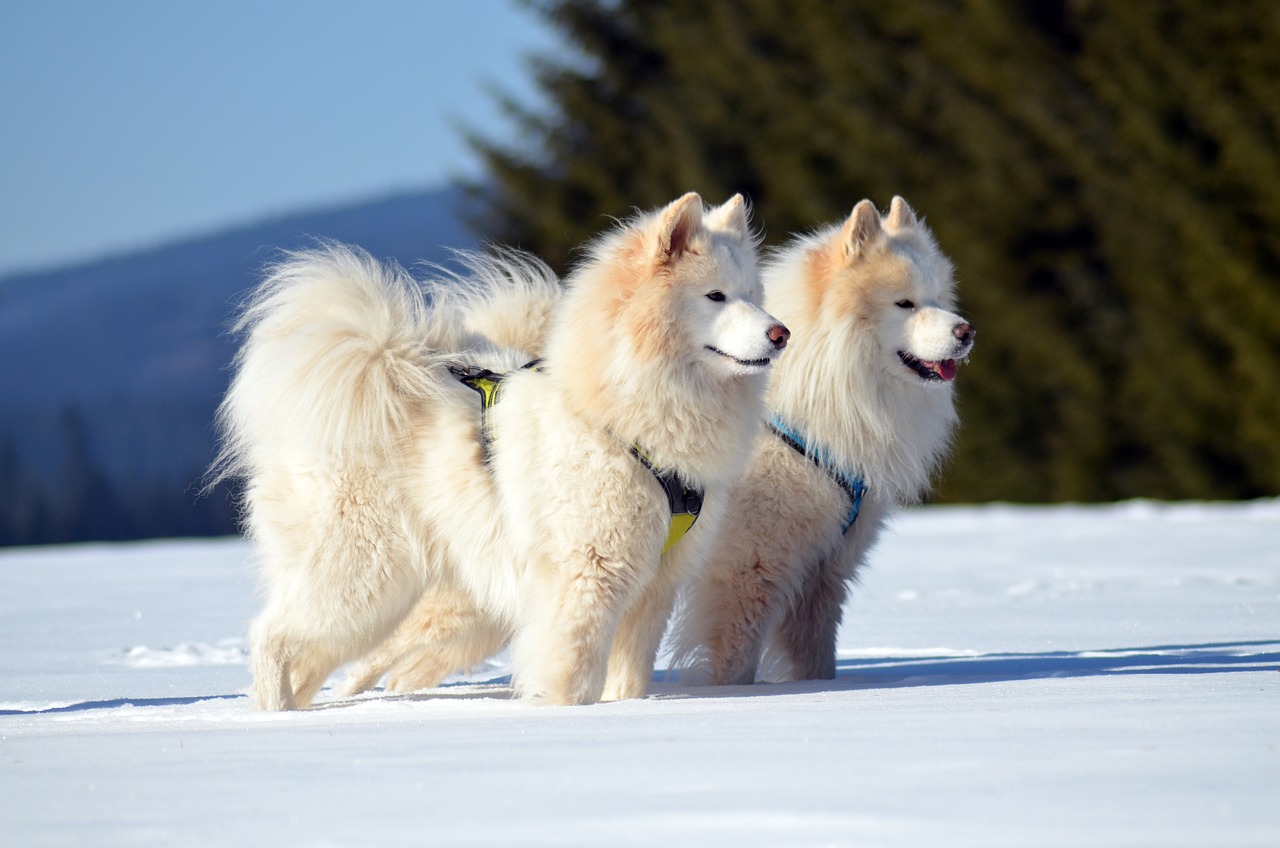
The Japanese Spitz has a long, double coat that is always white. They are known for their fluffy appearance, with a mane of fur around their neck and a plumed tail that curls over their back. Their eyes are dark and expressive, and they have small, pointed ears.
Despite their small size, Japanese Spitz are agile and energetic. They enjoy activities like running, fetching, and playing. Their light, graceful movement and high energy levels make them excellent companions for active individuals and families.
Japanese Spitz are known for their playful and friendly personalities. They are loyal to their families and form strong bonds with their owners. The breed is intelligent and eager to please, making them easy to train. Japanese Spitz are also good with children and can get along well with other pets when properly socialized.
Japanese Spitz require regular exercise to stay healthy and happy. Daily walks, playtime, and interactive activities are essential to meet their physical and mental needs. Their long, double coat requires regular brushing to prevent matting and keep it looking its best. Regular vet check-ups are also important to monitor for common health issues.
Major concerns: patellar luxation, dental issues
Minor concerns: allergies, tear staining
Occasionally seen: hip dysplasia
Suggested tests: hip, knee, dental
Life span: 10–16 years
The Japanese Spitz was developed in Japan in the early 20th century by breeding various Spitz breeds. The breed quickly gained popularity as a companion dog due to its friendly and loyal nature. Today, the Japanese Spitz is loved for its playful personality, intelligence, and striking appearance, making it a popular choice for families and individuals around the world.