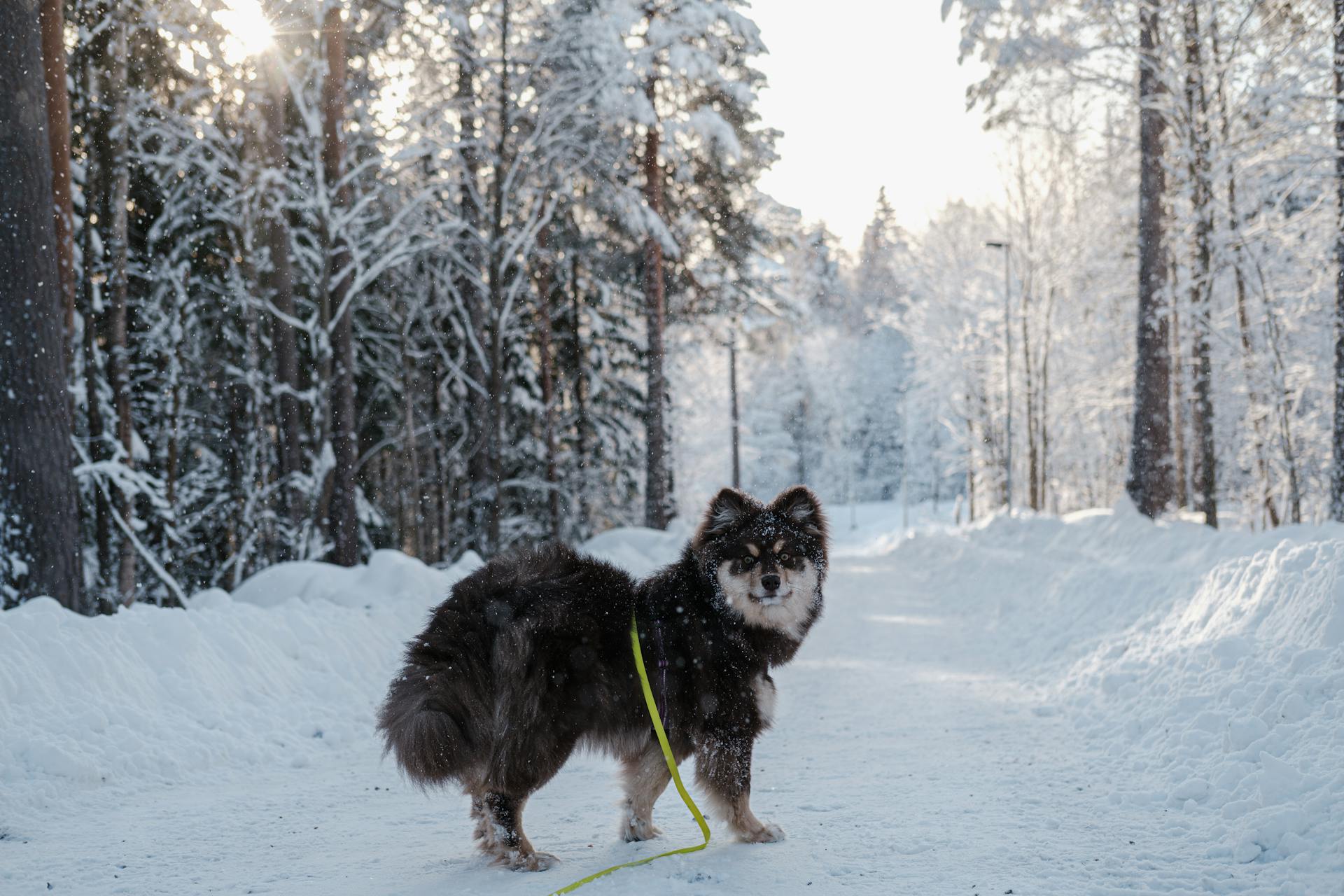
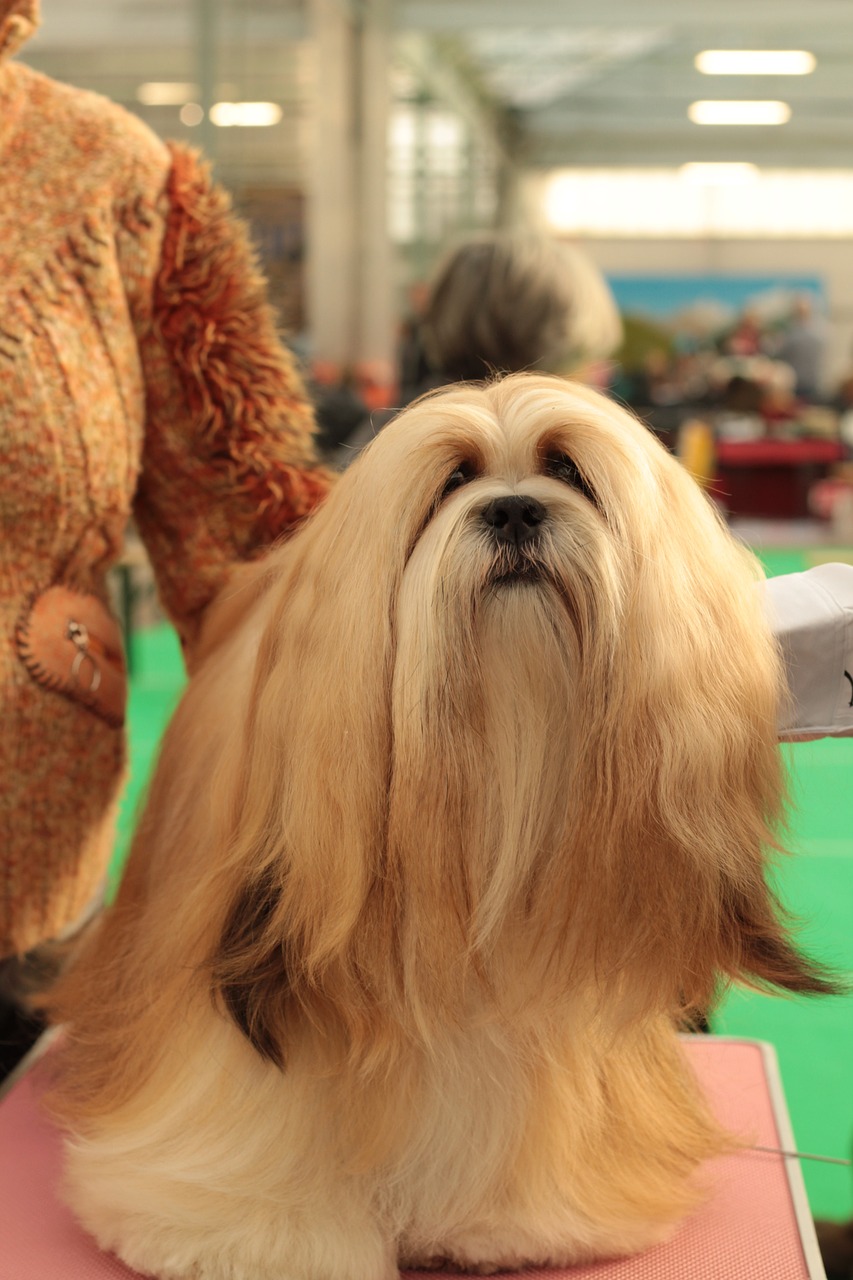
The Keeshond, often referred to as the “Smiling Dutchman,” originated in the Netherlands in the 17th century. Initially used as a guard dog on ships, the Keeshond is known for its loyalty and vigilance. This breed played an important role in Dutch history as a symbol of patriotism, and its distinctive appearance and friendly nature make it an ideal family companion.
Energy Level
Natural energy and enthusiasm throughout the day.
Exercise Needs
Amount of physical activity required to stay healthy.
Playfulness
Willingness to play and engage in games.
Affection Level
Tendency to show affection toward humans.
Dog Friendliness
Friendliness and tolerance toward other dogs.
Pet Friendliness
How well this pet gets along with other animals.
Stranger Friendliness
Reaction toward unfamiliar people.
Ease of Training
How easy it is to train and teach commands.
Watchfulness
Alertness and tendency to notice surroundings.
Vocality
Tendency to bark, meow, or make other sounds.
Grooming Requirements
Level of grooming effort needed on a regular basis.
Heat Sensitivity
Sensitivity to hot weather conditions.
Cold Tolerance
Ability to withstand cold temperatures.
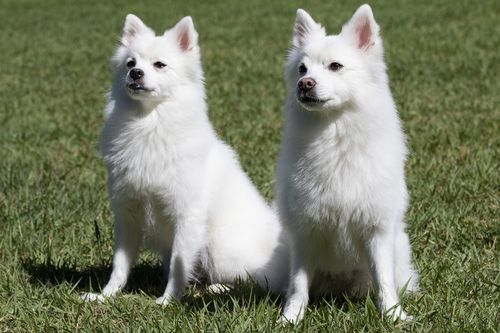
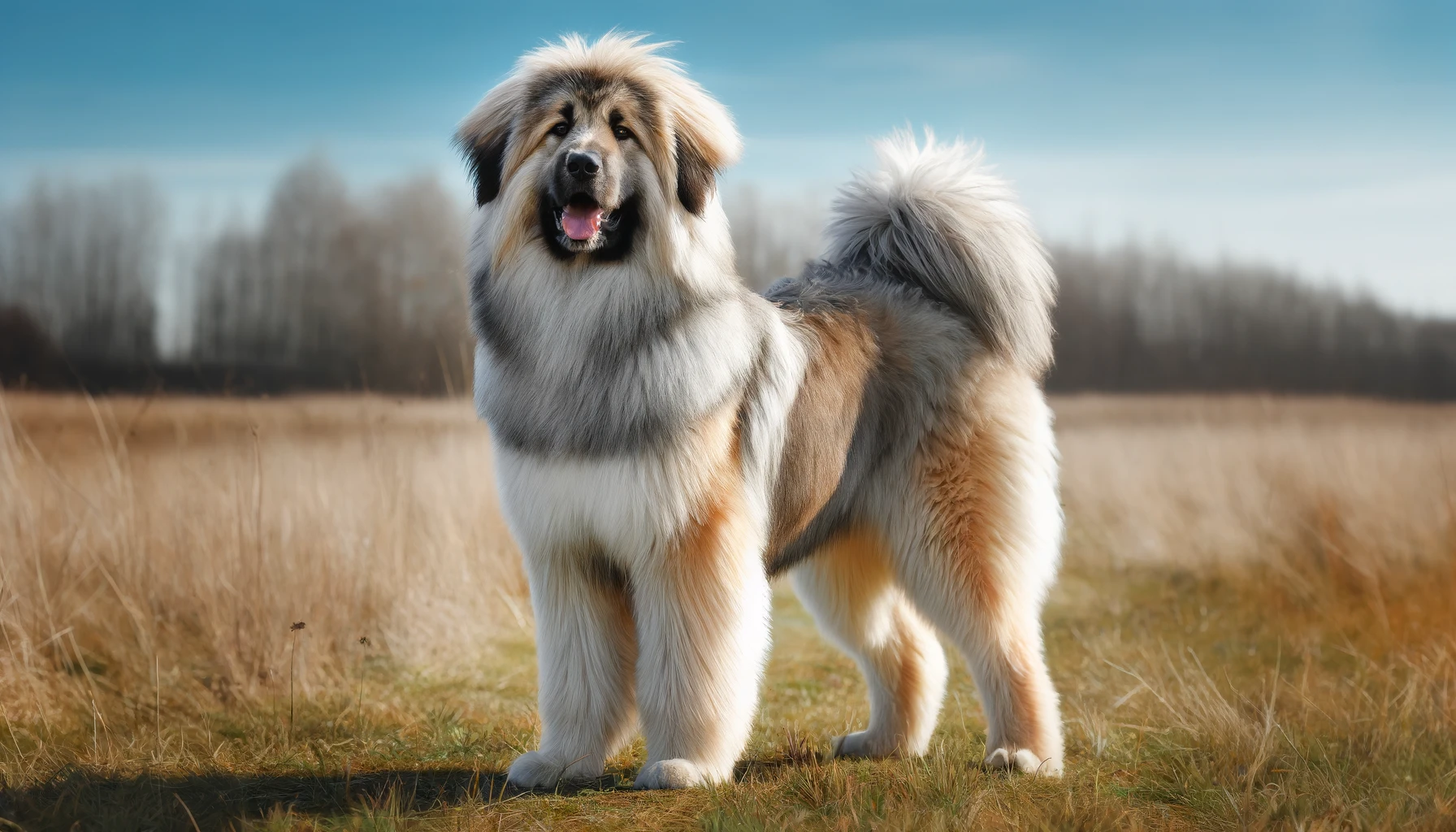
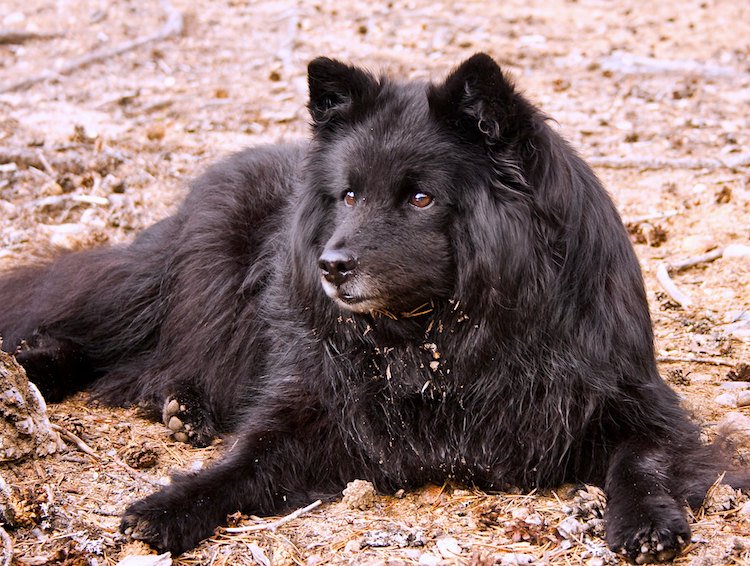
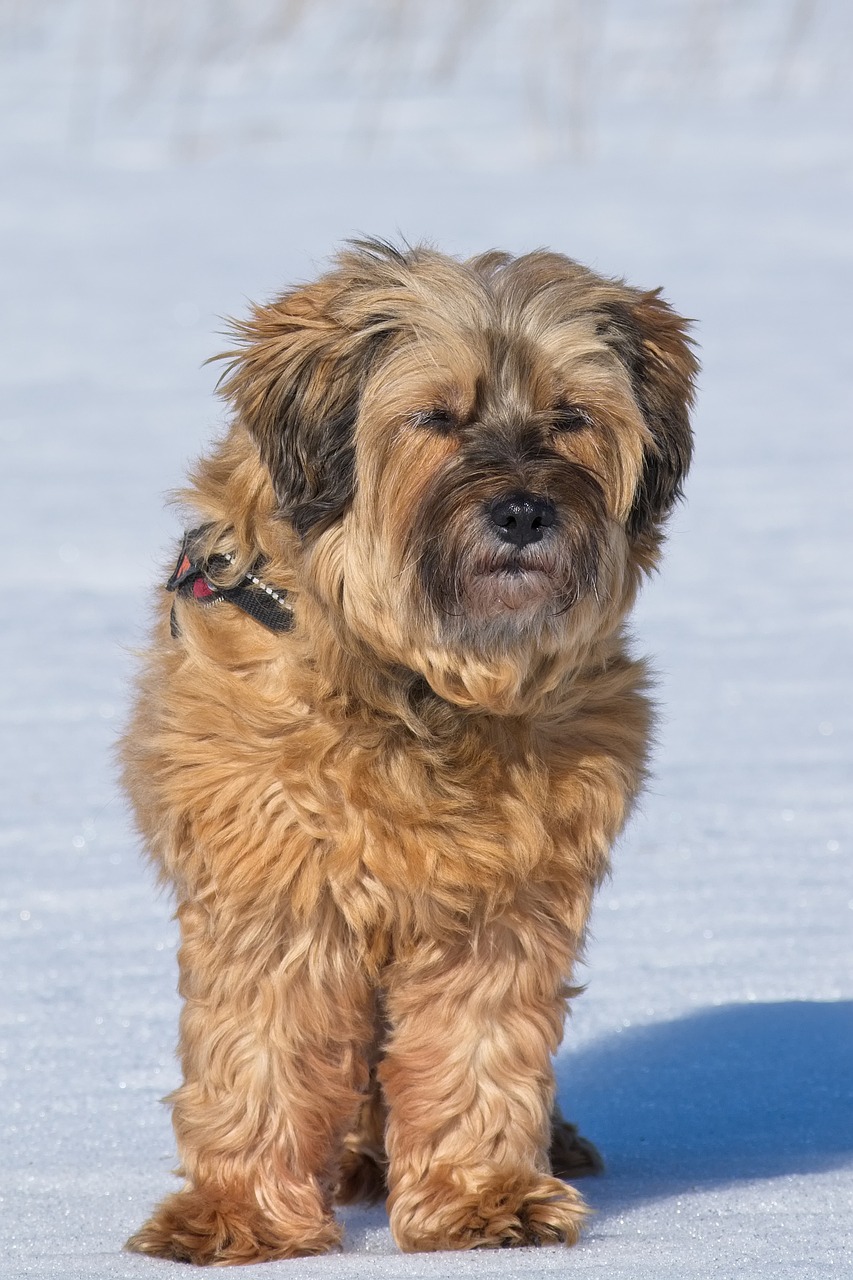
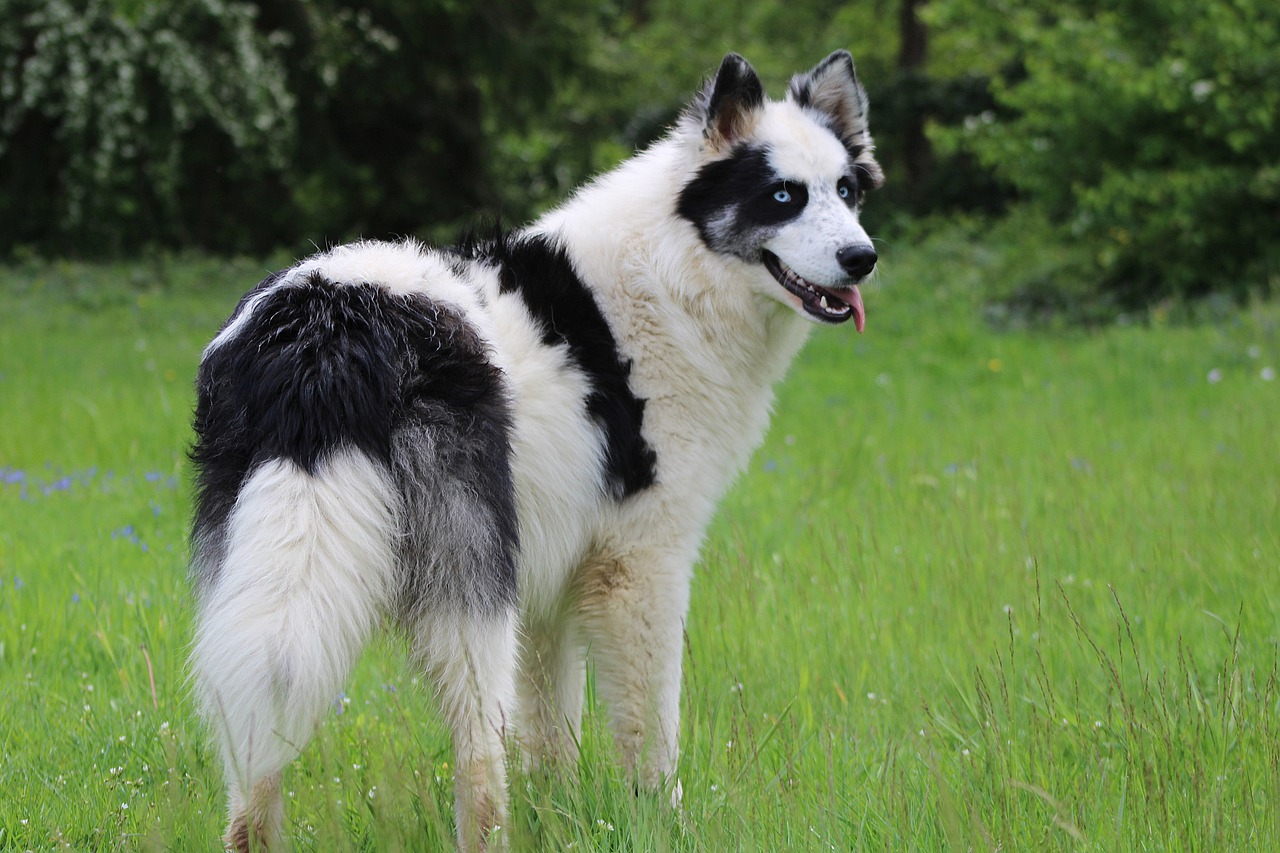
The Keeshond is known for its fluffy double coat and distinctive “smiling” expression. Their fur is dense, with a rough outer coat and a soft undercoat, forming a luxurious mane and chest ruff. Colors are typically a mix of silver and black, with dark brown eyes and erect ears. The tail is usually curled over the back, adding to their charming appearance.
The Keeshond is a lively and energetic breed with a light and graceful gait. They excel in various sports and activities, including agility training, obedience training, and family interactive games. While they don’t require excessive exercise, daily walks and playtime are essential for their physical and mental well-being.
Keeshonds are known for their friendly and outgoing personalities. They are affectionate with family members and especially enjoy interacting with children. This breed is intelligent and easy to train, often showing curiosity and wit. They make excellent watchdogs, being alert without being aggressive. Keeshonds love being part of the family and enjoy participating in various household activities.
The Keeshond’s double coat requires regular grooming to prevent matting and maintain health. Weekly brushing can reduce shedding and keep their coat shiny. Regular baths are also important due to their thick fur. This breed is generally healthy, but regular veterinary check-ups are crucial for monitoring potential health issues.
Major concerns: Hip dysplasia
Minor concerns: Patellar luxation, hypothyroidism
Occasional issues: Epilepsy, skin allergies
Suggested tests: Hip, knee, thyroid
Lifespan: 12–15 years
The history of the Keeshond is rich with roles as both guard dogs and family companions. Originally used to guard ships, this breed was beloved for its loyalty and intelligence. Today, Keeshonds continue to play important roles in families, serving as gentle and alert companions. They excel in agility, obedience competitions, and as therapy dogs, showcasing their versatility and adaptability.