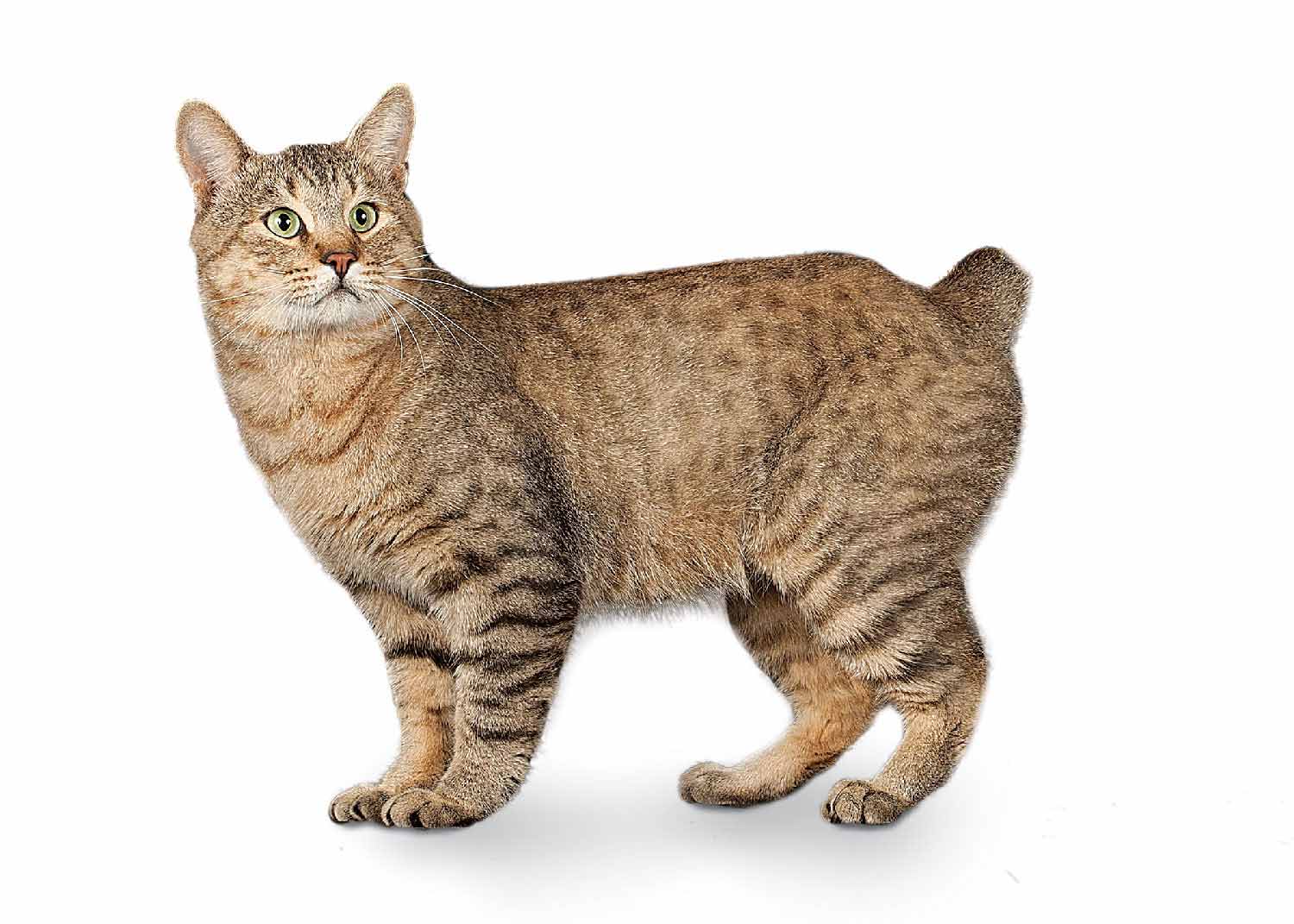
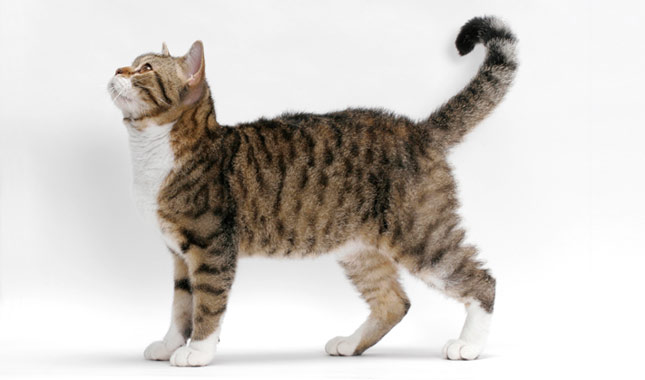
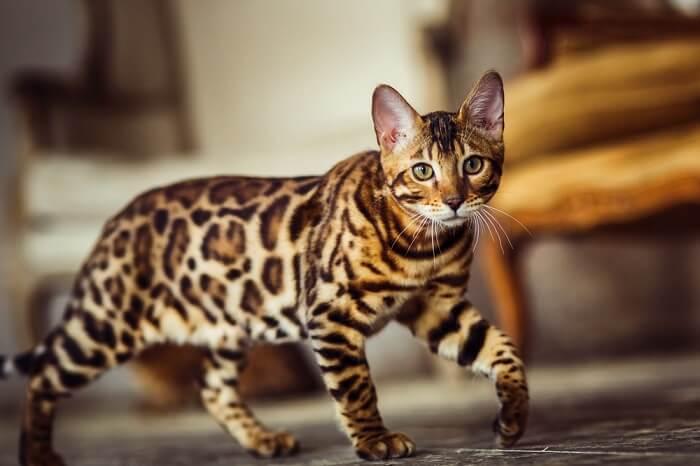
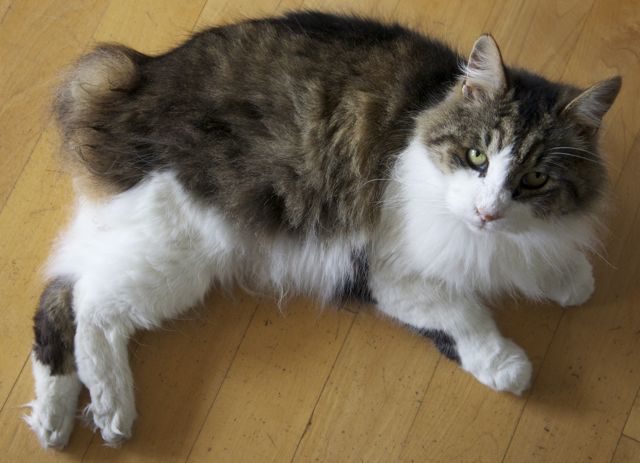
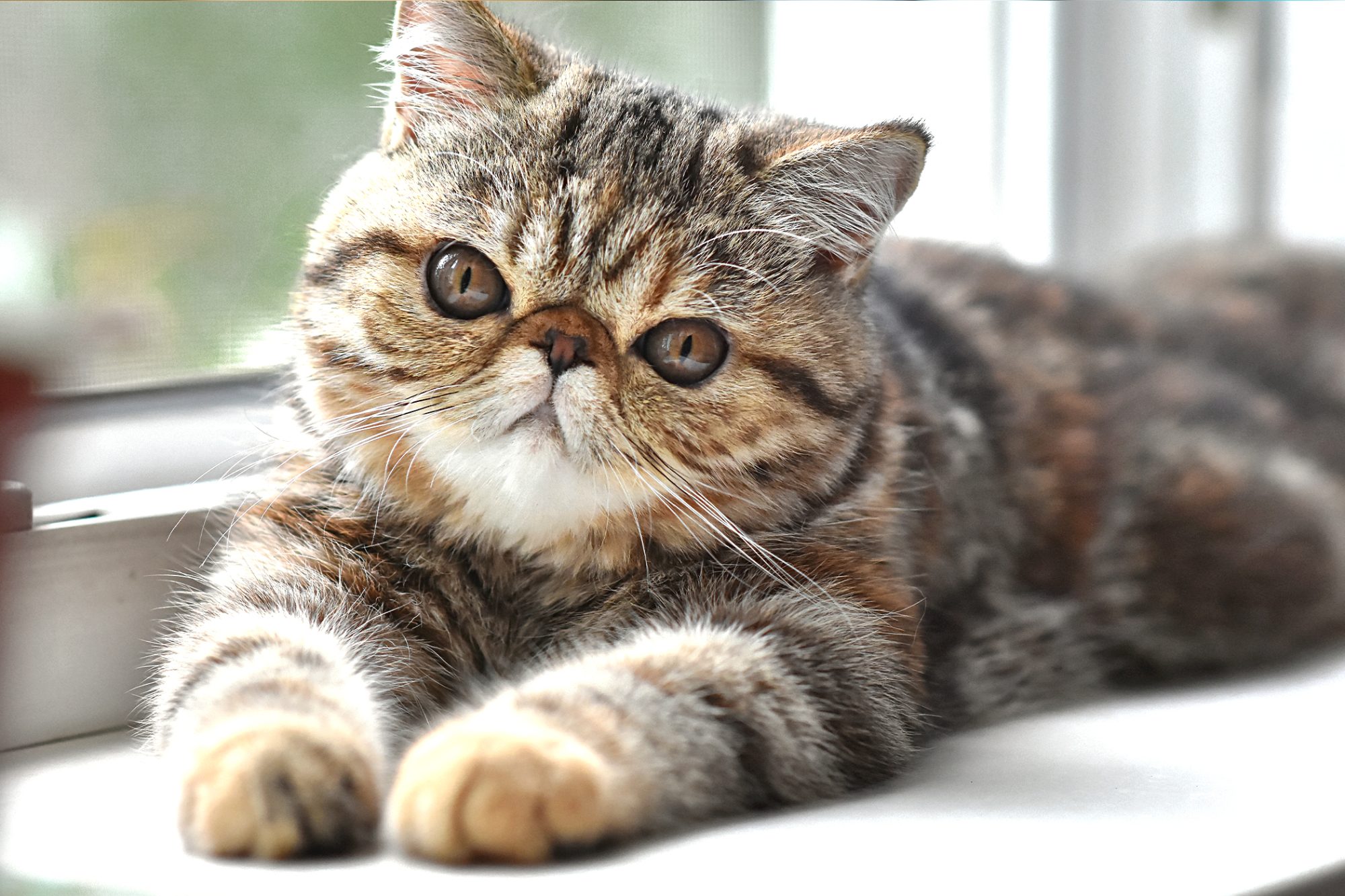
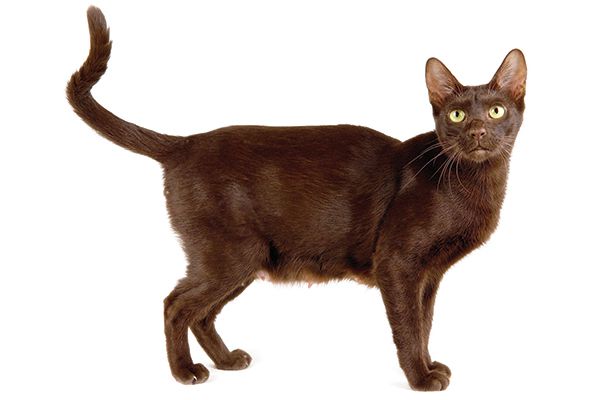
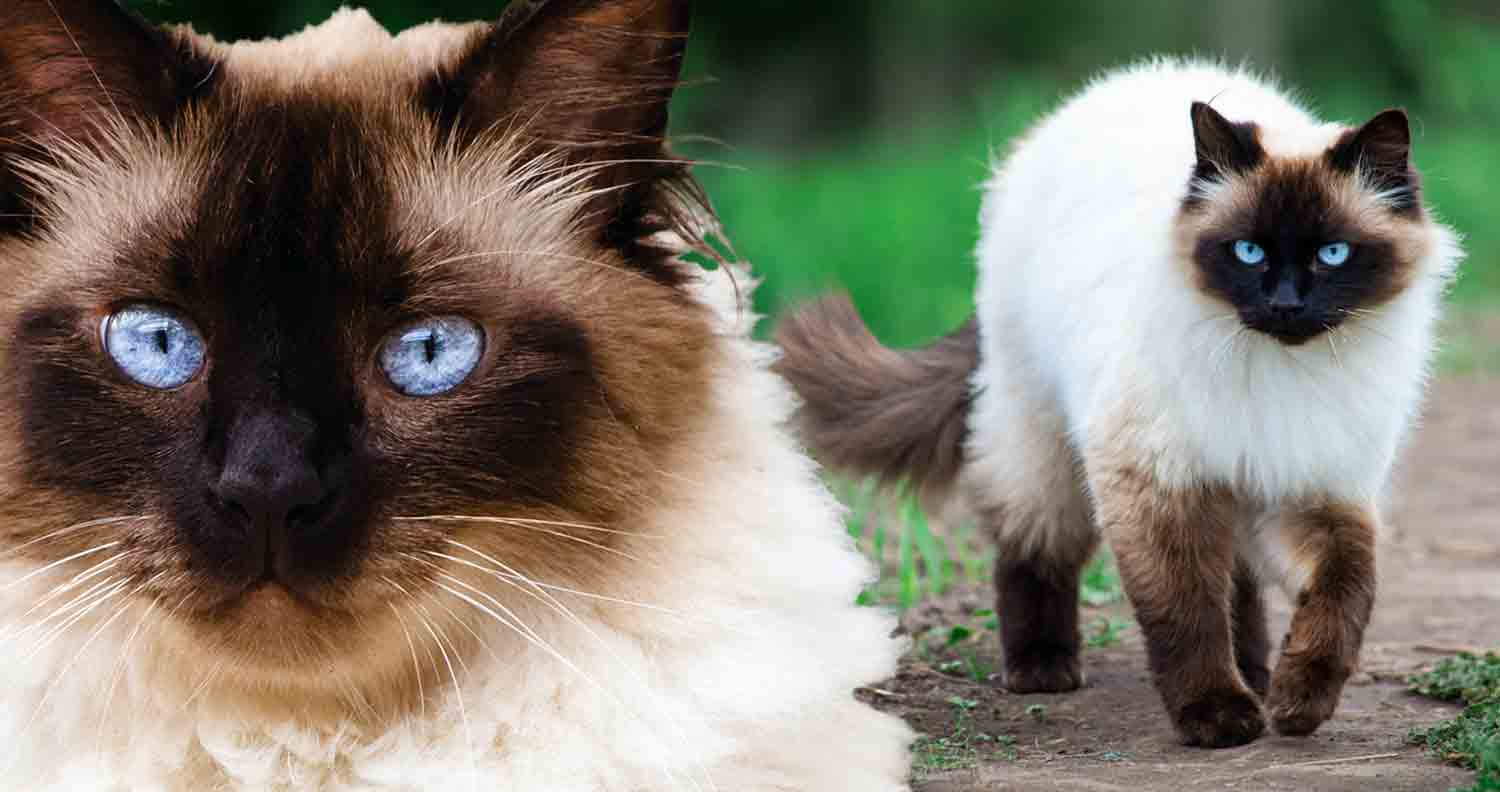
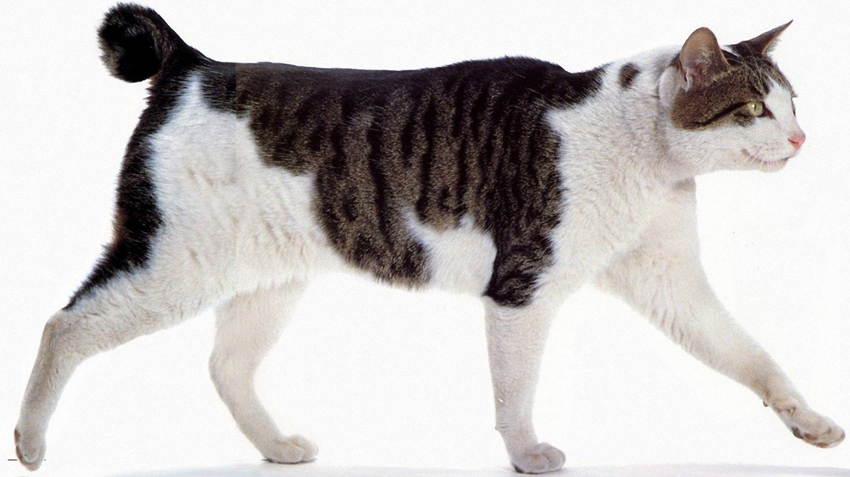
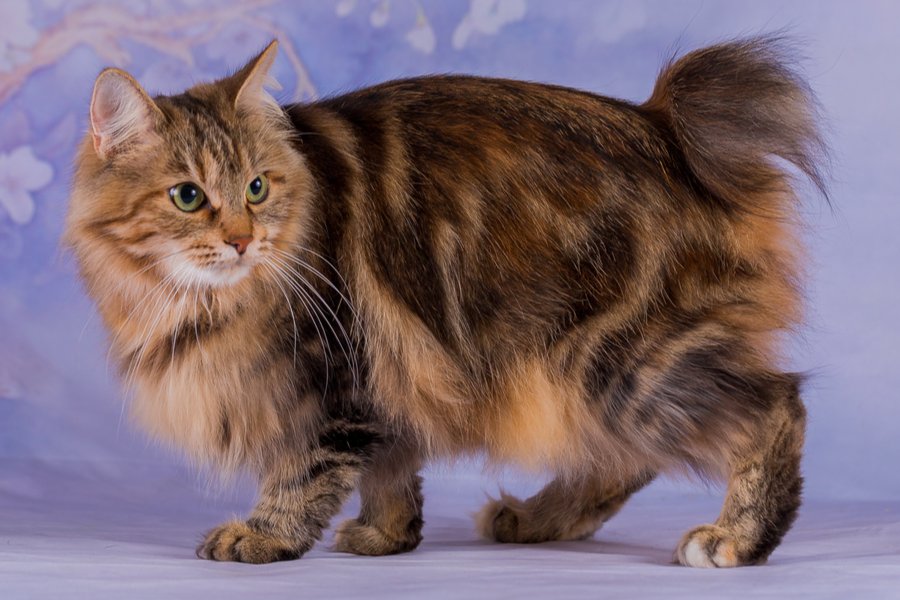
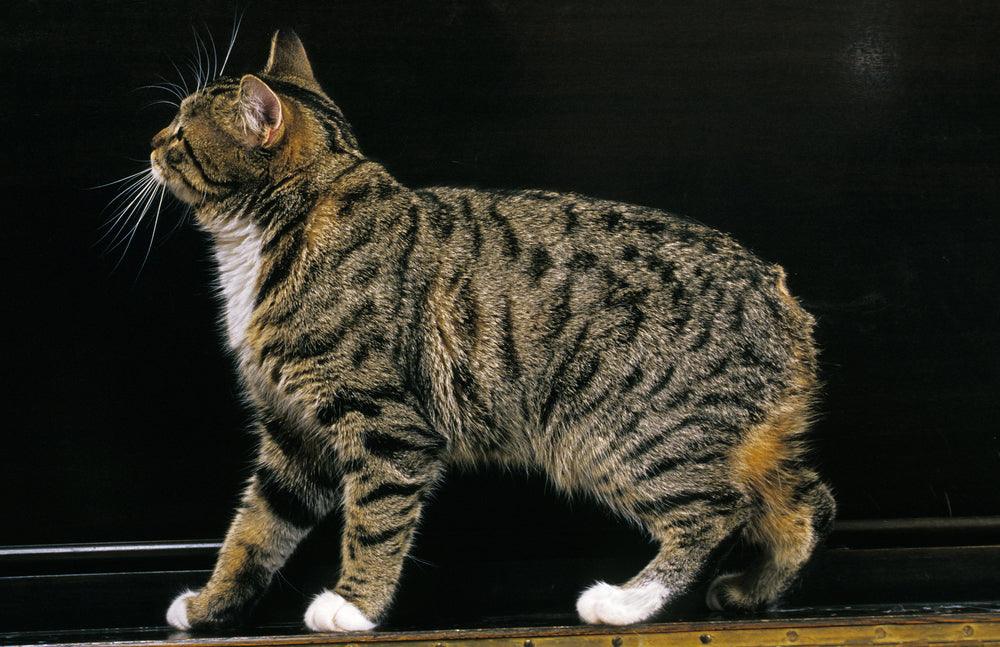
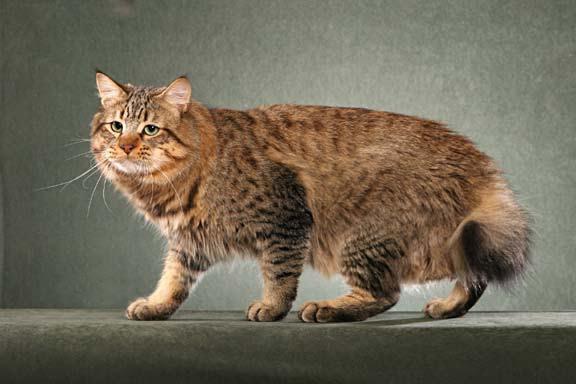
The American Bobtail is an uncommon breed of domestic cat which was developed in the United States in the late 1960s. It is most notable for its stubby “bobbed” tail, which is about one-third to one-half the length of a normal cat’s tail. This unique feature is the result of a genetic mutation affecting tail development.
Activity Level
Overall daily activity and movement needs.
Good with Children
Compatibility and patience around children.
Good with Other Pets
Ability to live peacefully with other pets.
Vocal Level
How frequently this pet makes vocal sounds.
Grooming Needs
Amount of grooming required to maintain coat and health.
Shedding Level
Amount of hair shedding throughout the year.
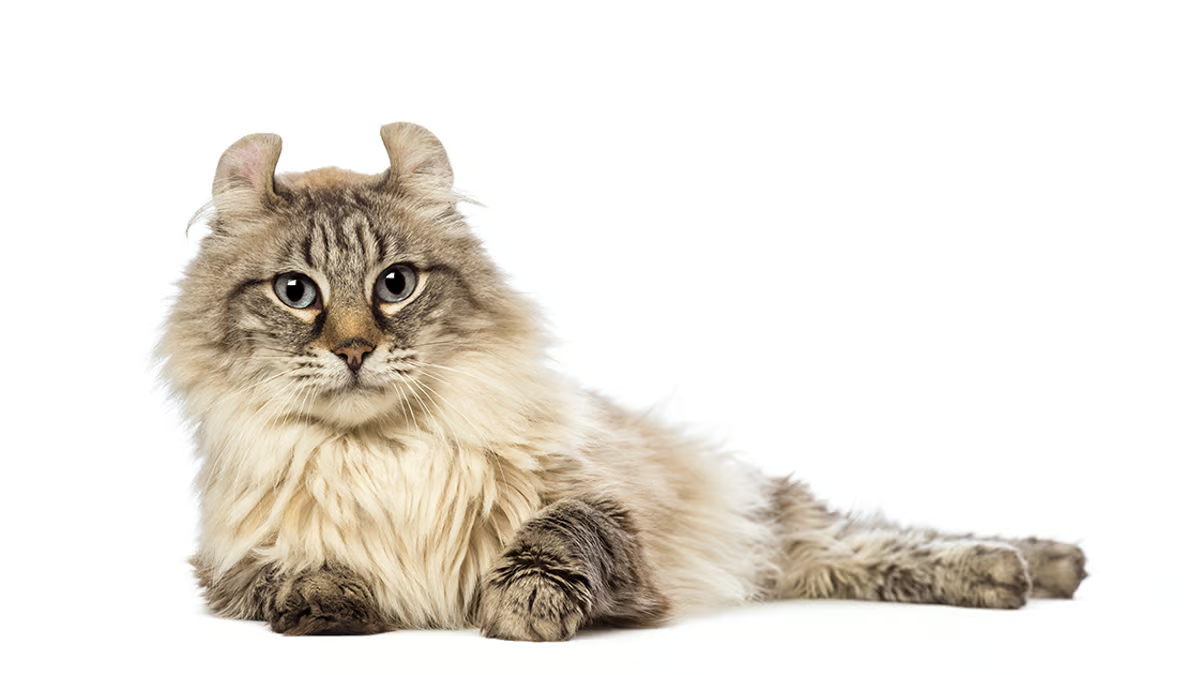
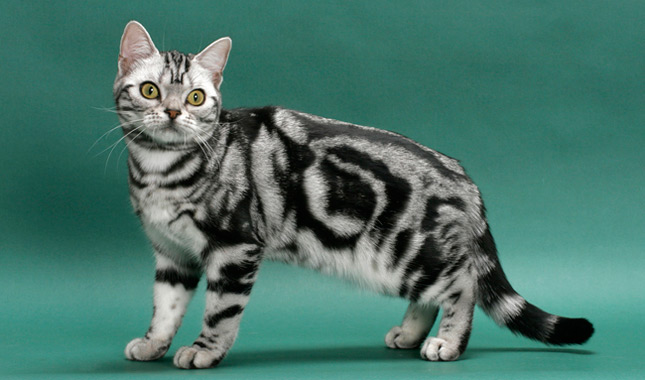
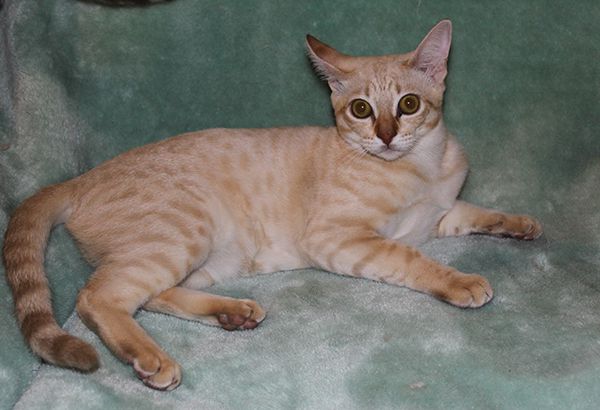
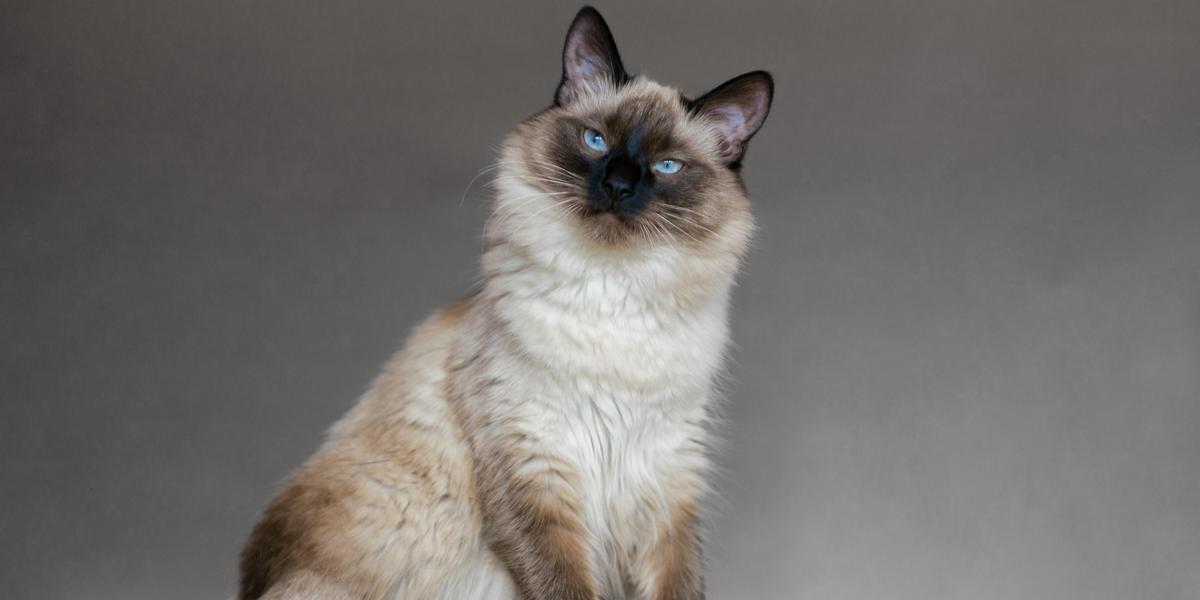
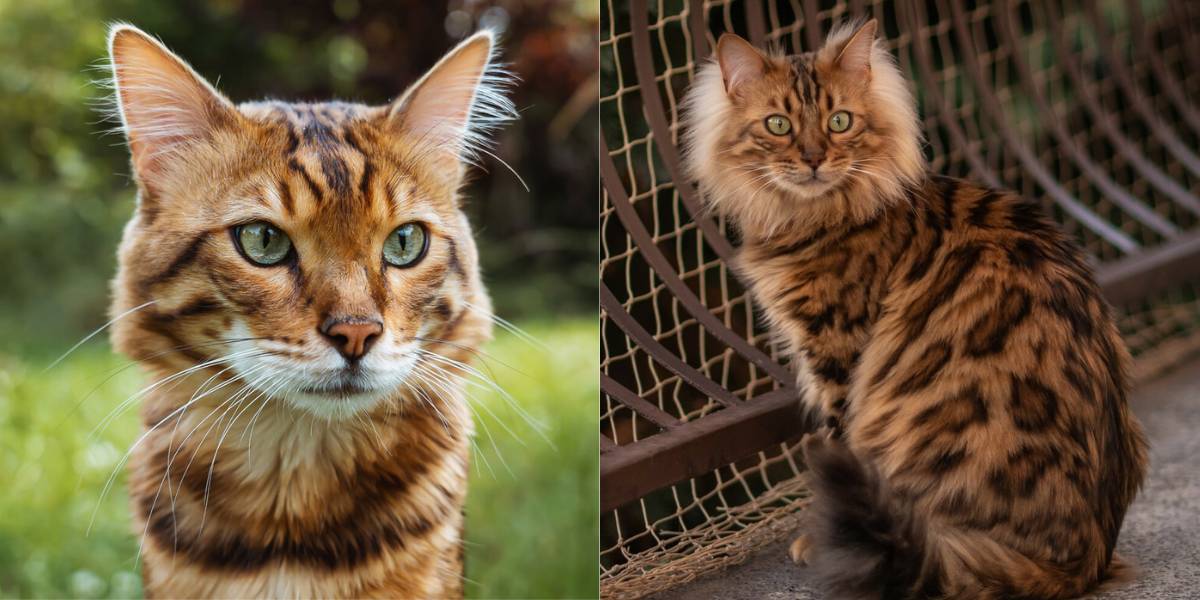
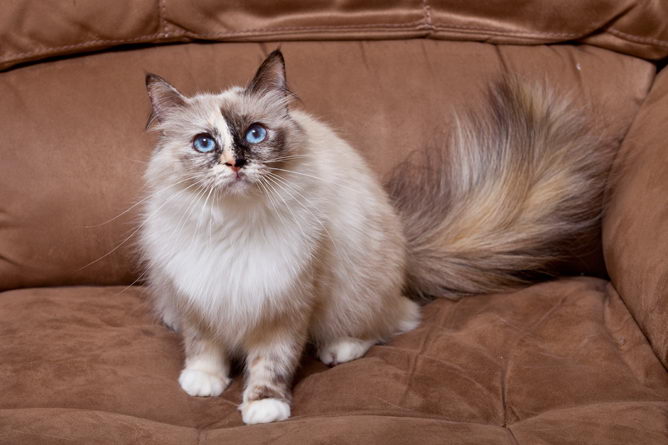
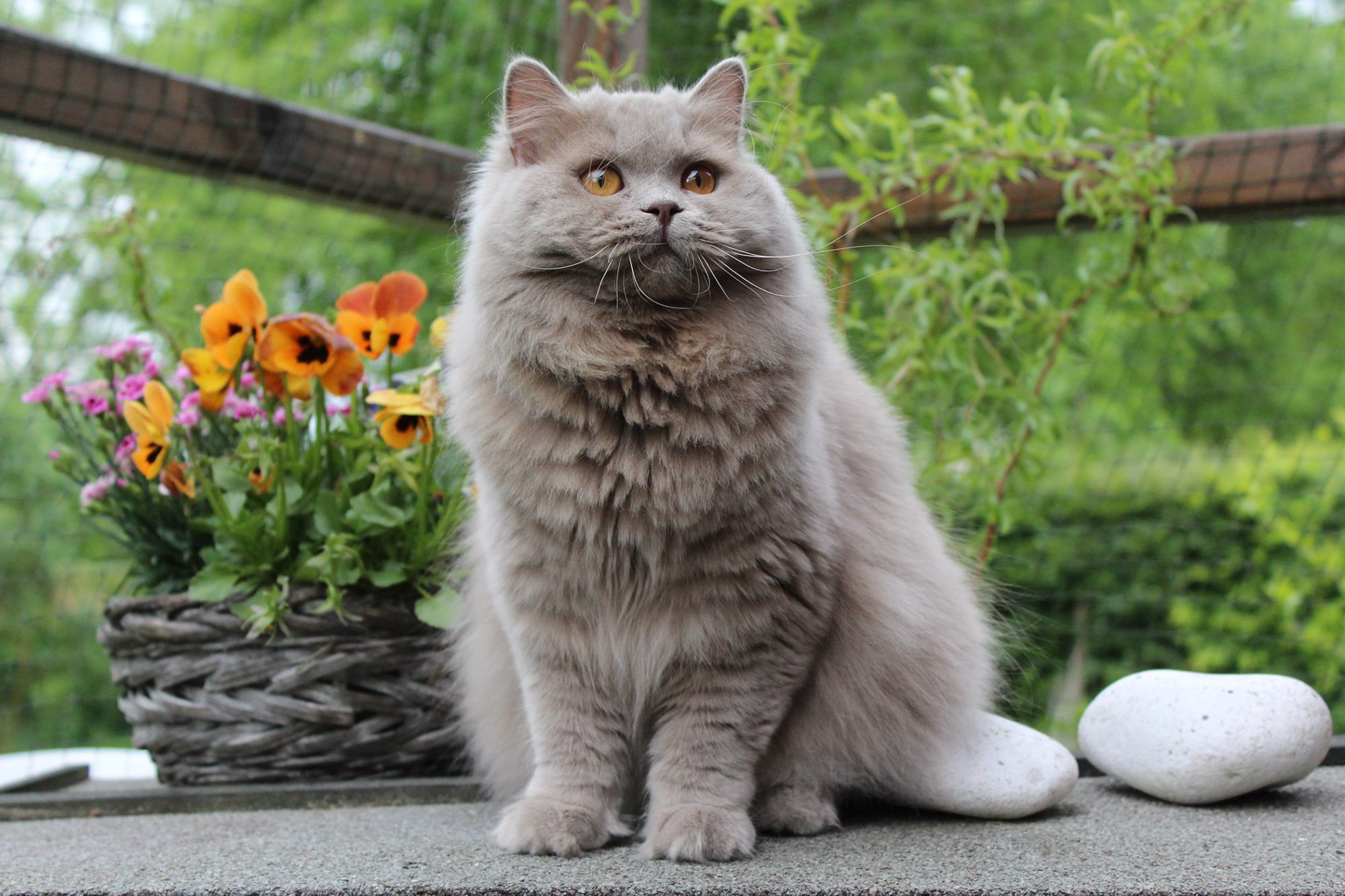
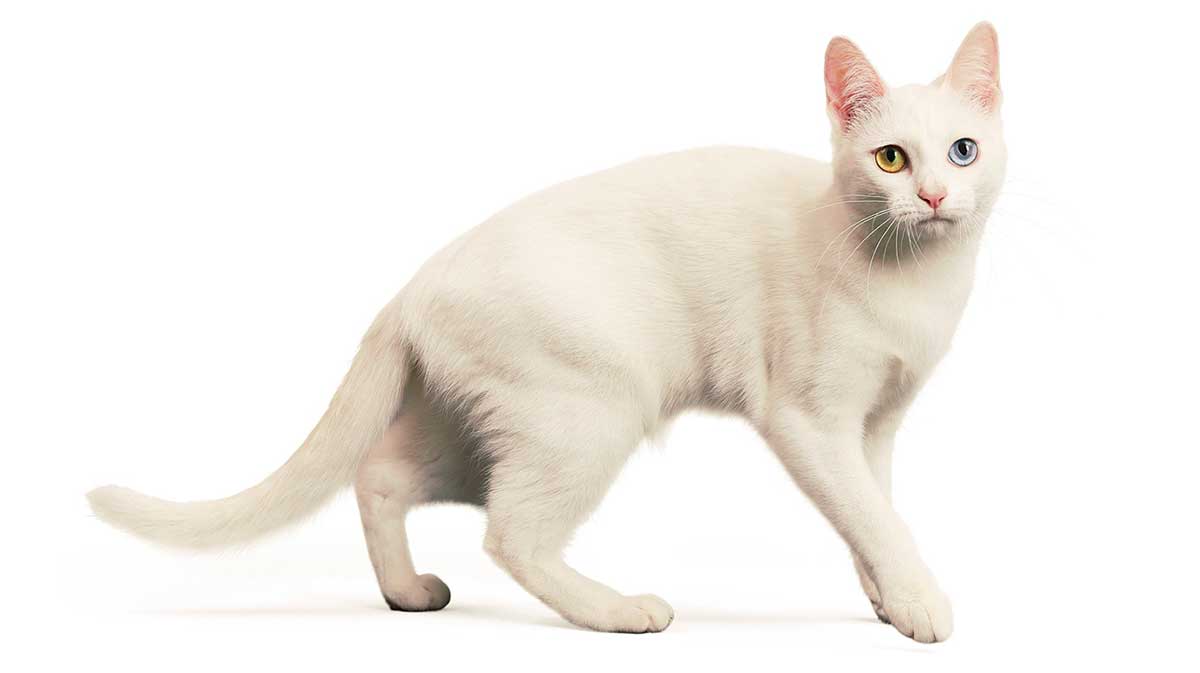
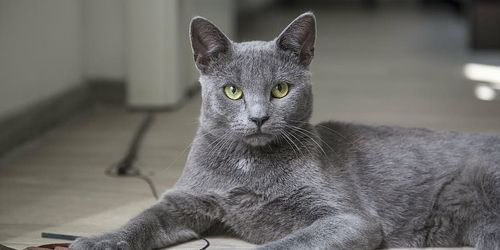
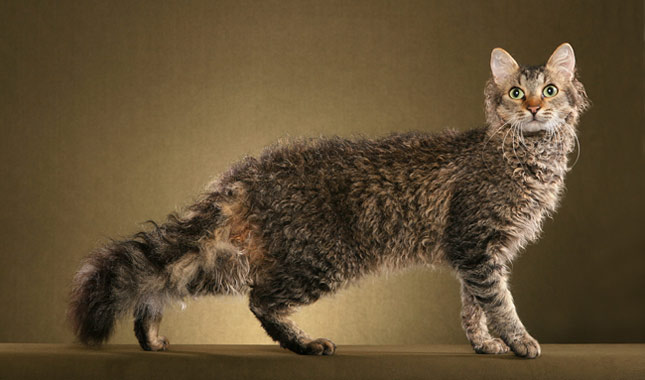
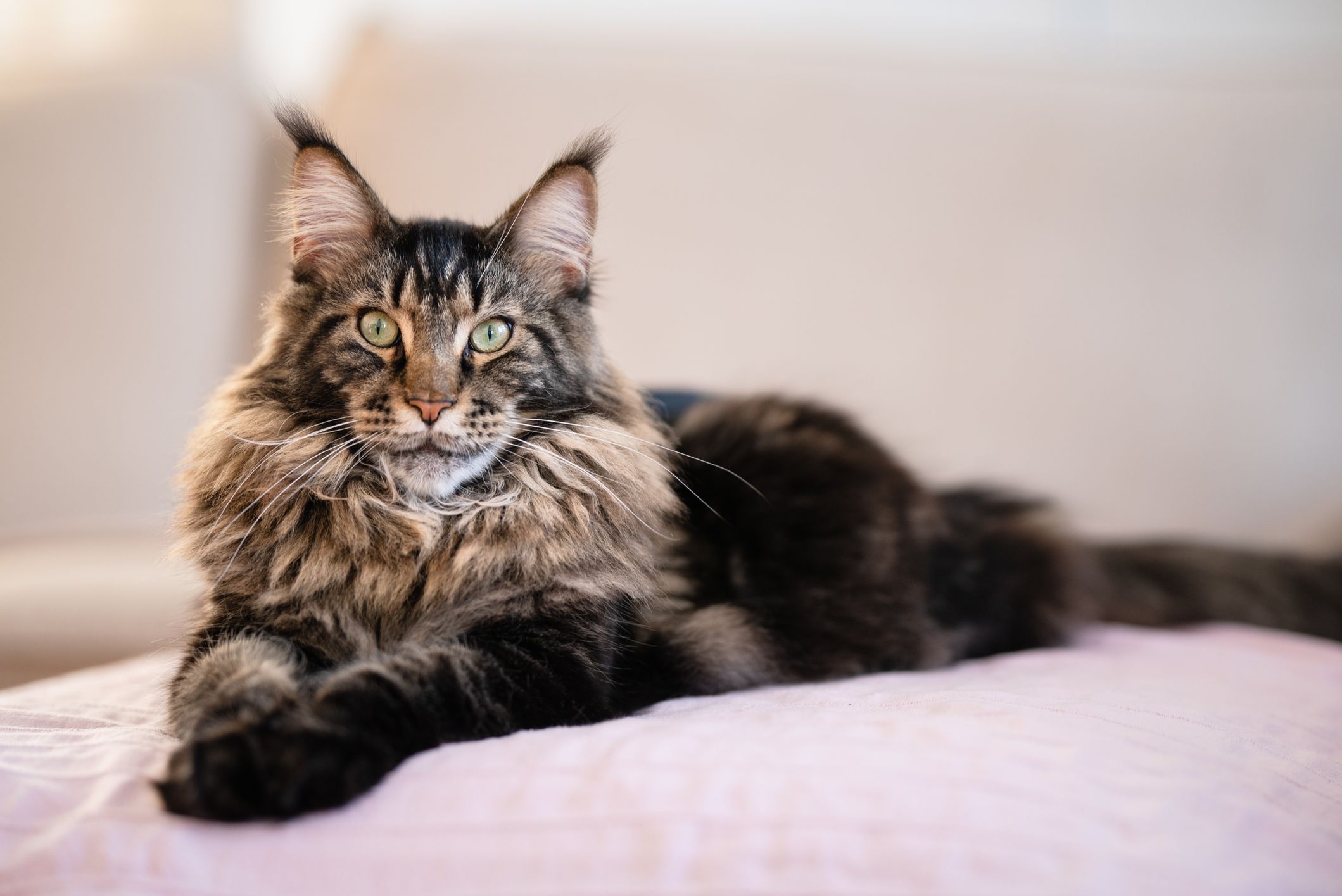
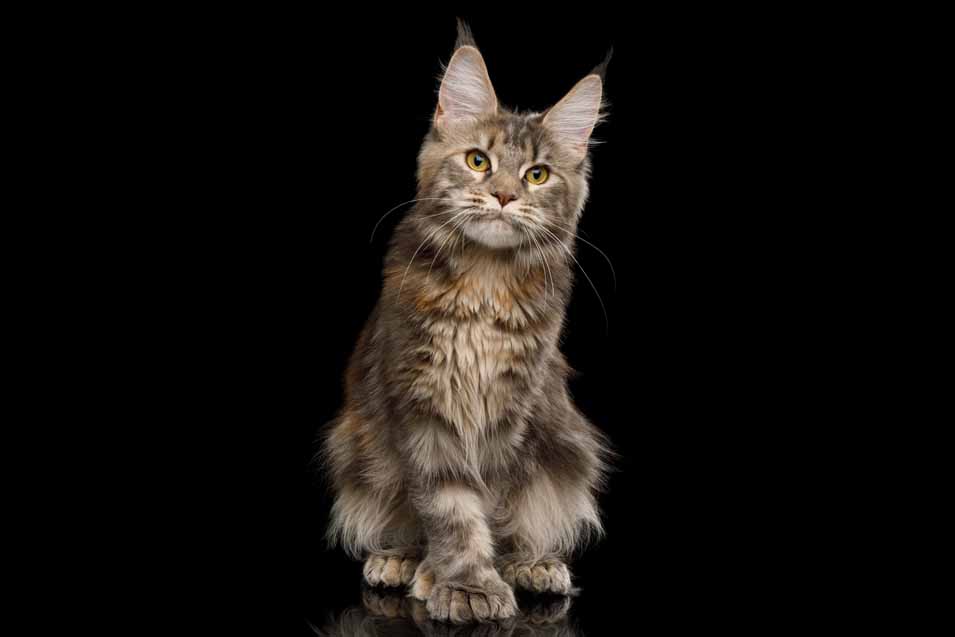
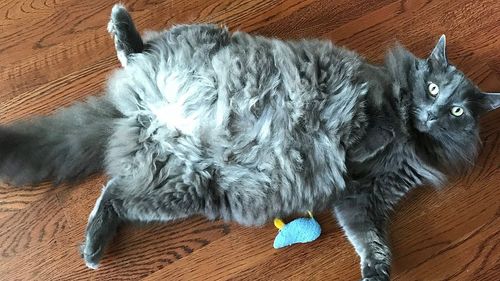
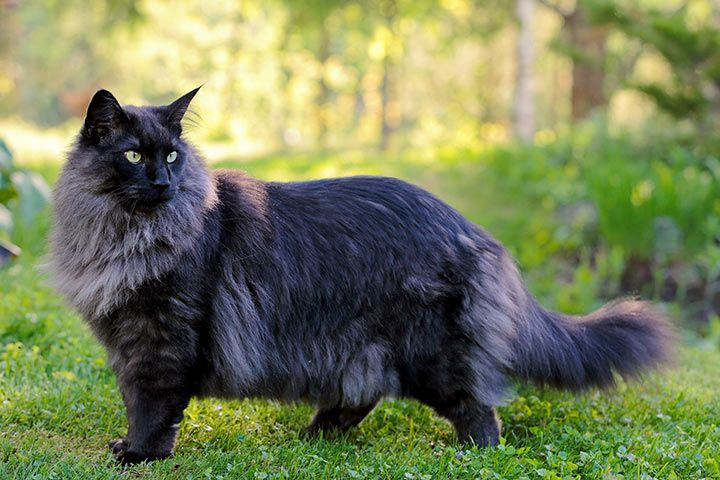
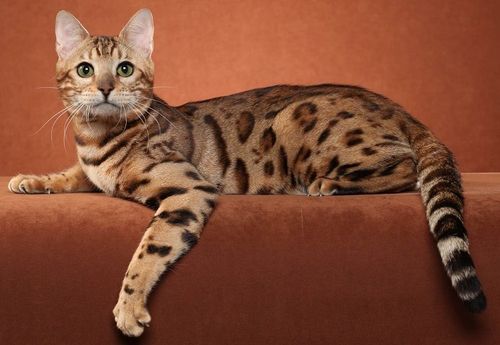
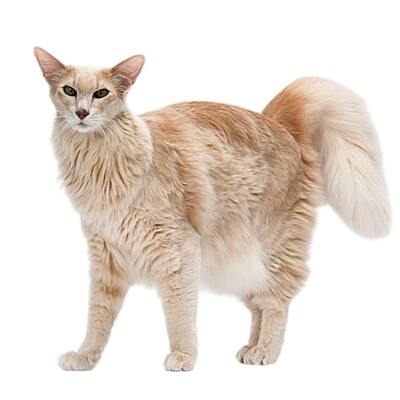
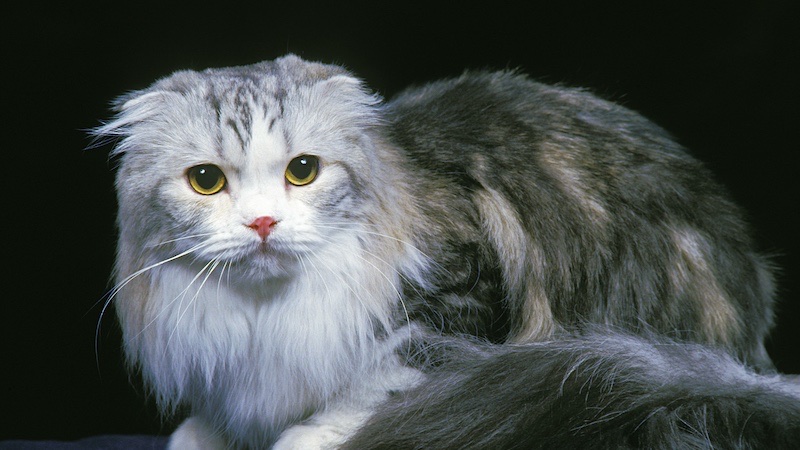
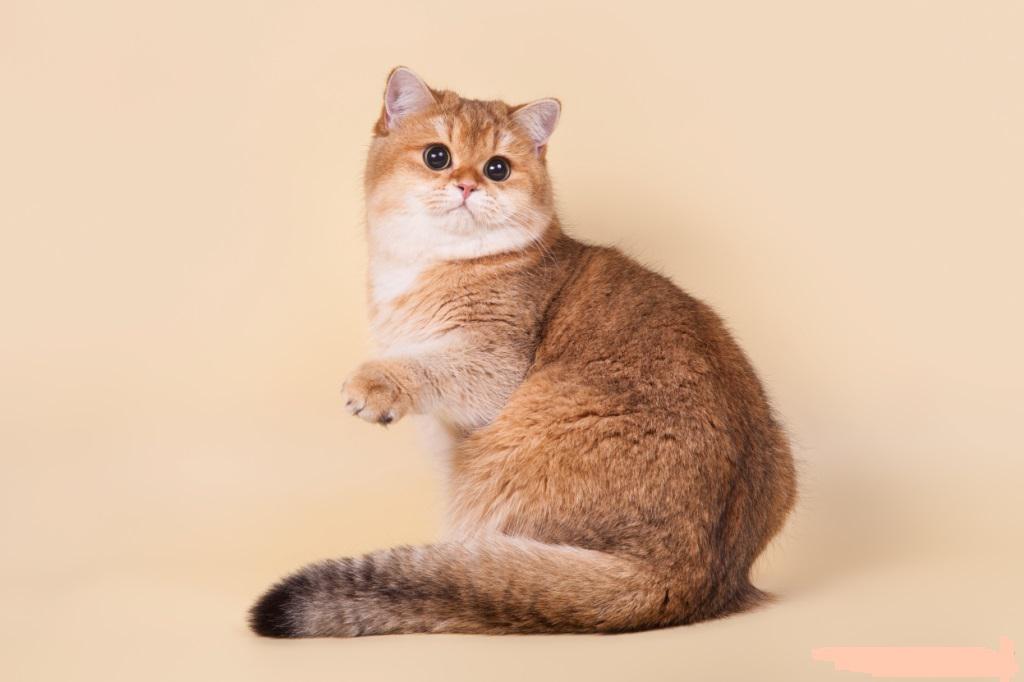
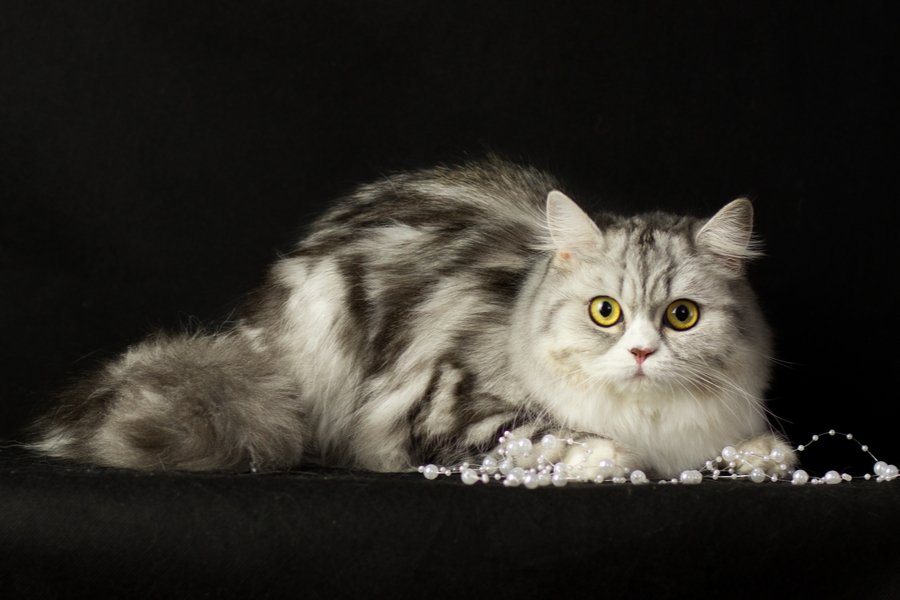
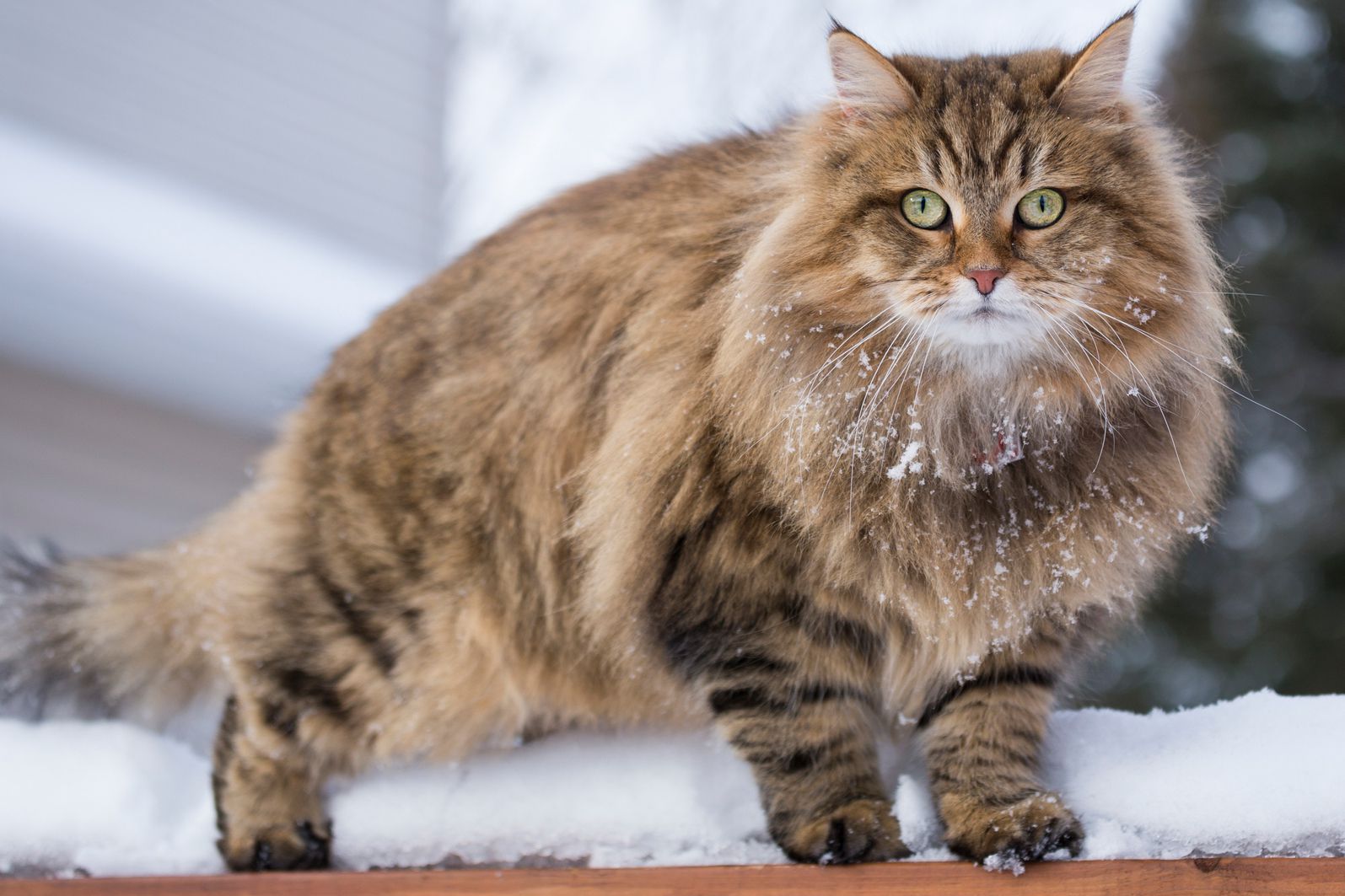
American Bobtails are a very sturdy breed, with both short- and long-haired coats. Their coat is shaggy rather than dense or fluffy. They can have any color of eyes and coat, with a strong emphasis on the “wild” tabby appearance in show animals. The breed’s distinct tail is straight or curved, slightly knotted or may have bumps.
American Bobtails are playful, social, and moderately energetic. They have a knack for escaping from rooms with closed doors and from secured cages. Despite their active nature, they adapt well to new environments, making them excellent companions for travelers.
American Bobtails are known for their social and playful nature. They are intelligent and curious, often seeking attention from their owners or caretakers. They form strong bonds with their human family and are known to be loyal companions.
American Bobtails require two to three years to develop, slower than many domestic cat breeds. They are generally healthy cats, but regular vet check-ups are essential to ensure their well-being. They also require a balanced diet and plenty of playtime to keep them physically and mentally stimulated.
Major concerns: None
Minor concerns: Obesity if overfed
Occasionally seen: Dental issues
Suggested tests: Regular vet check-ups
Life span: Not specified
The American Bobtail’s development as a breed has led to its recognition by various cat associations, including The International Cat Association (TICA), the Cat Fanciers’ Association (CFA), and the American Cat Fanciers Association (ACFA). Its legacy as a versatile and loving companion continues to endear it to cat lovers worldwide.