Ocicat

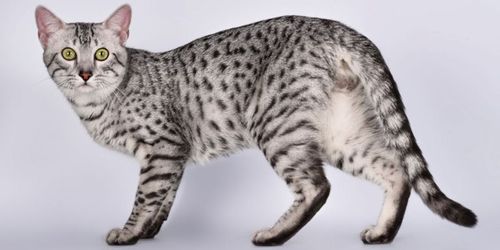
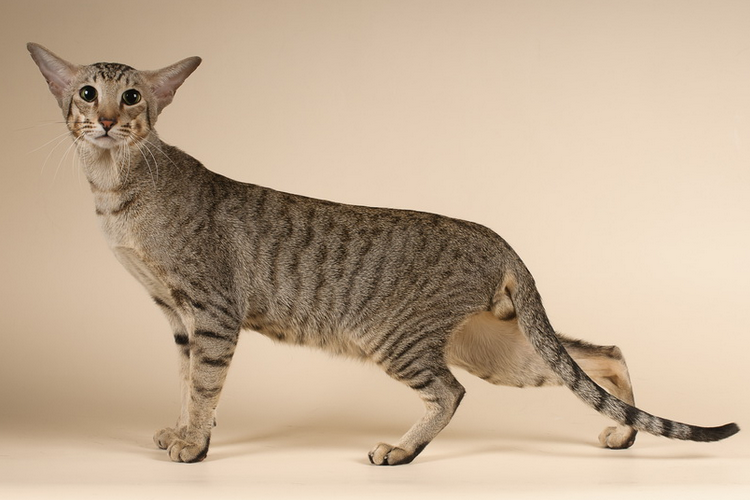
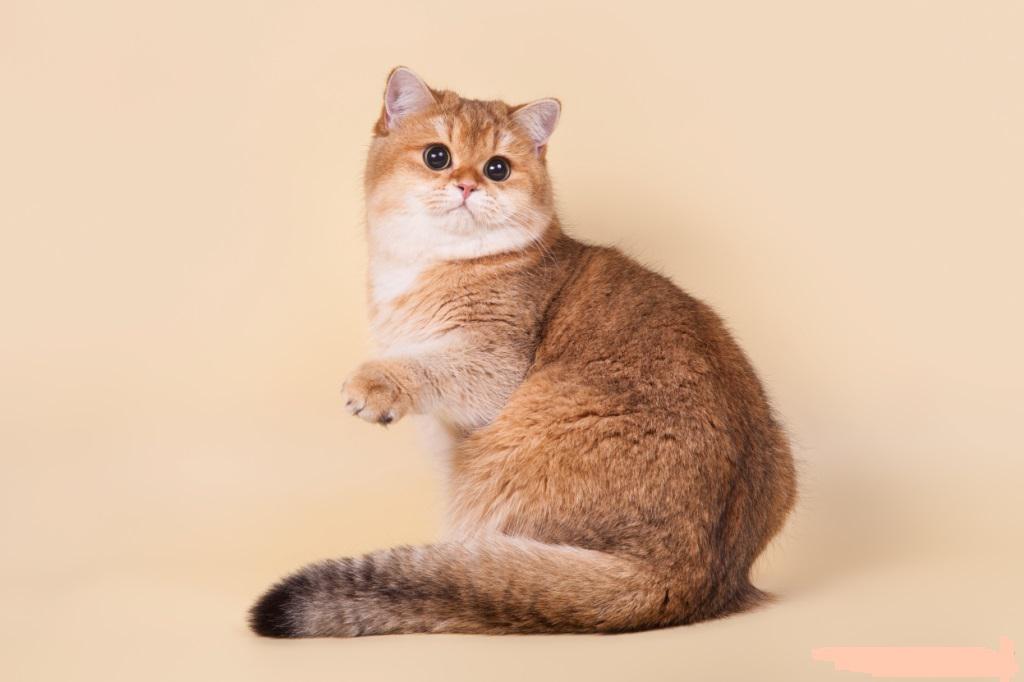
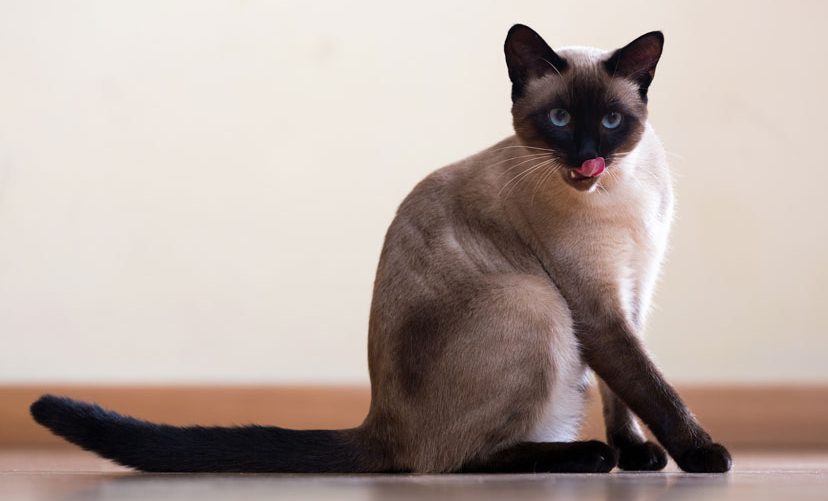
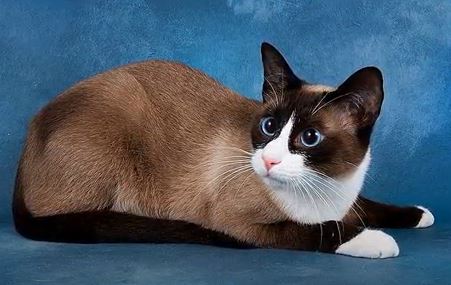
The Ocicat is an all-domestic breed of cat that originated in the United States. It resembles a wild cat but has no recent wild DNA in its gene pool. The breed was established from the Siamese and Abyssinian, with American Shorthair also added to the original crosses. This mix of breeds created a healthy, large breed of cat completely different in type and appearance from the source breeds.

Activity Level

Overall daily activity and movement needs.

Good with Children

Compatibility and patience around children.

Good with Other Pets

Ability to live peacefully with other pets.

Vocal Level

How frequently this pet makes vocal sounds.

Grooming Needs

Amount of grooming required to maintain coat and health.

Shedding Level

Amount of hair shedding throughout the year.

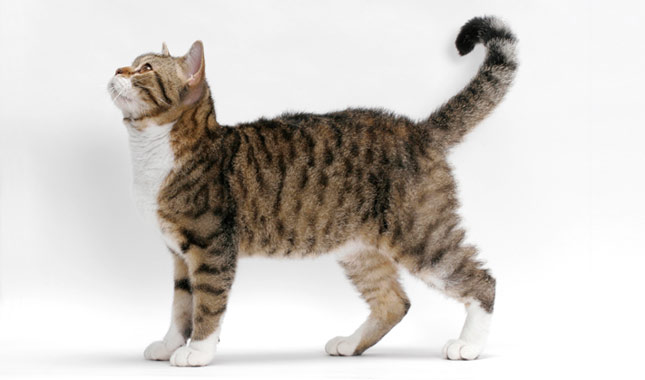
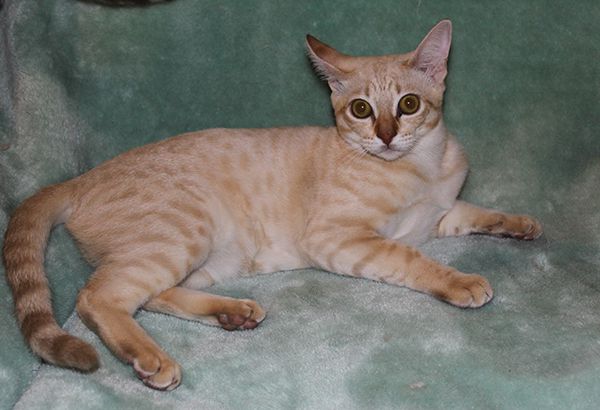
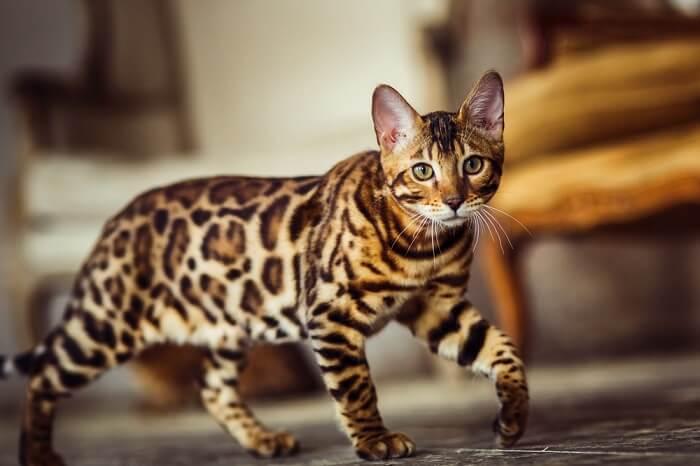
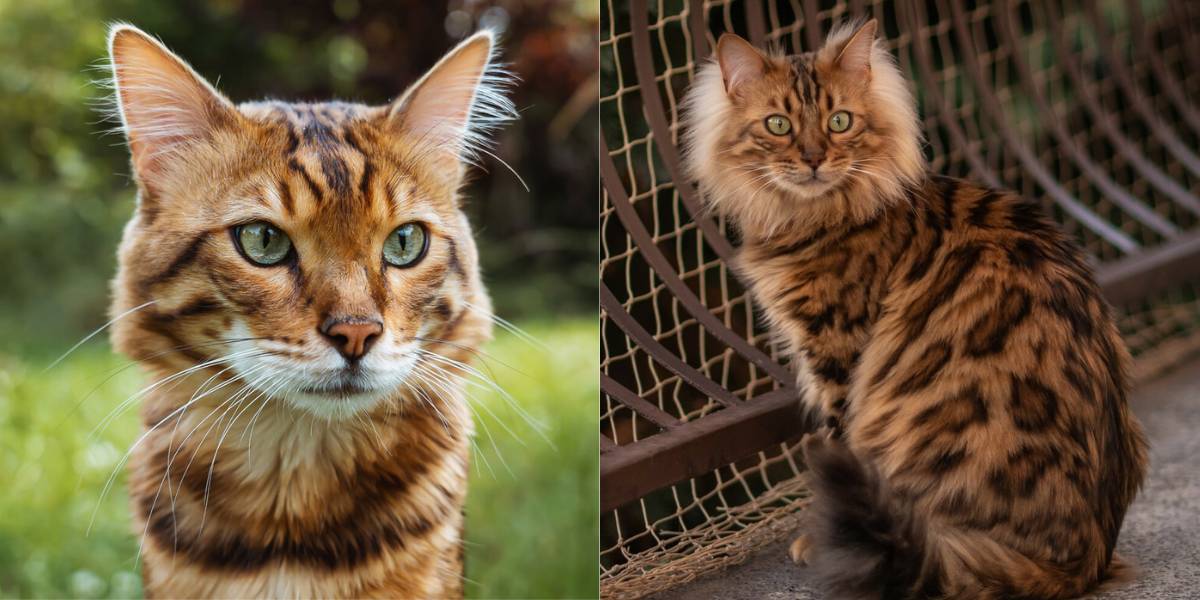
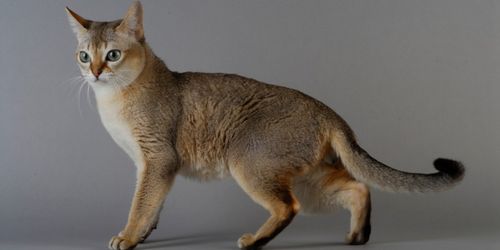
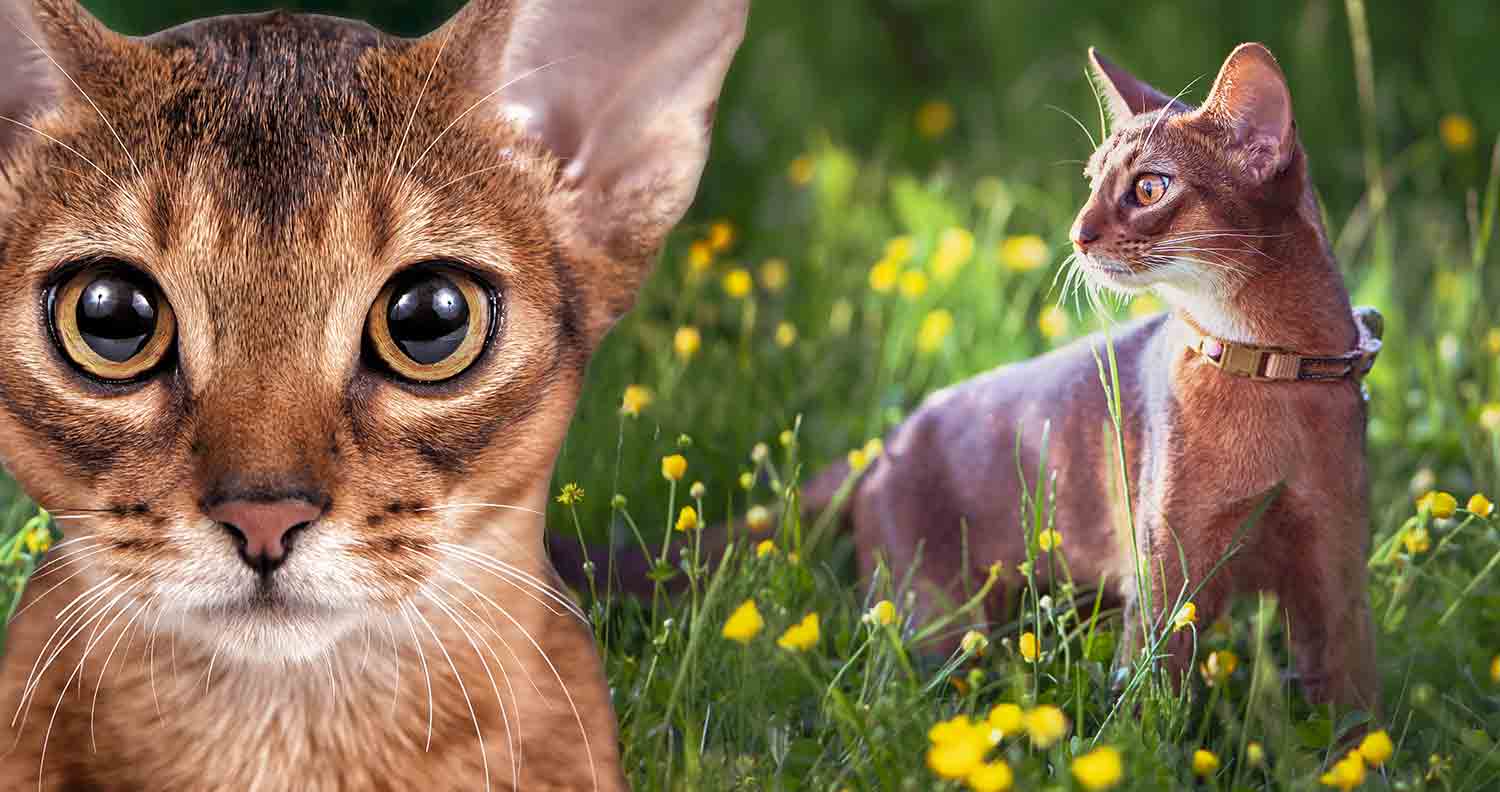
Ocicats have almond-shaped eyes, a large, strong body, muscular legs, and powerful, oval-shaped paws. Their head is a wedge shape, longer than wide. Their ears are tilted at a 45-degree angle. One of the most striking things about this breed is the large, thumbprint-shaped contrasting spots. Females weigh from 6 to 9 pounds on average, and males from 9 to 15.
Ocicats are playful and enjoy a variety of toys. They are agile and motivated by play. Given these attributes, the Ocicat requires more attention from its owners than most breeds. They do get along well with other animals and people, however, and appreciate an animal companion to keep them company if left alone for any length of time.
Ocicats have inherited personality traits from both Siamese and Abyssinians. They are friendly and sociable, often greeting your guests. They are ideal pets for most households, generally tolerating gentle children and other pets. Their temperament is often described as that of a “dog in a cat’s body”. Most can be trained to fetch, walk on a leash and harness, come when called, speak, sit, lie down on command and other canine-style tricks.
Ocicats are generally healthy cats, but regular vet check-ups are essential to ensure their well-being. They also require a balanced diet and plenty of playtime to keep them physically and mentally stimulated.
Major concerns: None
Minor concerns: Obesity if overfed
Occasionally seen: Dental issues
Suggested tests: Regular vet check-ups
Life span: 15-20 years

The first breeder of Ocicats was Virginia Daly, of Berkley, Michigan, who attempted to breed an Abyssinian-pointed Siamese in 1964. Today the Ocicat is found all around the world, popular for its all-domestic temperament but wild appearance. Its legacy as a

versatile and loving companion continues to endear it to cat lovers worldwide.
Latest Articles