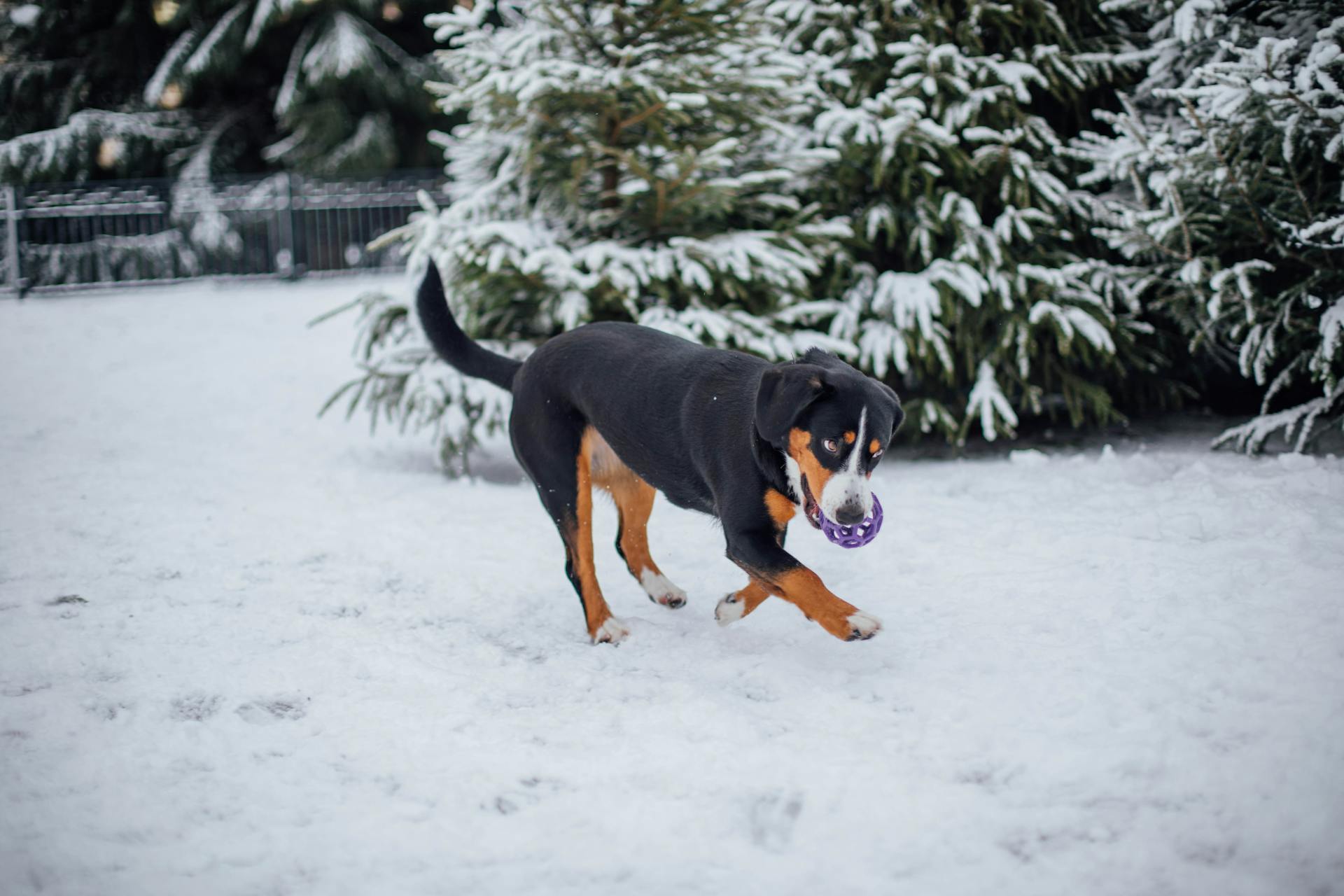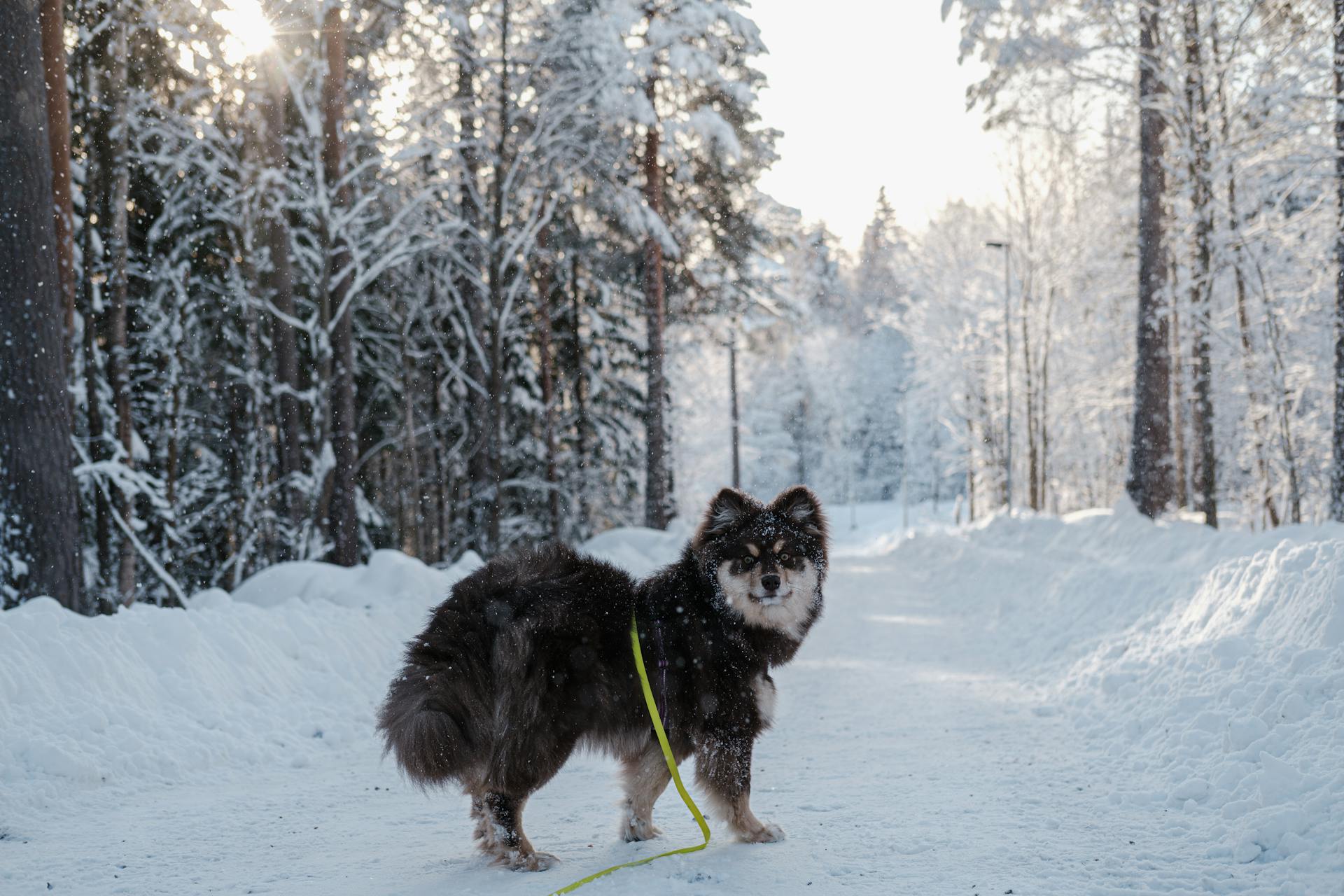
Australian Shepherd

Despite its name, the Australian Shepherd did not originate in Australia but was developed in the United States through breeding dogs brought from Australia. Its history traces back to Basque shepherds who migrated first to Australia and then to the western United States with their dogs. These dogs were refined and perfected under the harsh herding conditions of the American frontier.

Energy Level

Natural energy and enthusiasm throughout the day.

Exercise Needs

Amount of physical activity required to stay healthy.

Playfulness

Willingness to play and engage in games.

Affection Level

Tendency to show affection toward humans.

Dog Friendliness

Friendliness and tolerance toward other dogs.

Pet Friendliness

How well this pet gets along with other animals.

Stranger Friendliness

Reaction toward unfamiliar people.

Ease of Training

How easy it is to train and teach commands.

Watchfulness

Alertness and tendency to notice surroundings.

Vocality

Tendency to bark, meow, or make other sounds.

Grooming Requirements

Level of grooming effort needed on a regular basis.

Heat Sensitivity

Sensitivity to hot weather conditions.

Cold Tolerance

Ability to withstand cold temperatures.

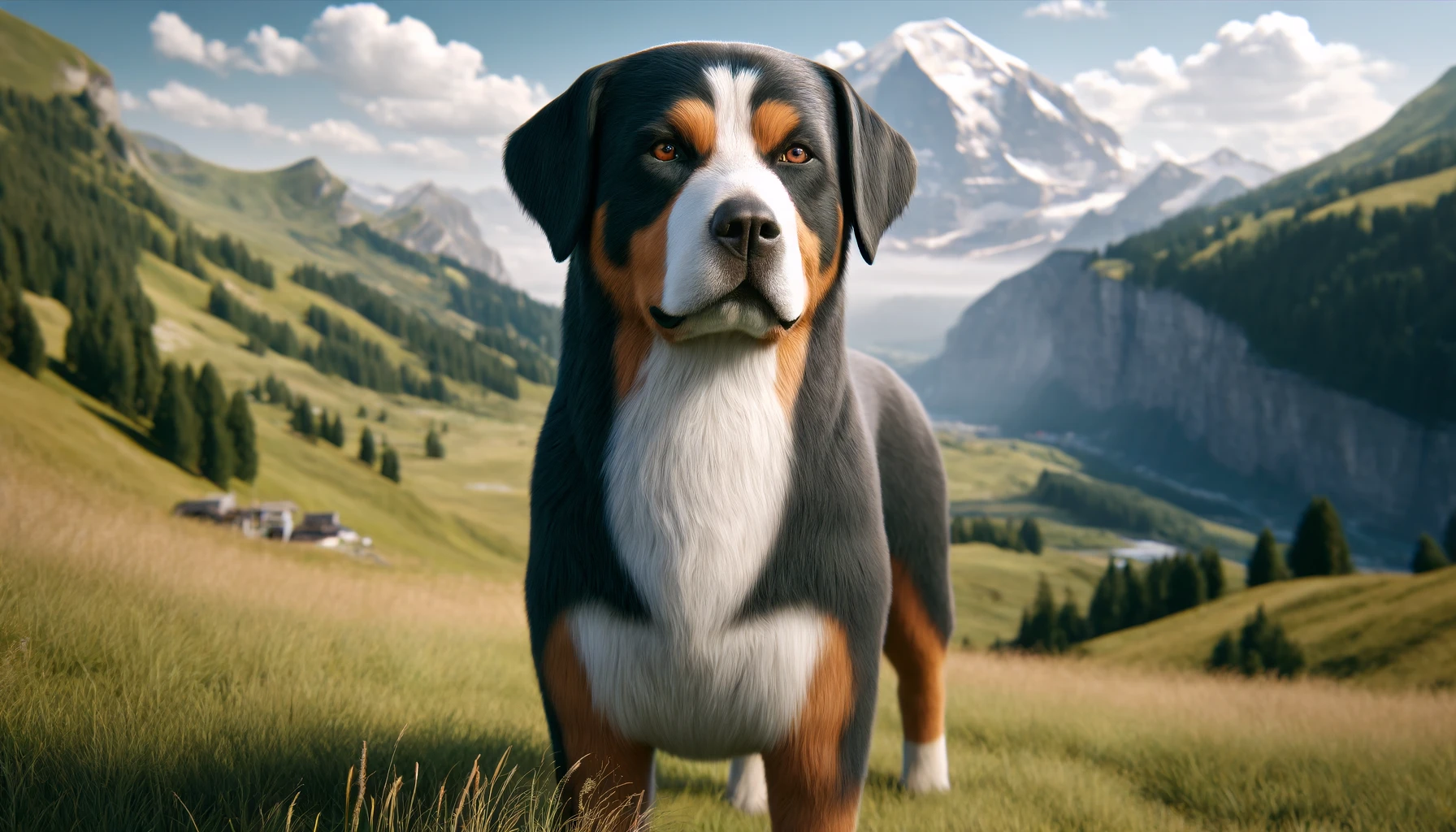
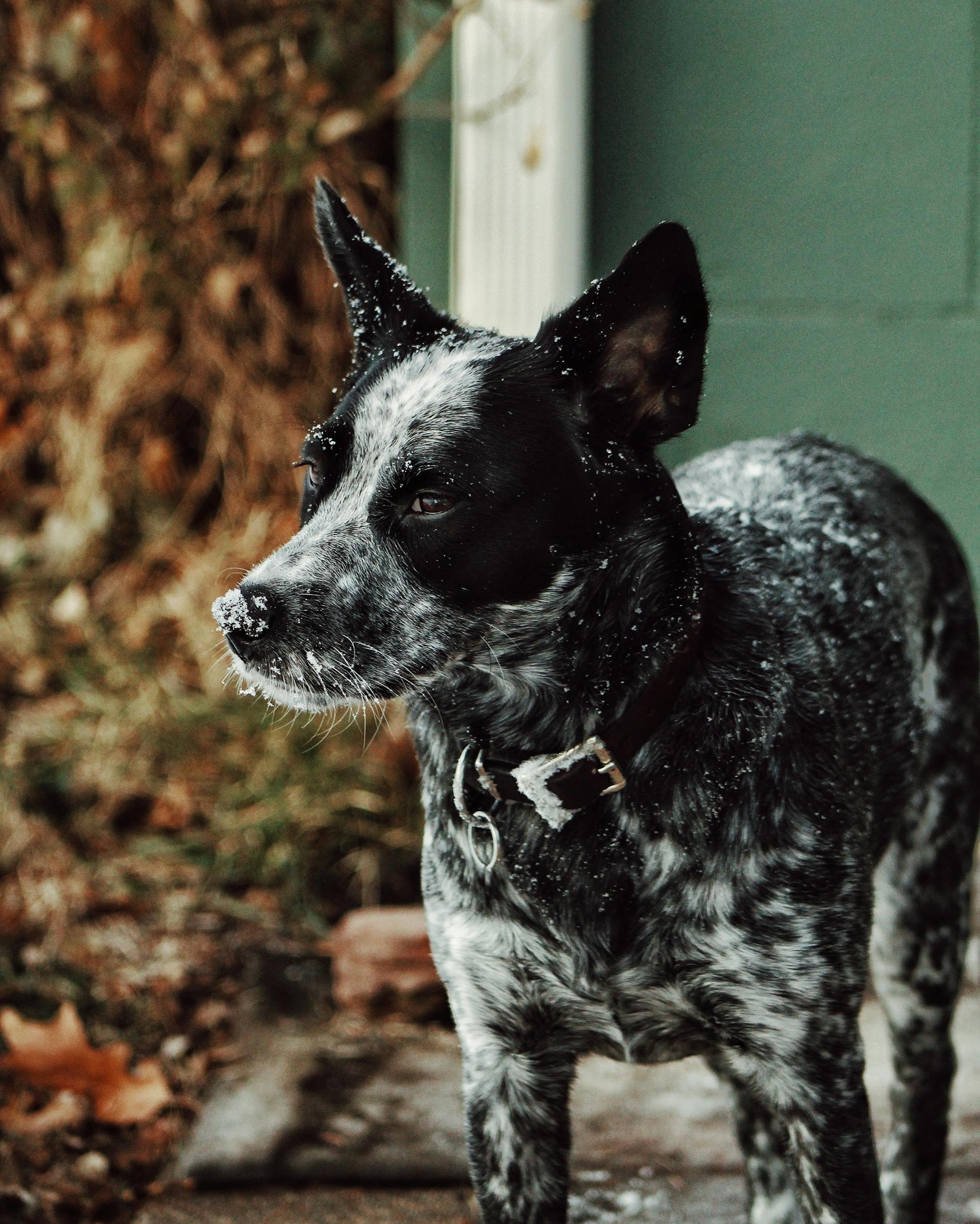
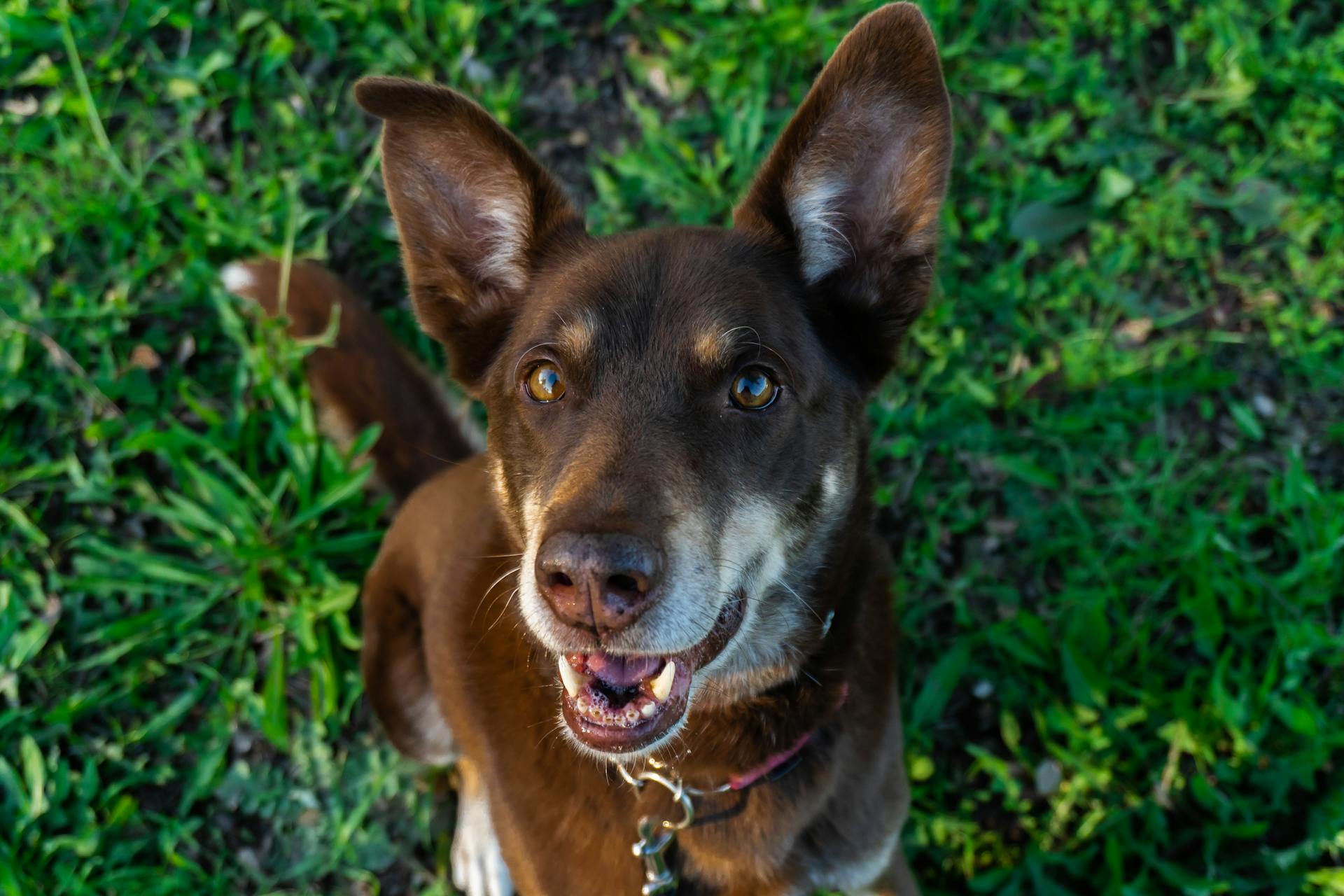
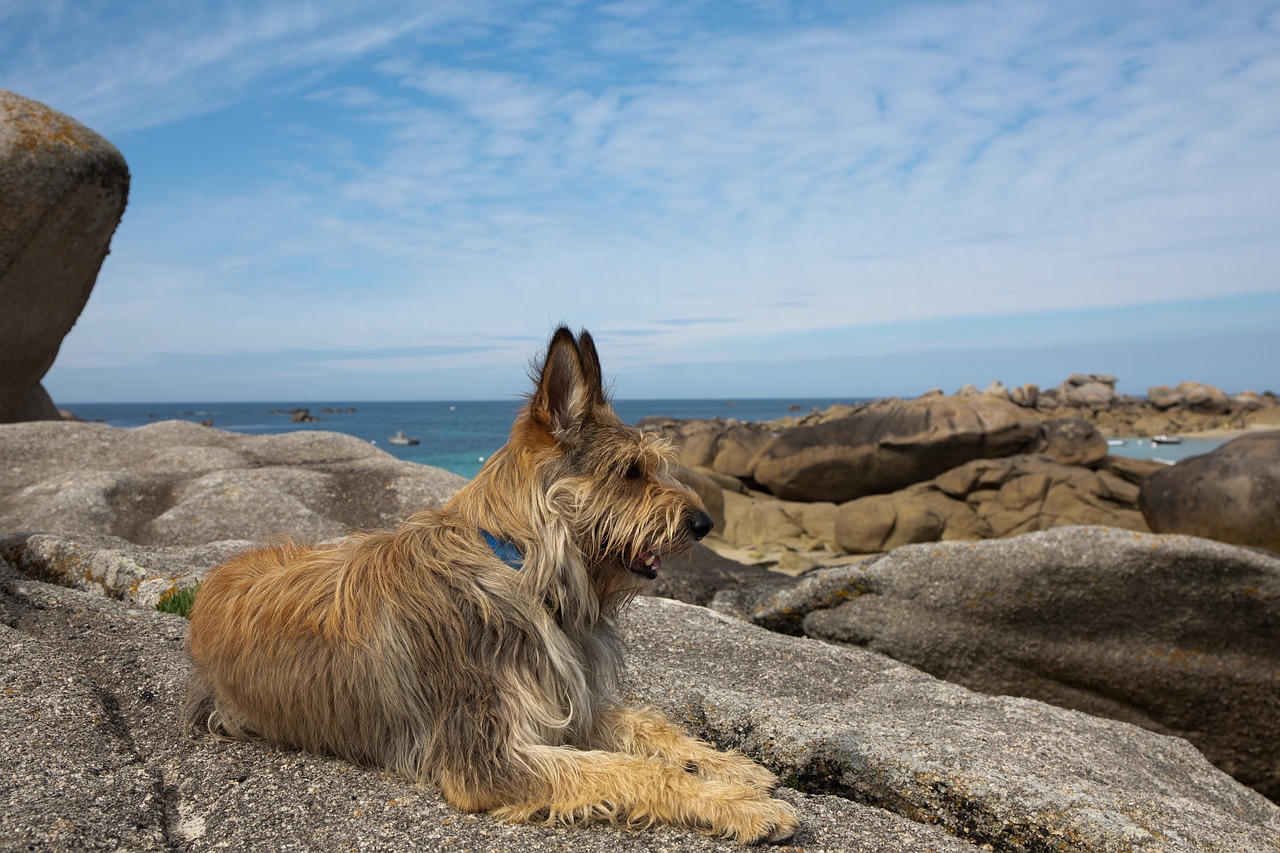
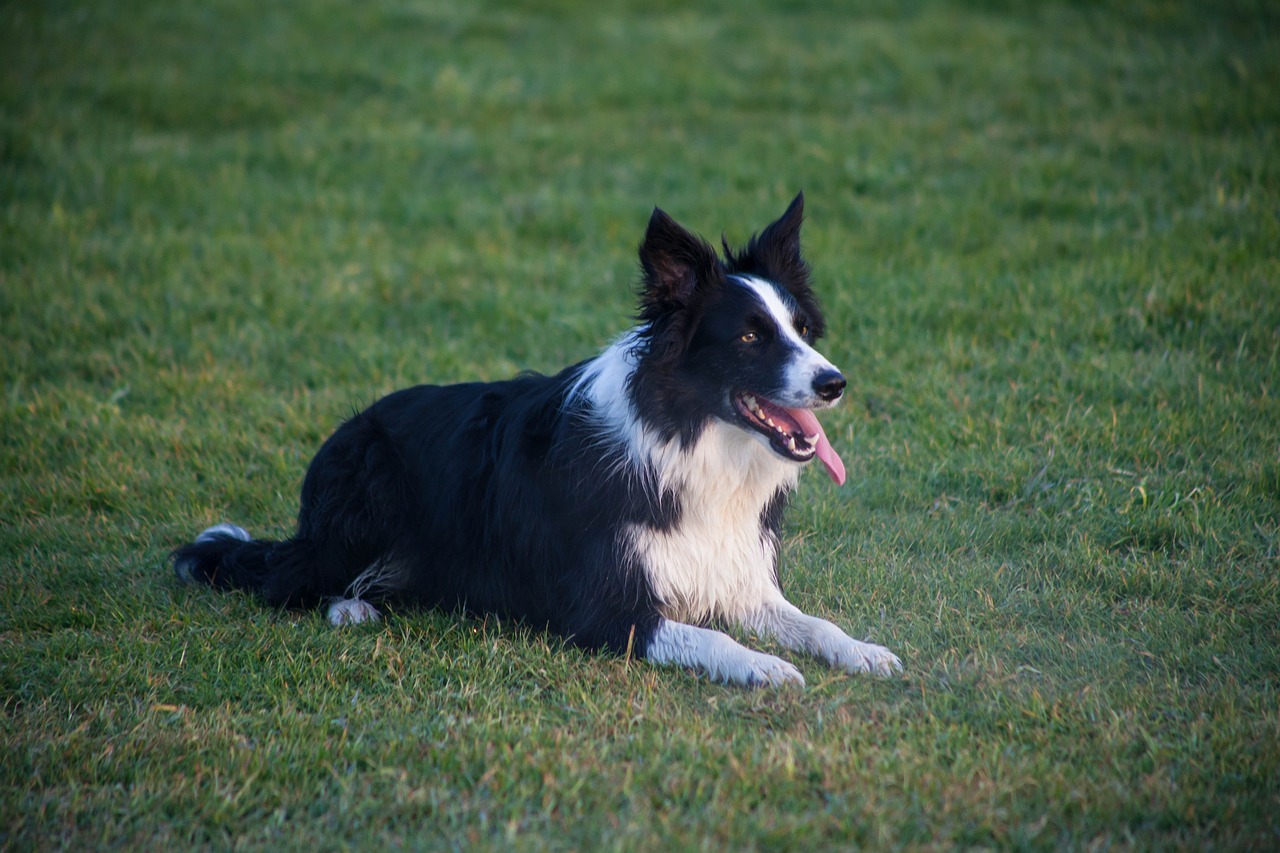
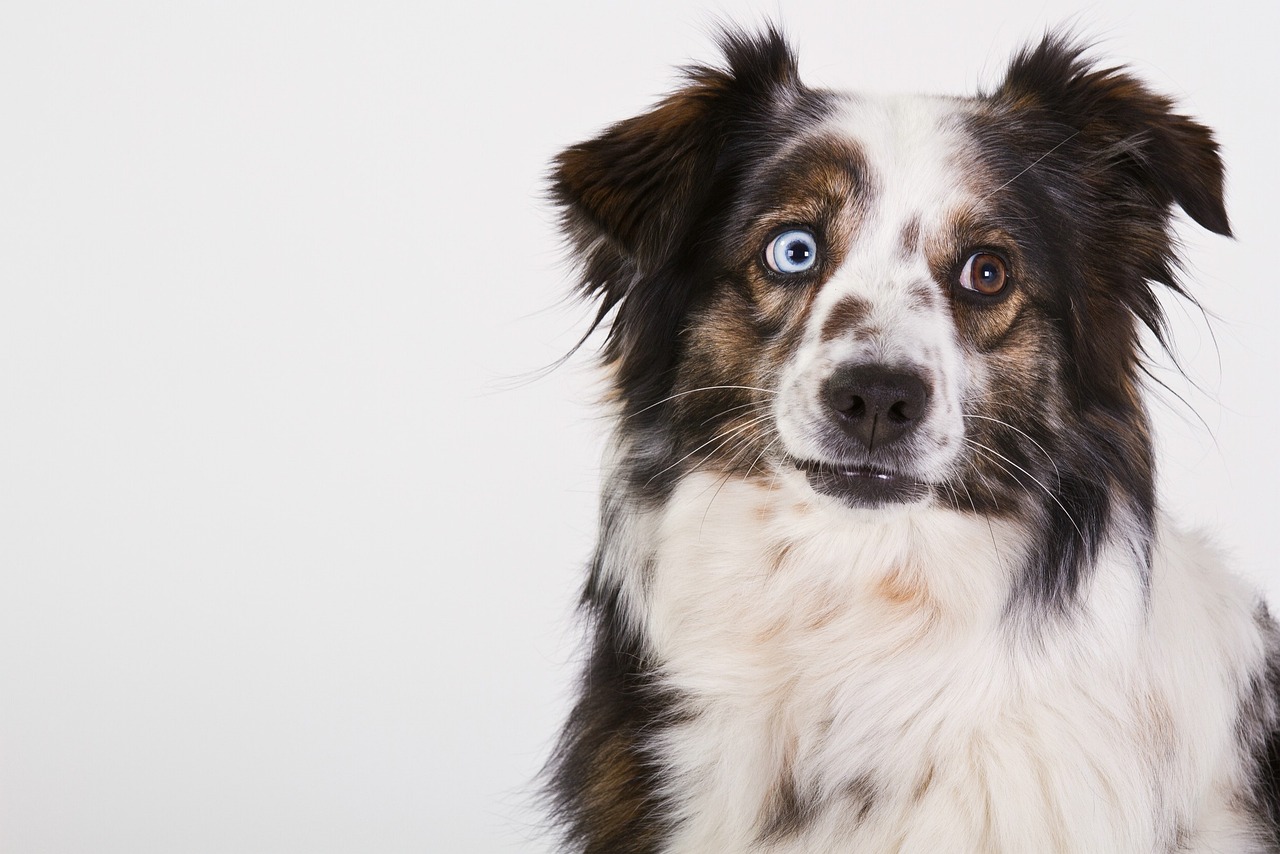
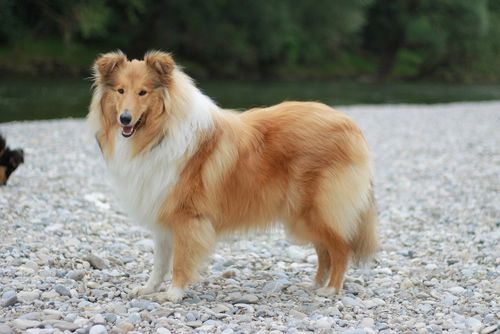
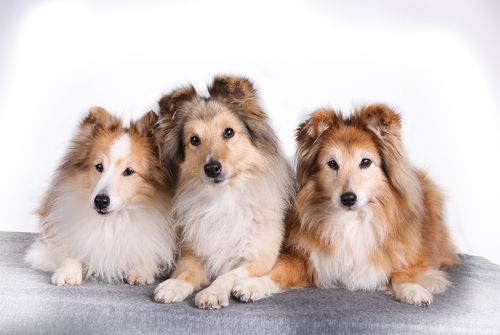
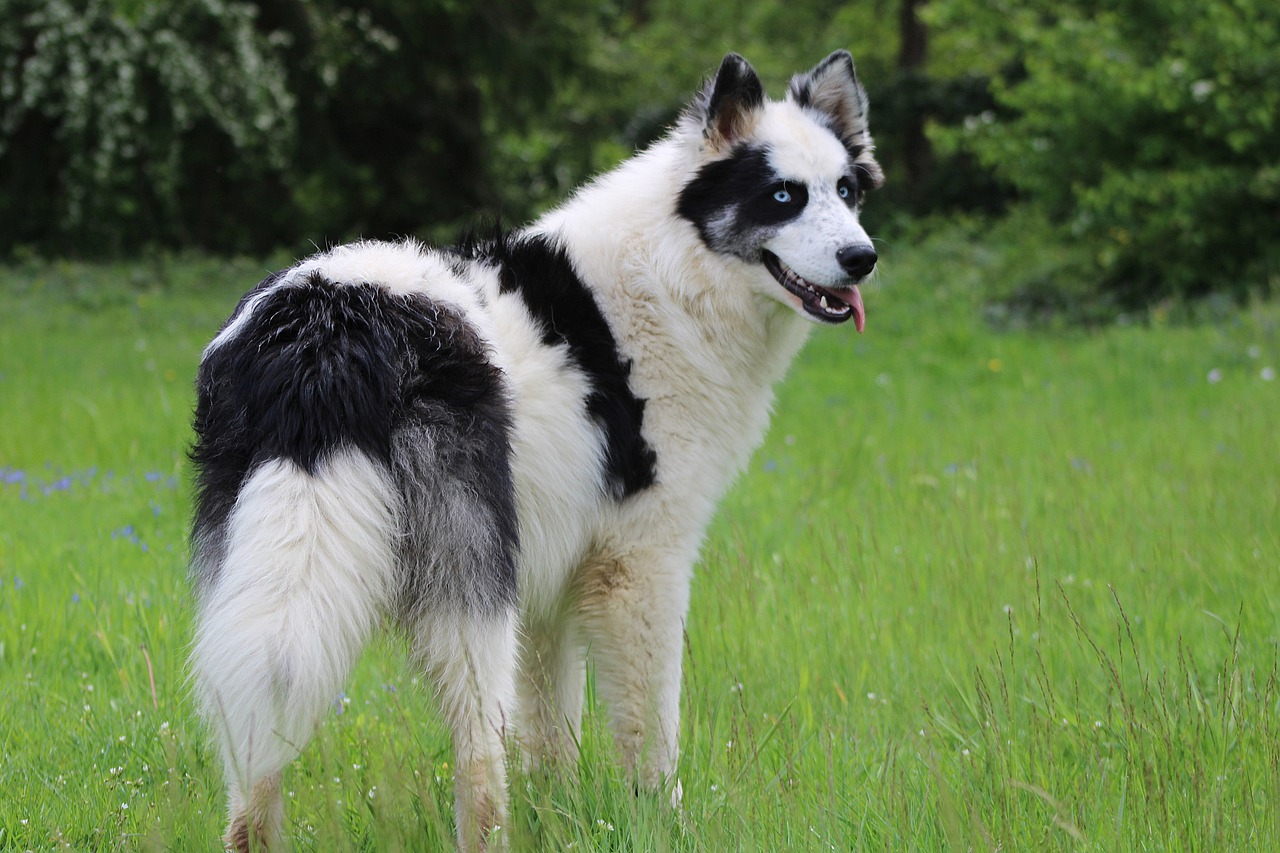
The Australian Shepherd is a medium-sized, well-balanced dog with a flexible and muscular build that allows it to work efficiently without sacrificing speed. The coat is weather-resistant, ranging from straight to wavy, and comes in various colors, including blue merle, red merle, black, and red, all of which may have white markings and/or tan points. Its expression is intelligent and eager, reflecting its alert and responsive nature.
The Australian Shepherd is known for its smooth and free gait, able to move quickly and change direction or speed instantaneously. This is crucial for herding and navigating obstacles in agility competitions.
Australian Shepherds are friendly, bold, alert, and independent. They are highly intelligent and responsive, making them easy to train but requiring significant mental and physical stimulation. Without adequate exercise and activities, they may become frustrated and exhibit problem behaviors. They are reserved with strangers and protective, a trait linked to their herding instincts, which can lead to nipping at children and small animals.
Australian Shepherds need ample daily exercise and mental challenges to stay healthy and satisfied. Their coat requires regular brushing, especially during shedding seasons, to keep it clean and reduce household fur accumulation. Regular baths and nail trimming are also necessary.
Primary concerns: Cataracts, Collie eye anomaly
Secondary concerns: Hip dysplasia, nasal solar dermatitis, Pelger-Huet anomaly, iris coloboma, hypothyroidism
Occasional issues: Sacroiliac joint dysfunction, epilepsy, progressive retinal atrophy, distichiasis, elbow dysplasia
Suggested tests: Hip, eye, thyroid, Collie eye anomaly DNA, elbow
Lifespan: 12-15 years
Note: This breed may be sensitive to ivermectin. Homozygous merles are prone to deafness and blindness.
The Australian Shepherd gained popularity in the 1950s through a popular circus dog act and has since excelled in various roles, including obedience, herding, and agility competitions. The breed was officially recognized by the AKC in 1993. Despite its AKC registration numbers not reflecting its true popularity, the Australian Shepherd remains a favorite among herders and ranch communities for its versatility, intelligence, and work ethic.

Latest Articles