The Labrador Retriever, originally from Newfoundland, was developed in the United Kingdom in the 19th century. It was initially bred as a working dog for retrieving game and assisting fishermen. The breed’s exceptional retrieving abilities and friendly disposition quickly made it a favorite among hunters and families alike.
Energy Level
Natural energy and enthusiasm throughout the day.
Exercise Needs
Amount of physical activity required to stay healthy.
Playfulness
Willingness to play and engage in games.
Affection Level
Tendency to show affection toward humans.
Dog Friendliness
Friendliness and tolerance toward other dogs.
Pet Friendliness
How well this pet gets along with other animals.
Stranger Friendliness
Reaction toward unfamiliar people.
Ease of Training
How easy it is to train and teach commands.
Watchfulness
Alertness and tendency to notice surroundings.
Vocality
Tendency to bark, meow, or make other sounds.
Grooming Requirements
Level of grooming effort needed on a regular basis.
Heat Sensitivity
Sensitivity to hot weather conditions.
Cold Tolerance
Ability to withstand cold temperatures.
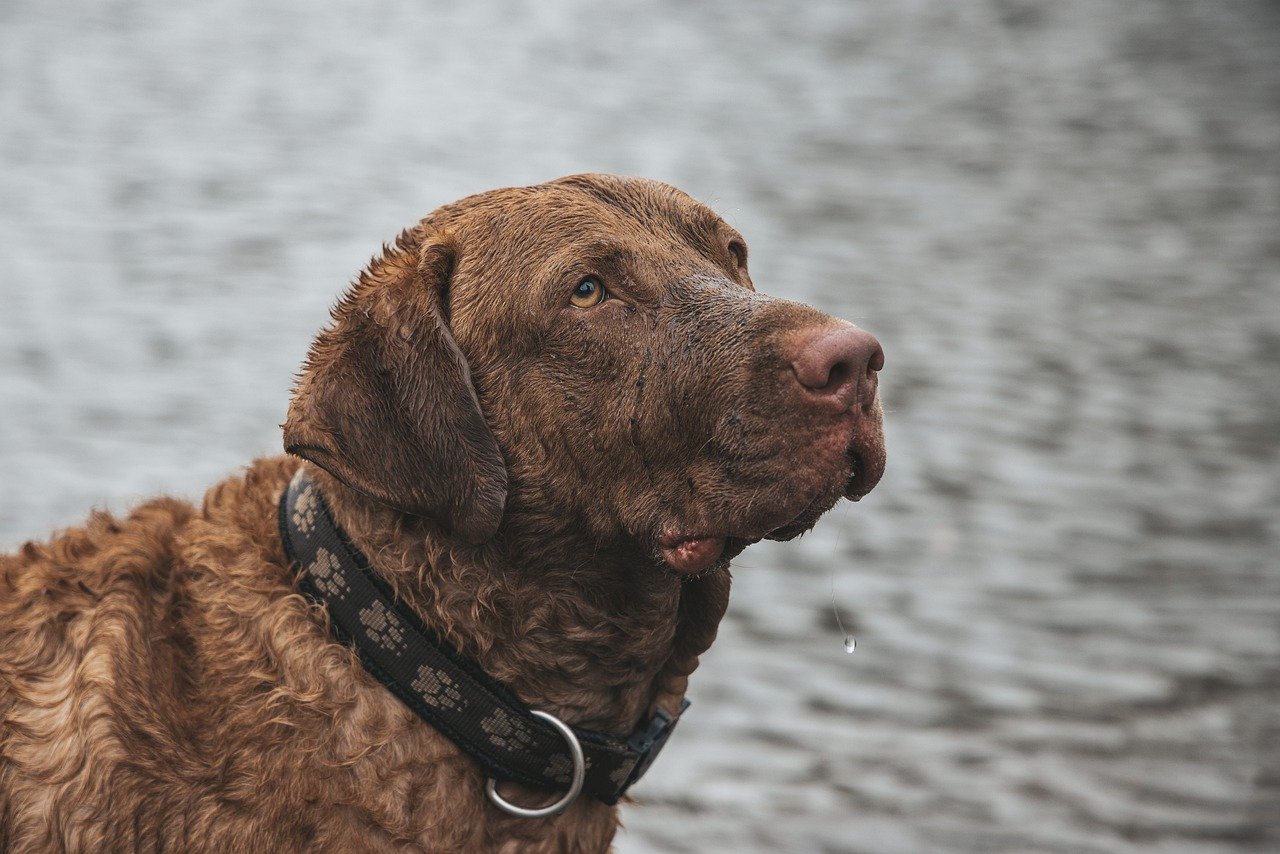
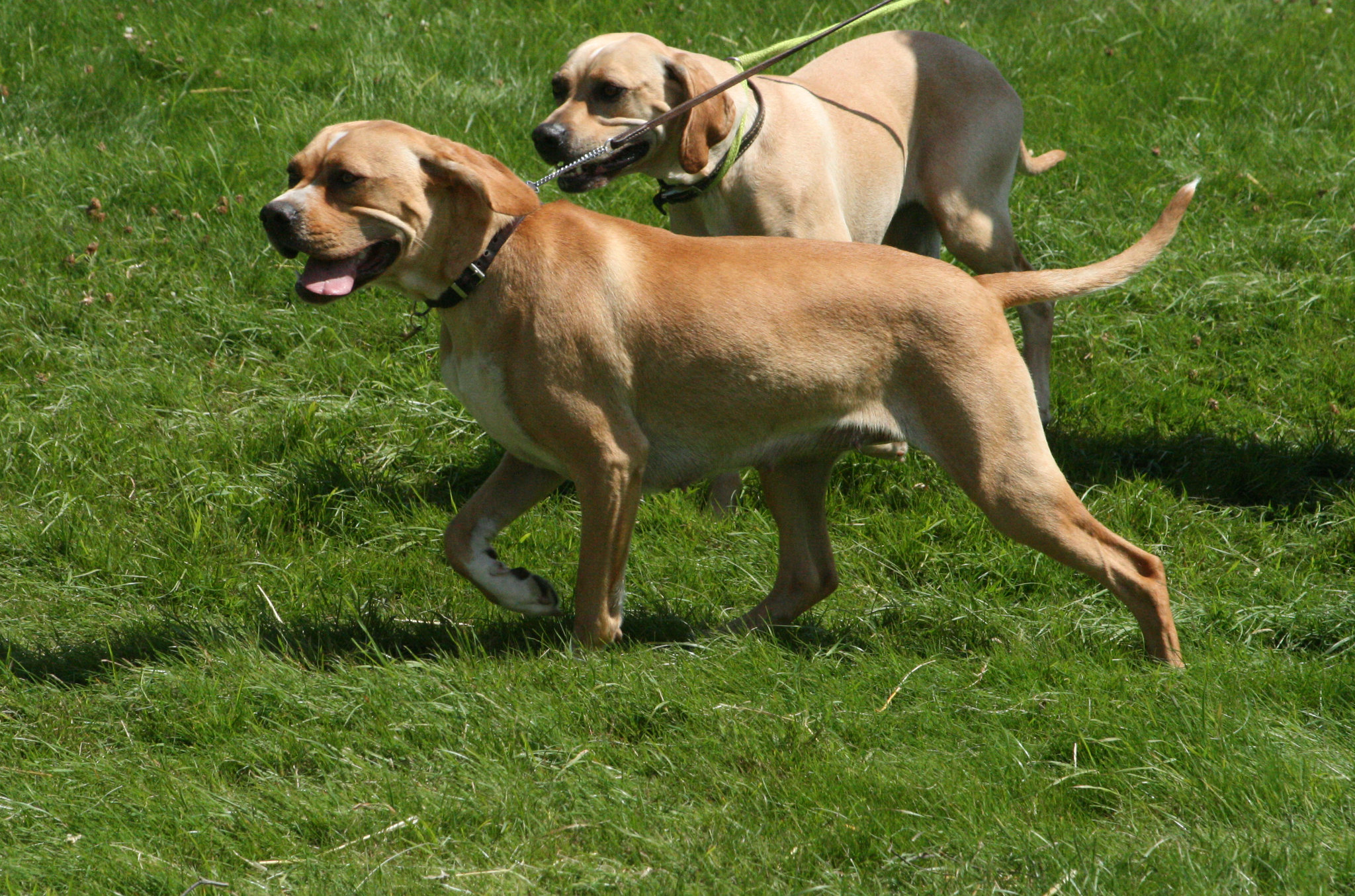
Labrador Retrievers are known for their athletic and muscular build. They have a short, dense, water-resistant coat that comes in three standard colors: black, yellow, and chocolate. Their expressive eyes and friendly expression reflect their gentle and outgoing nature.
Labrador Retrievers are energetic and agile dogs with a strong, athletic build. They excel in various physical activities, including retrieving, swimming, and running. Their powerful and efficient gait makes them excellent working dogs in various roles, from hunting and retrieving to search and rescue.
Labrador Retrievers are renowned for their friendly and outgoing temperament. They are highly intelligent, eager to please, and easy to train, making them excellent companions for families and individuals. Their loyal and affectionate nature makes them great with children and other pets. Labradors are also well-suited for roles as service dogs, therapy dogs, and search and rescue dogs due to their adaptability and gentle disposition.
Labrador Retrievers require regular exercise to maintain their physical and mental health. They enjoy activities like fetching, swimming, and running. Their short coat is relatively low-maintenance but benefits from regular brushing to remove loose hair and keep it healthy. Regular veterinary check-ups are essential to monitor for common health issues such as hip dysplasia and obesity.
Major concerns: hip dysplasia, elbow dysplasia, progressive retinal atrophy (PRA), obesity
Minor concerns: cataracts, allergies
Occasionally seen: epilepsy, heart issues
Suggested tests: hip, elbow, eye, heart
Life span: 10–12 years
The Labrador Retriever’s history as a working and sporting dog has made it one of the most popular breeds worldwide. Its versatility and adaptability have allowed it to excel in various roles, including hunting, retrieving, and service work. Labradors have also made significant contributions to search and rescue operations and therapy work, showcasing their intelligence, loyalty, and gentle nature. The breed’s enduring popularity continues to make it a beloved companion and trusted working dog.