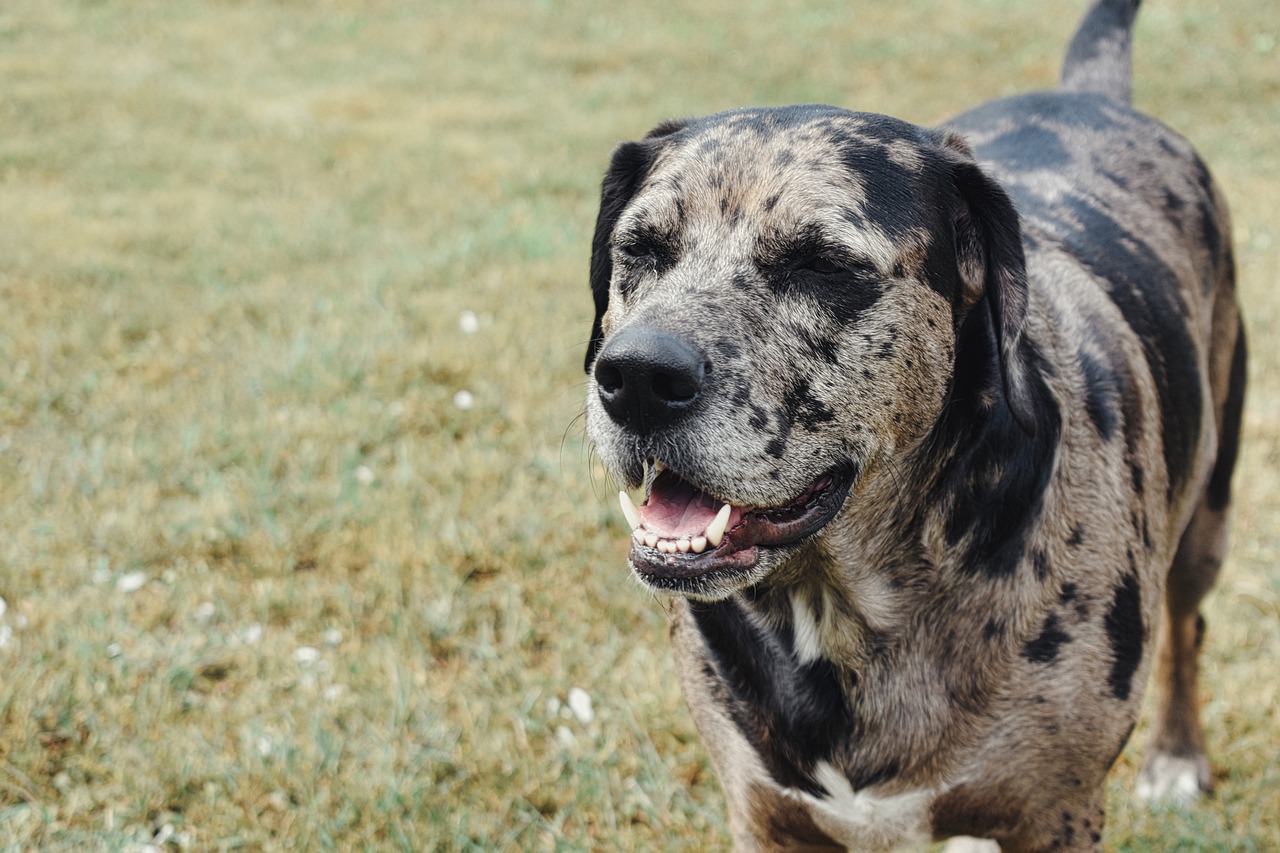
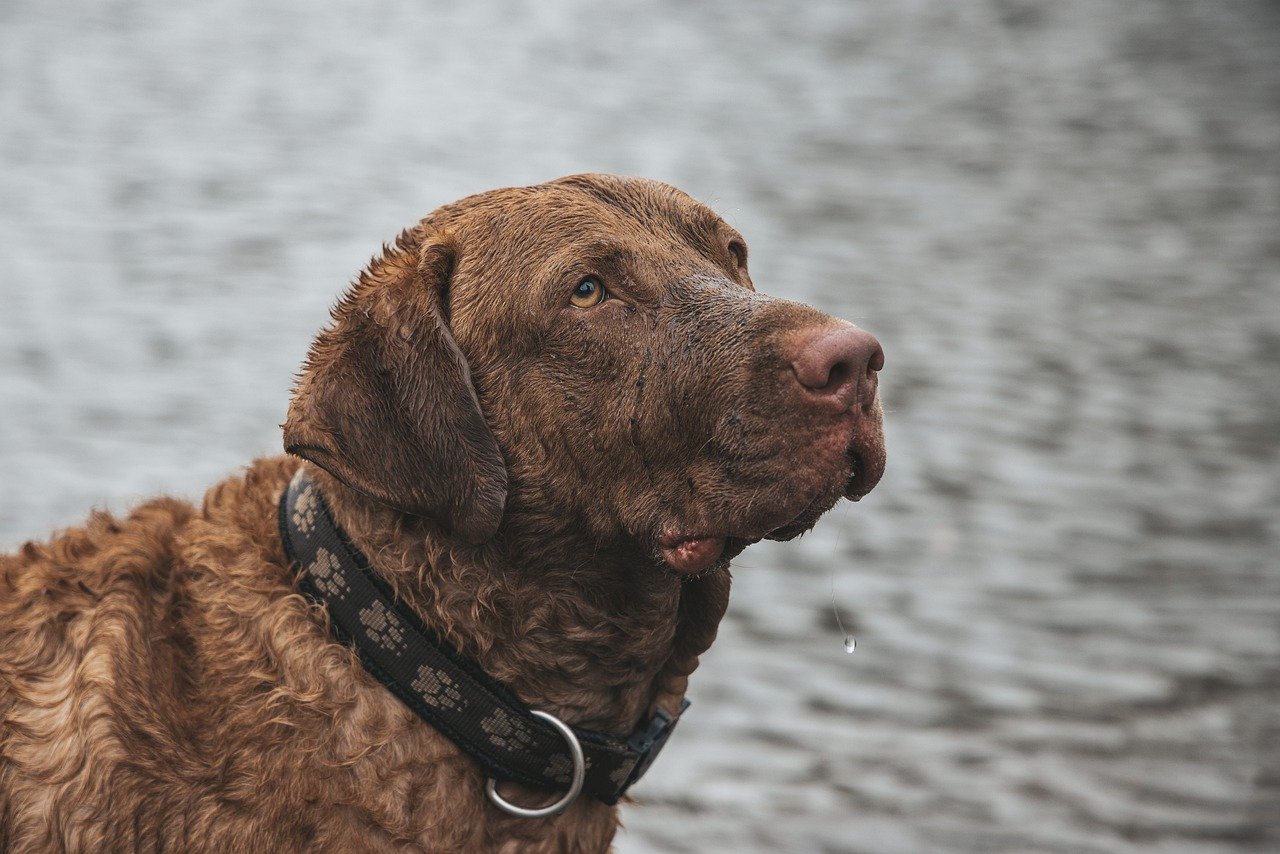
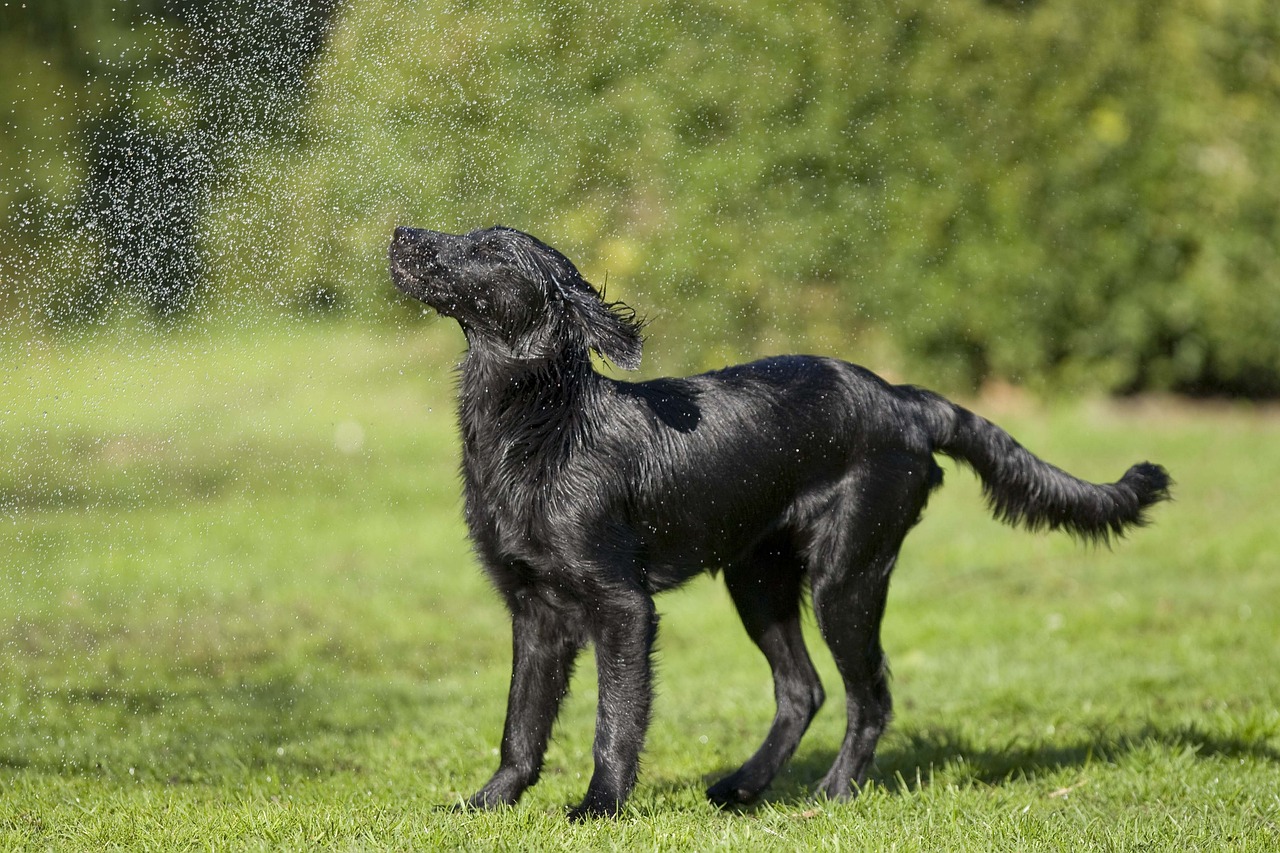
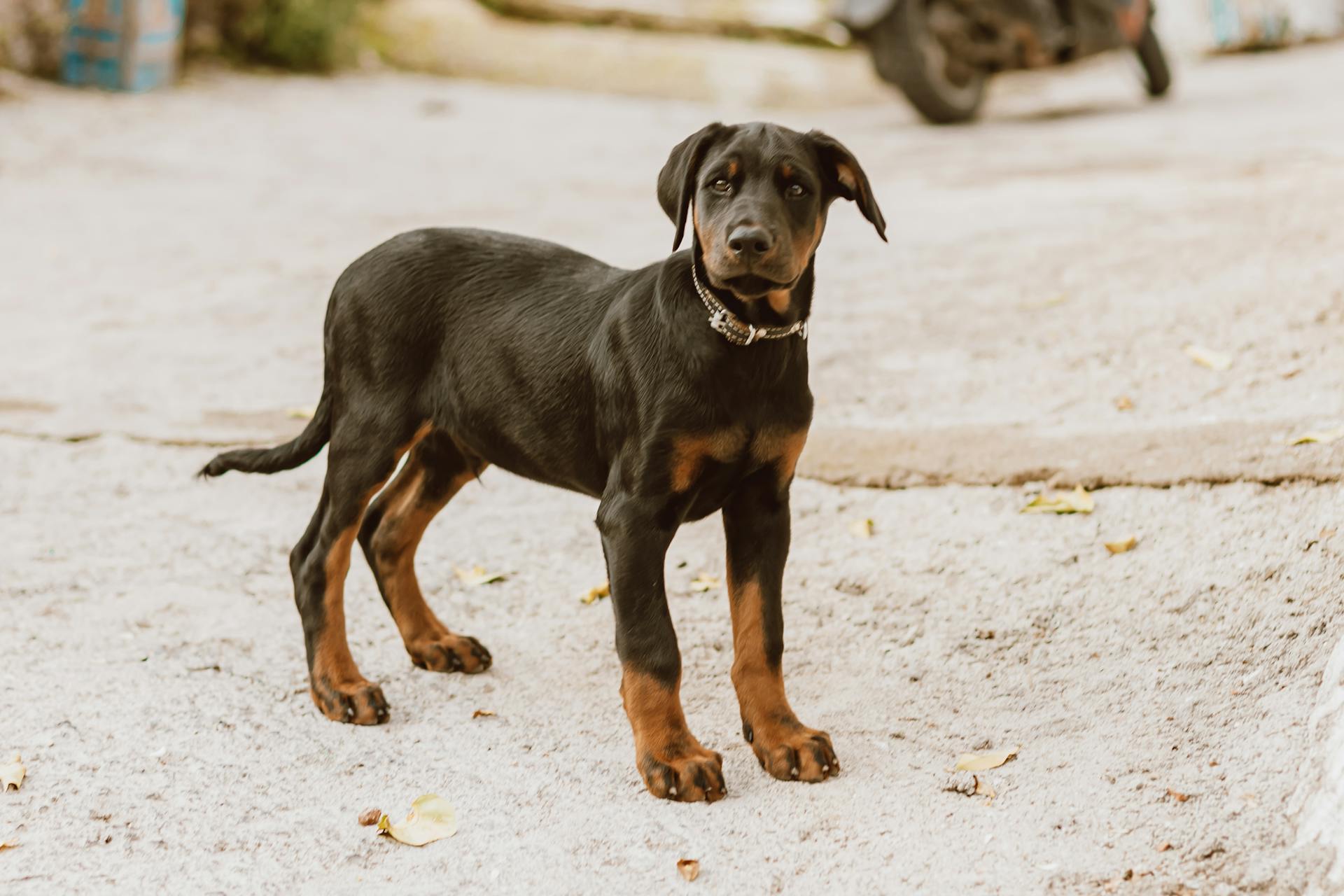
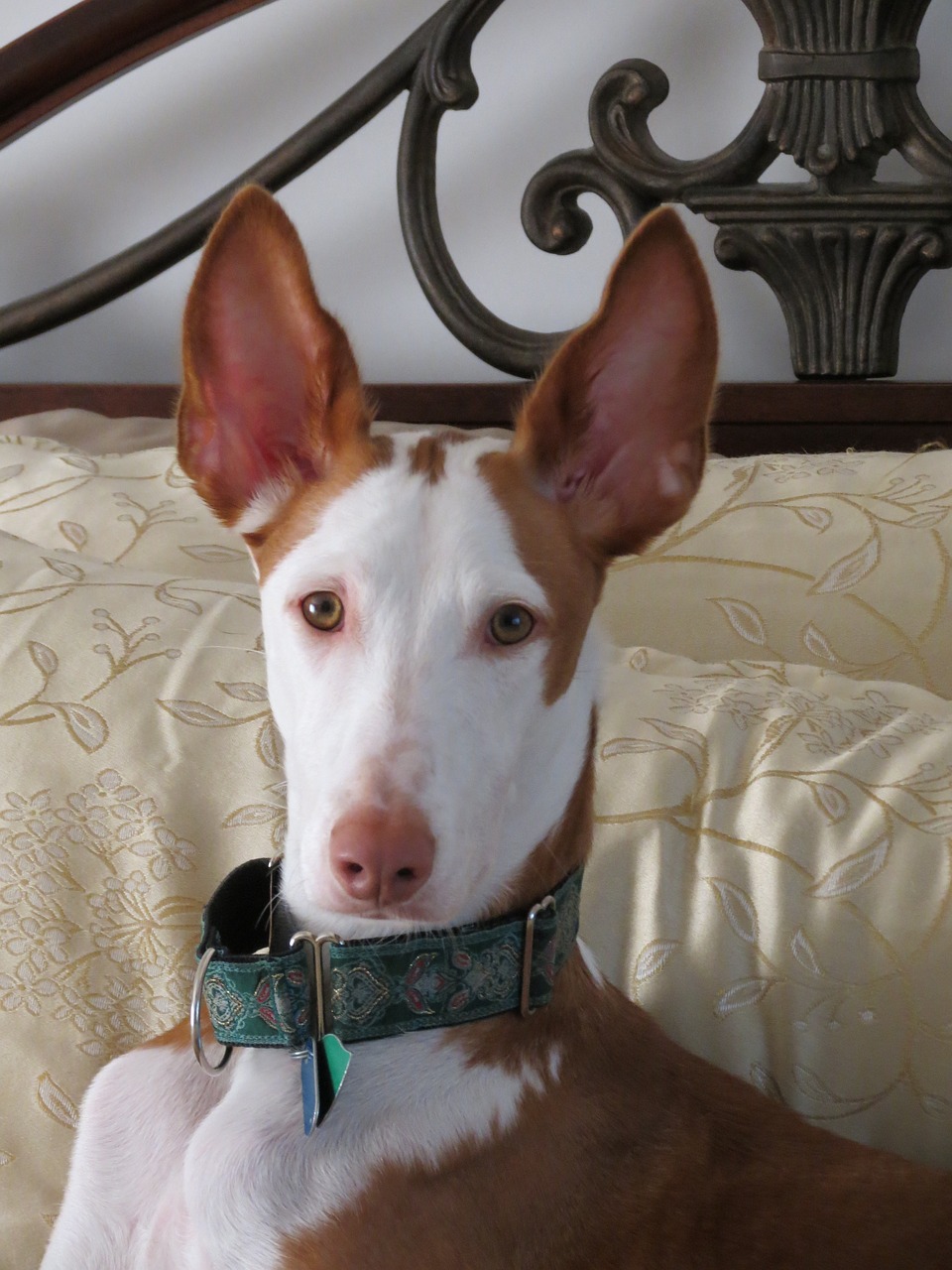
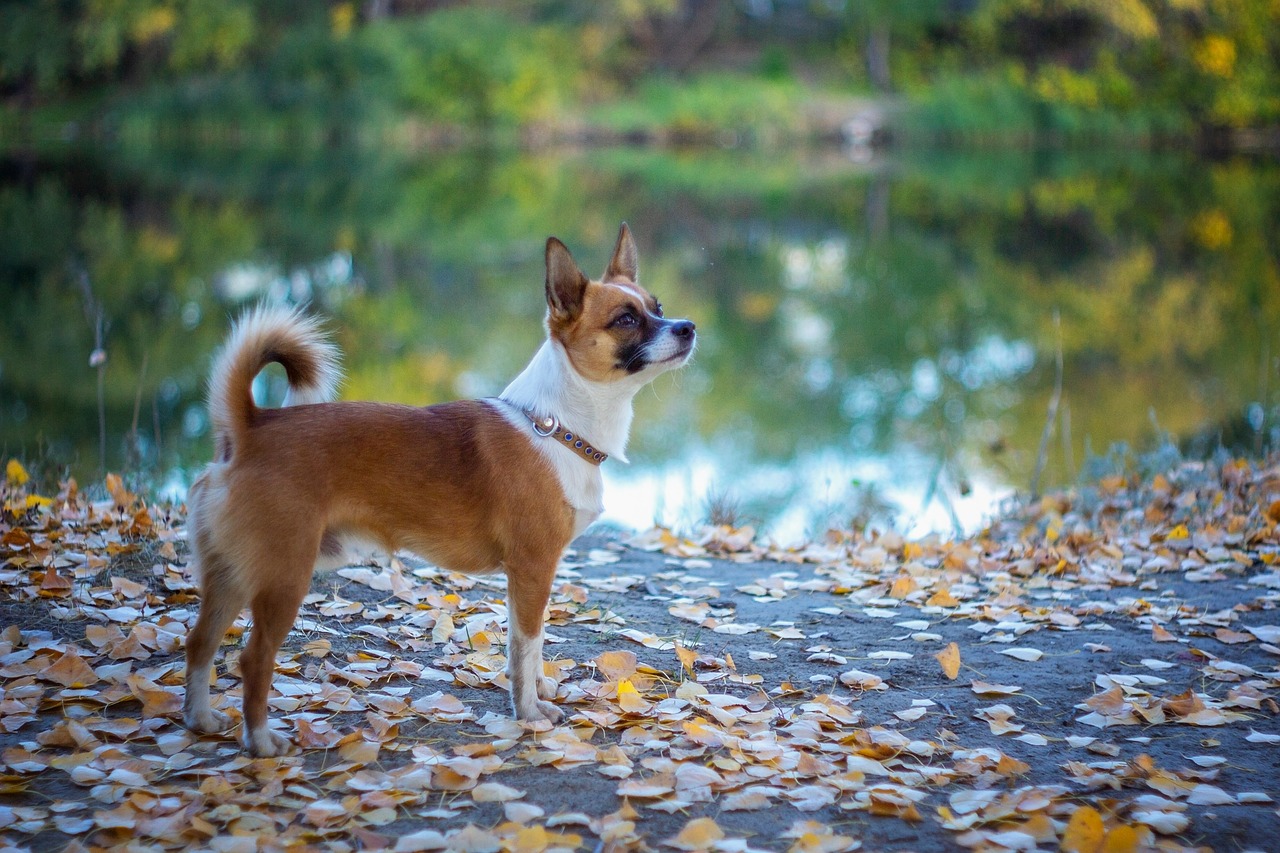
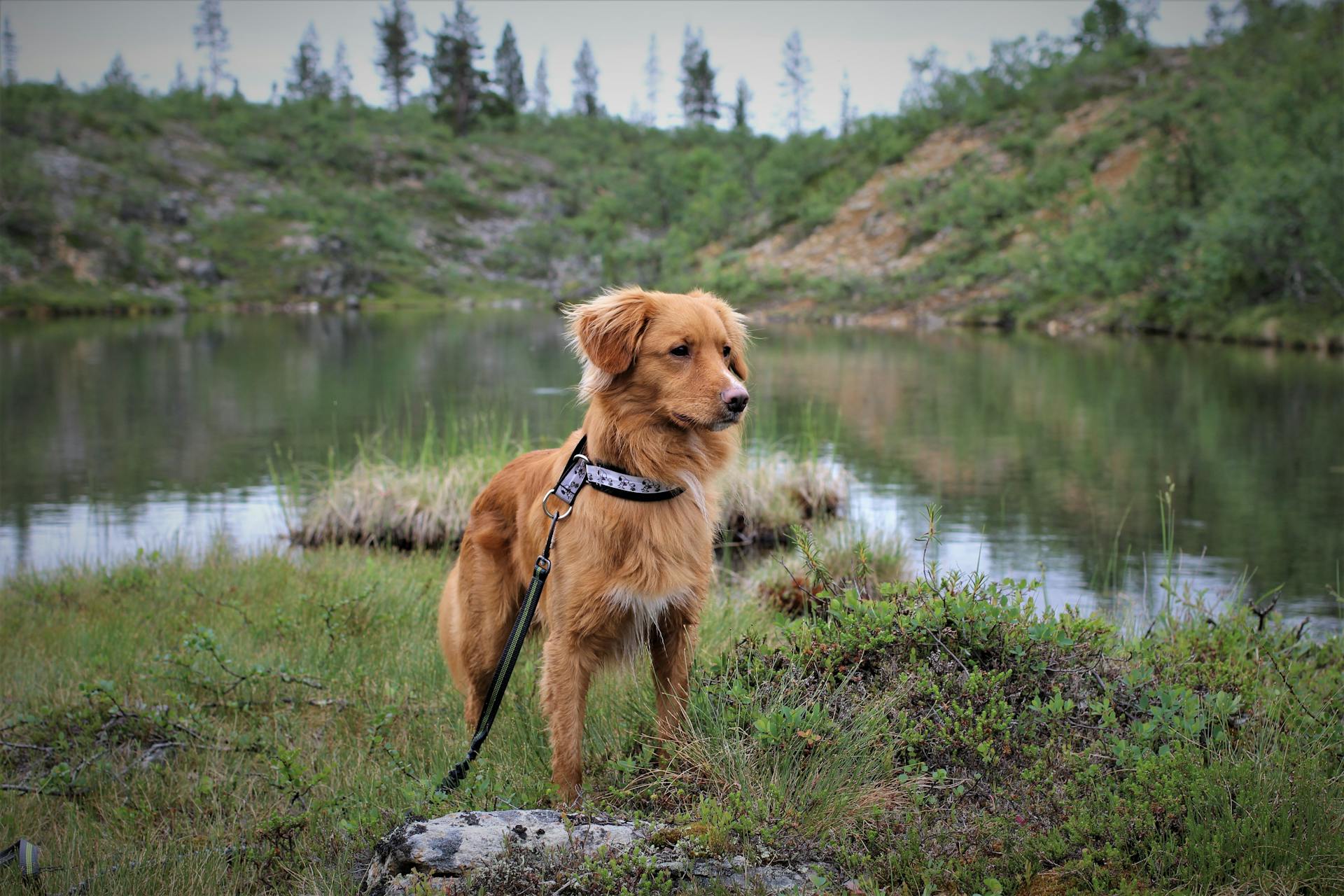
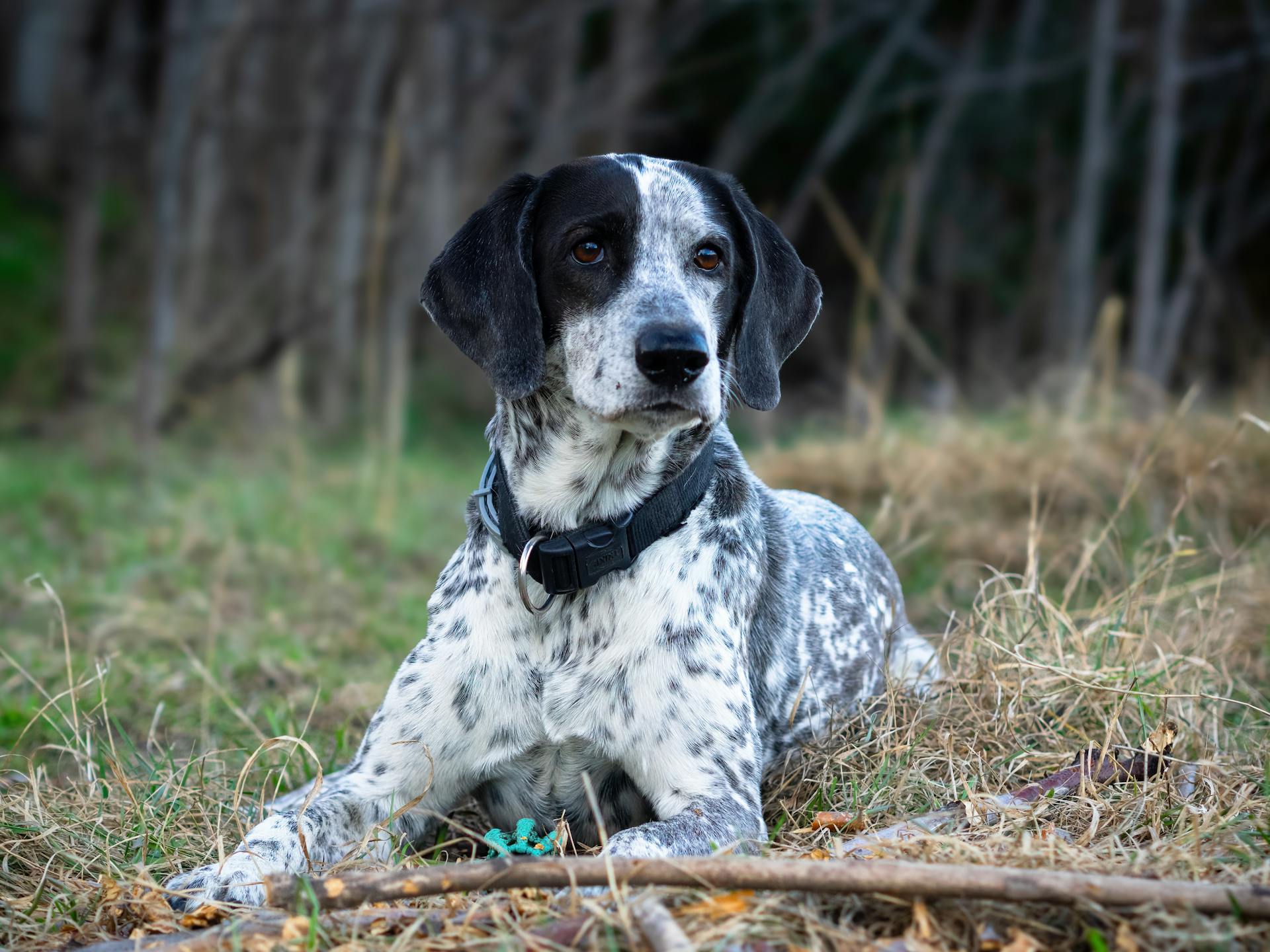
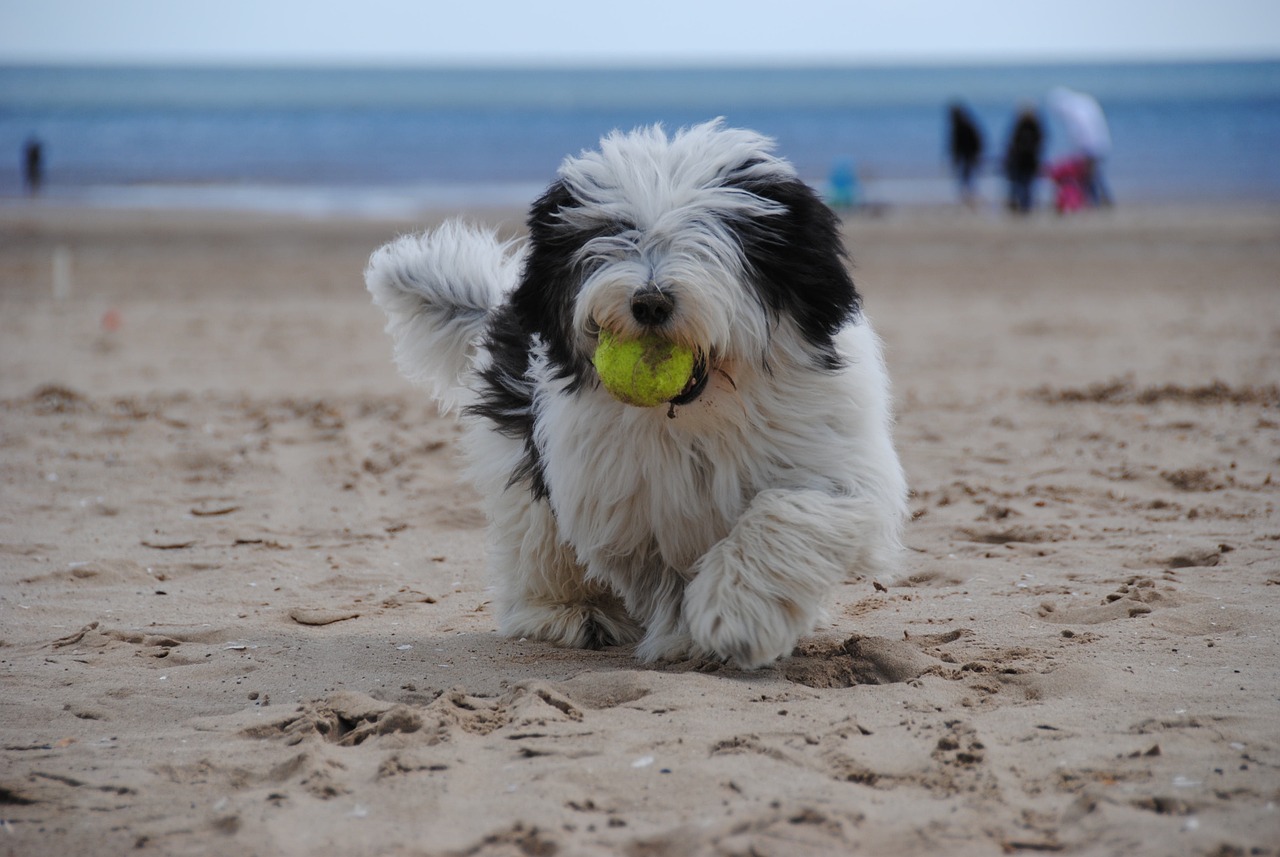
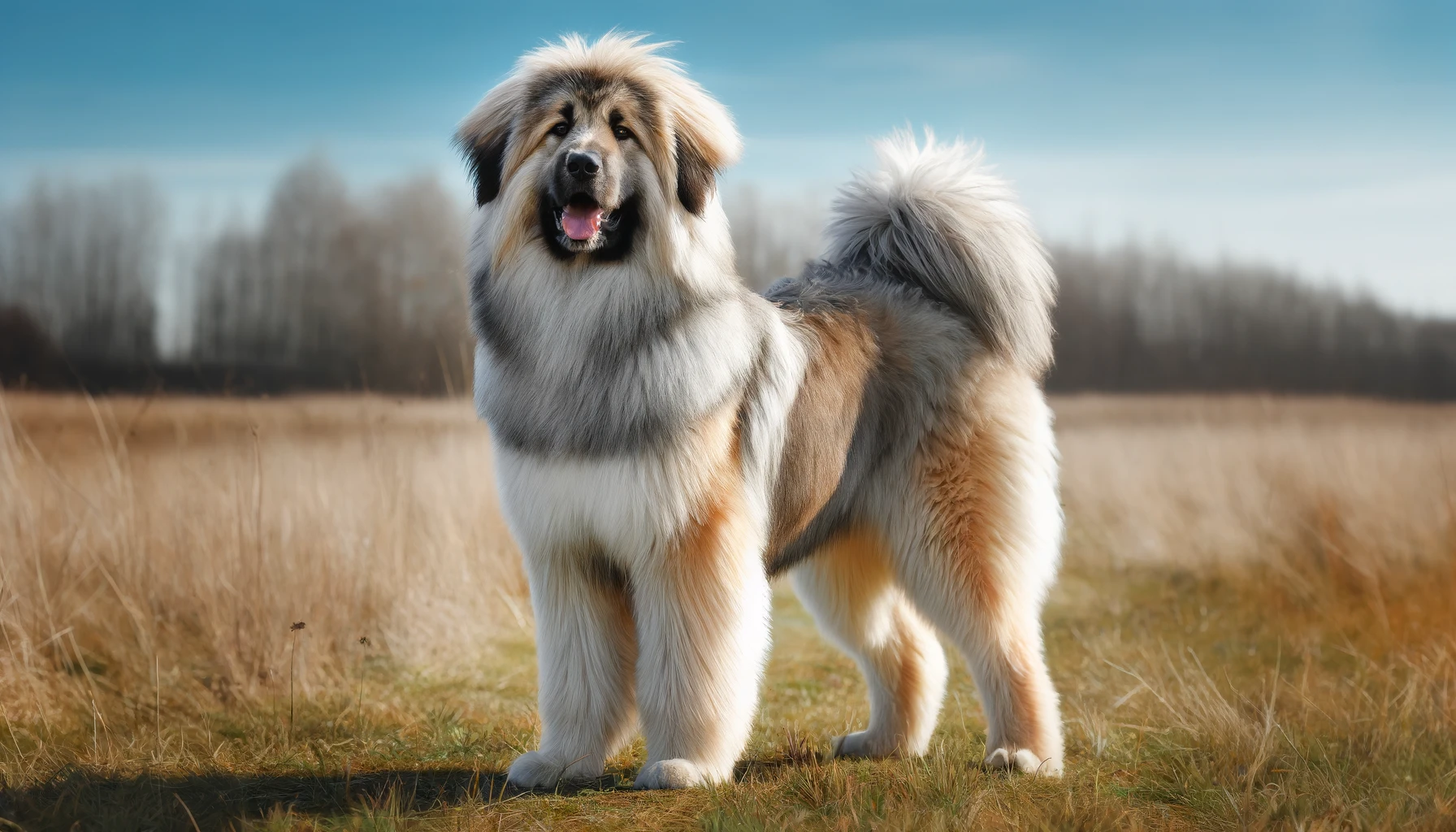
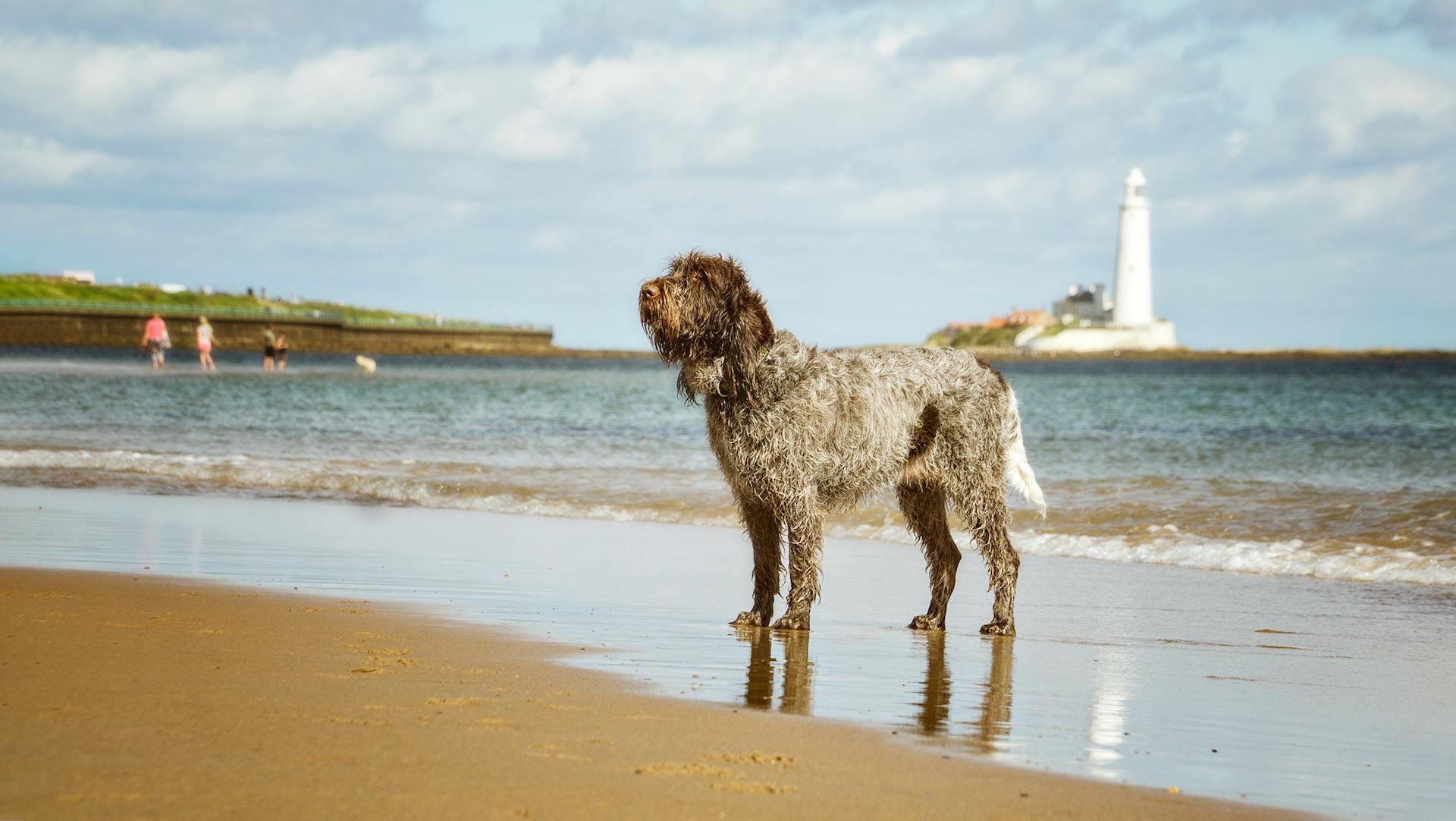
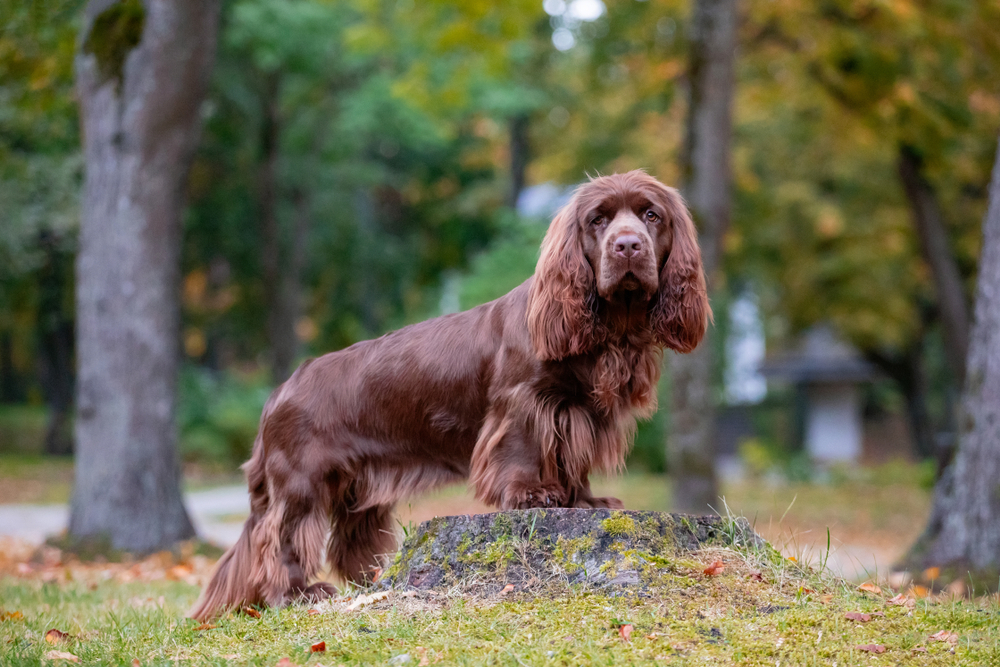
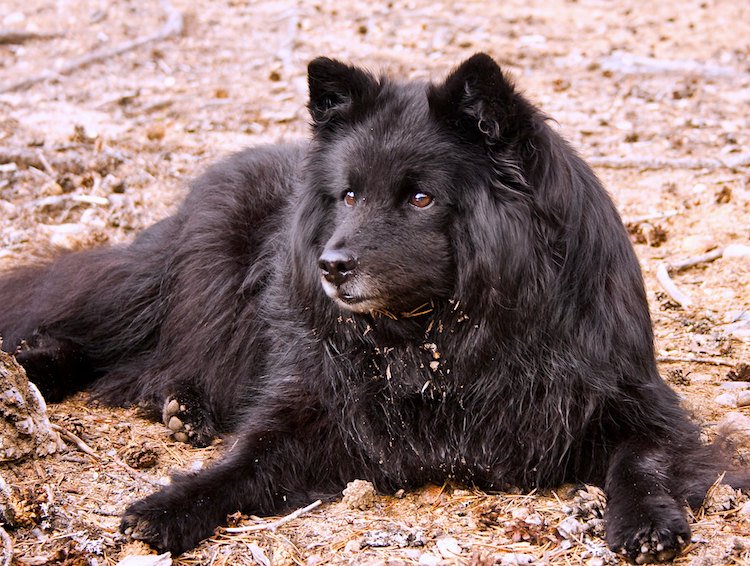
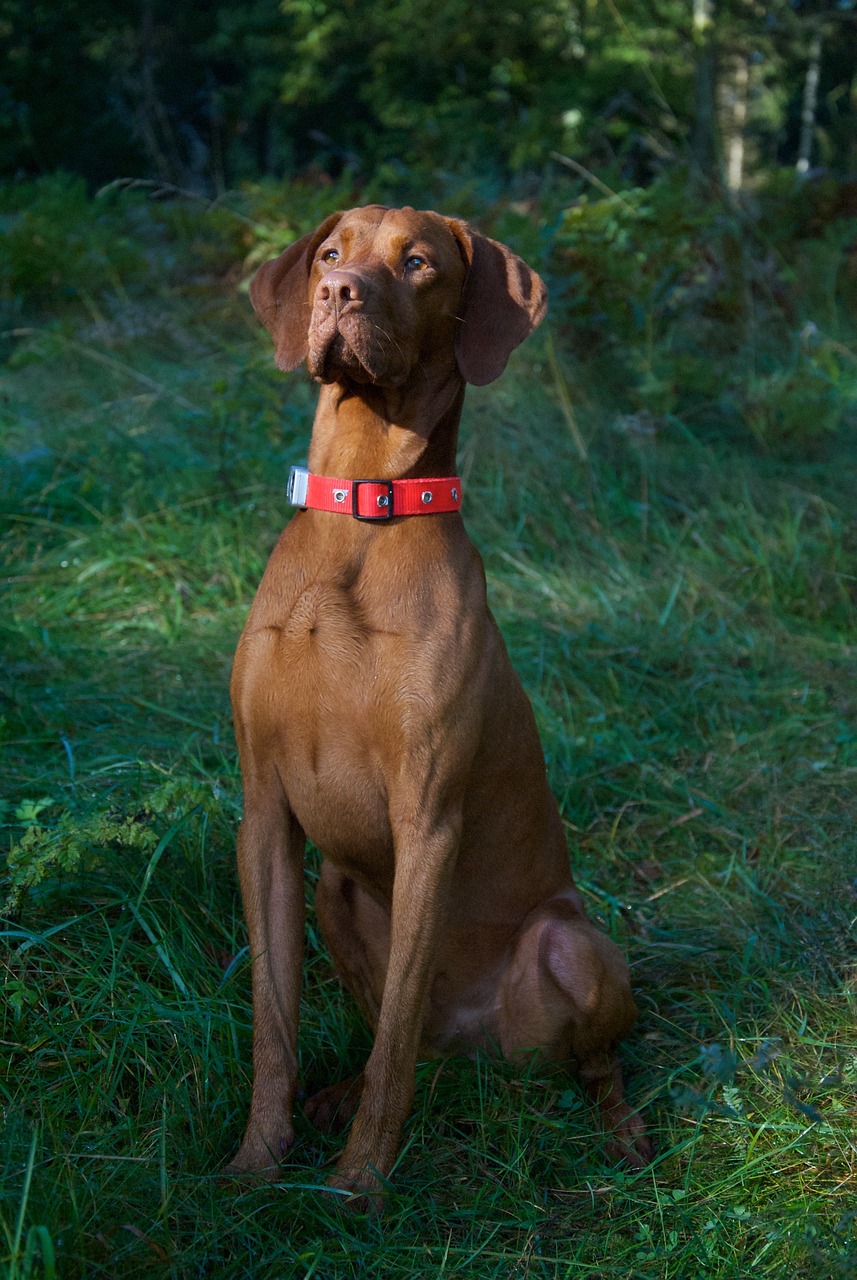
The Portuguese Pointer, known as “Perdigueiro Português” in its homeland, is an ancient breed that dates back to the 12th century. Originating from the Iberian Peninsula, these dogs were bred for hunting and are known for their excellent tracking abilities and keen sense of smell. The breed has been a cherished companion of Portuguese hunters for centuries.
Energy Level
Natural energy and enthusiasm throughout the day.
Exercise Needs
Amount of physical activity required to stay healthy.
Playfulness
Willingness to play and engage in games.
Affection Level
Tendency to show affection toward humans.
Dog Friendliness
Friendliness and tolerance toward other dogs.
Pet Friendliness
How well this pet gets along with other animals.
Stranger Friendliness
Reaction toward unfamiliar people.
Ease of Training
How easy it is to train and teach commands.
Watchfulness
Alertness and tendency to notice surroundings.
Vocality
Tendency to bark, meow, or make other sounds.
Grooming Requirements
Level of grooming effort needed on a regular basis.
Heat Sensitivity
Sensitivity to hot weather conditions.
Cold Tolerance
Ability to withstand cold temperatures.
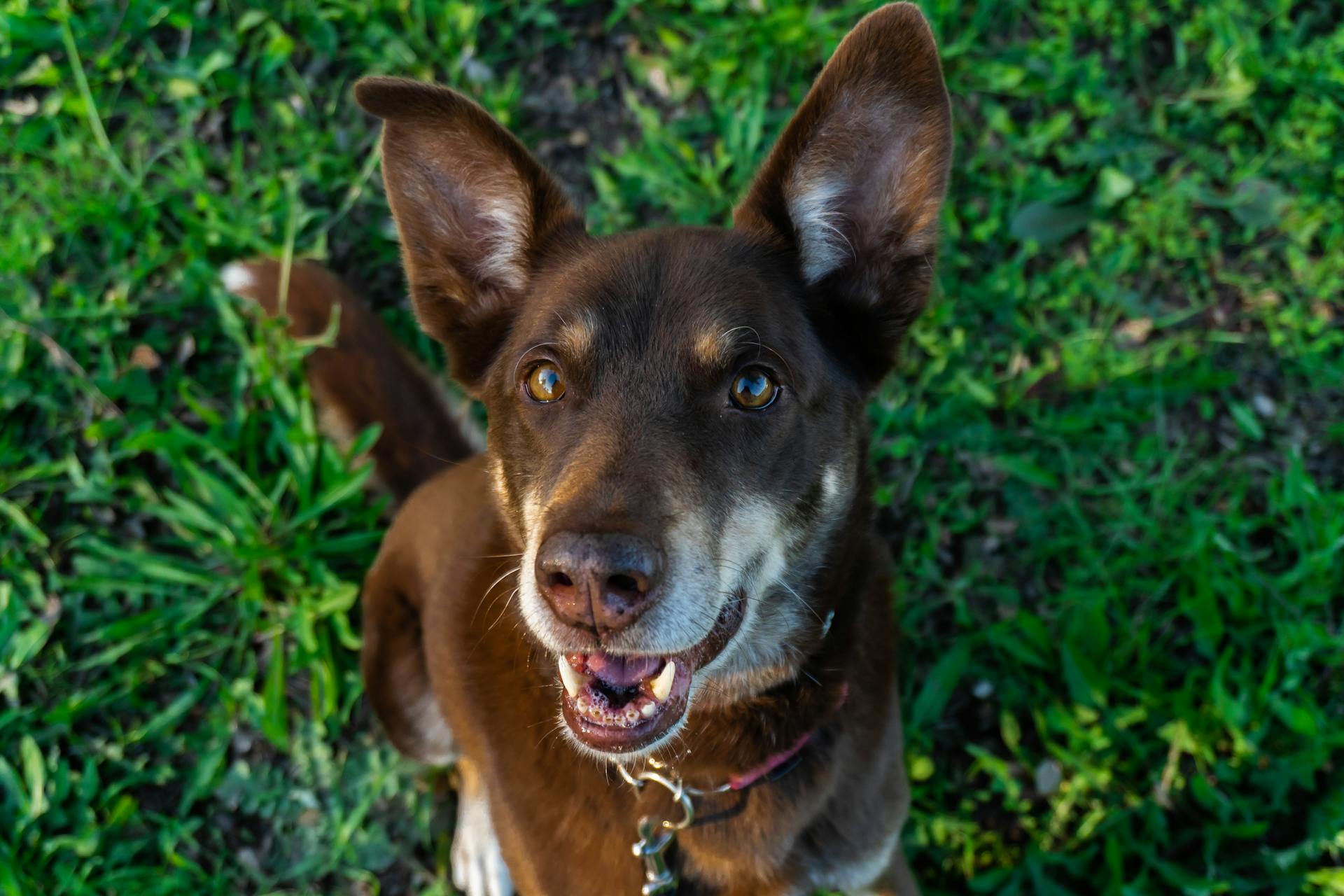
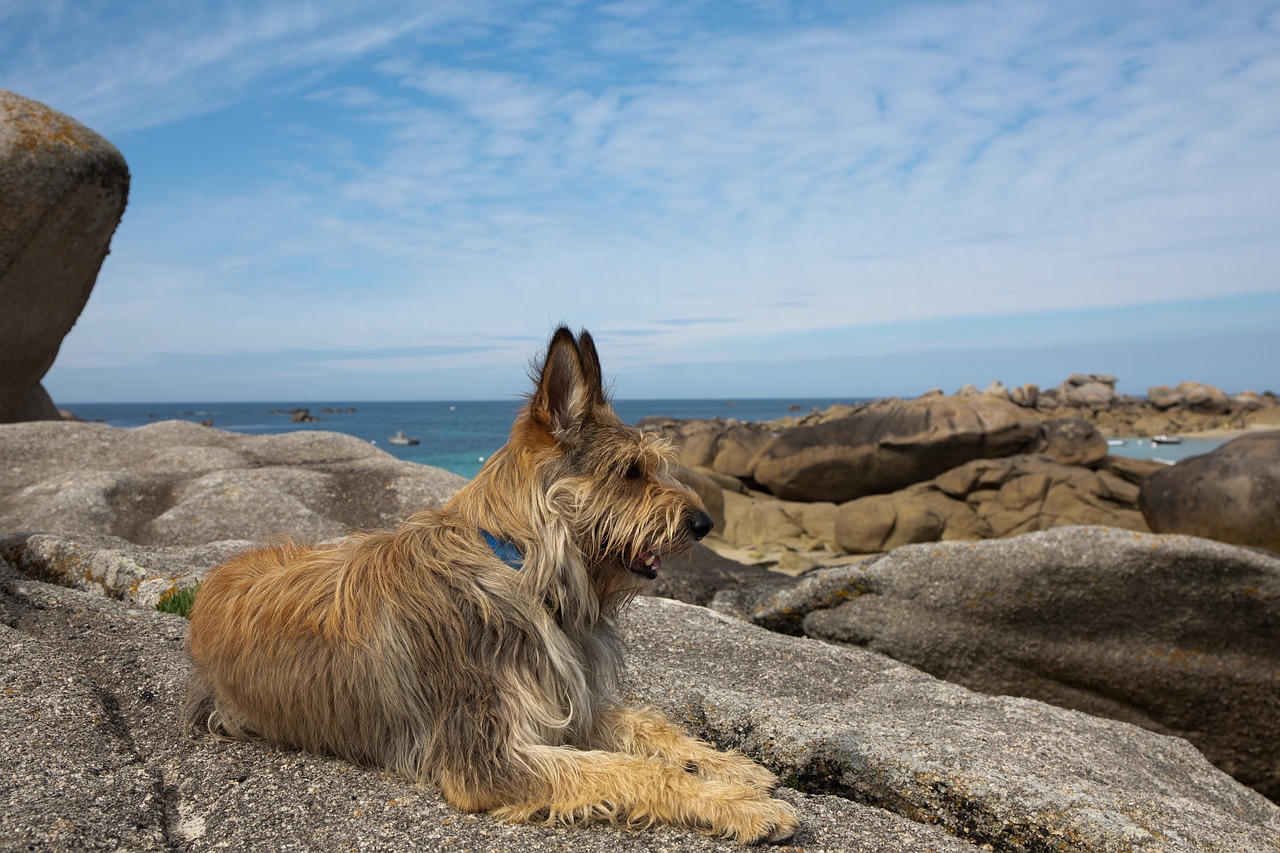
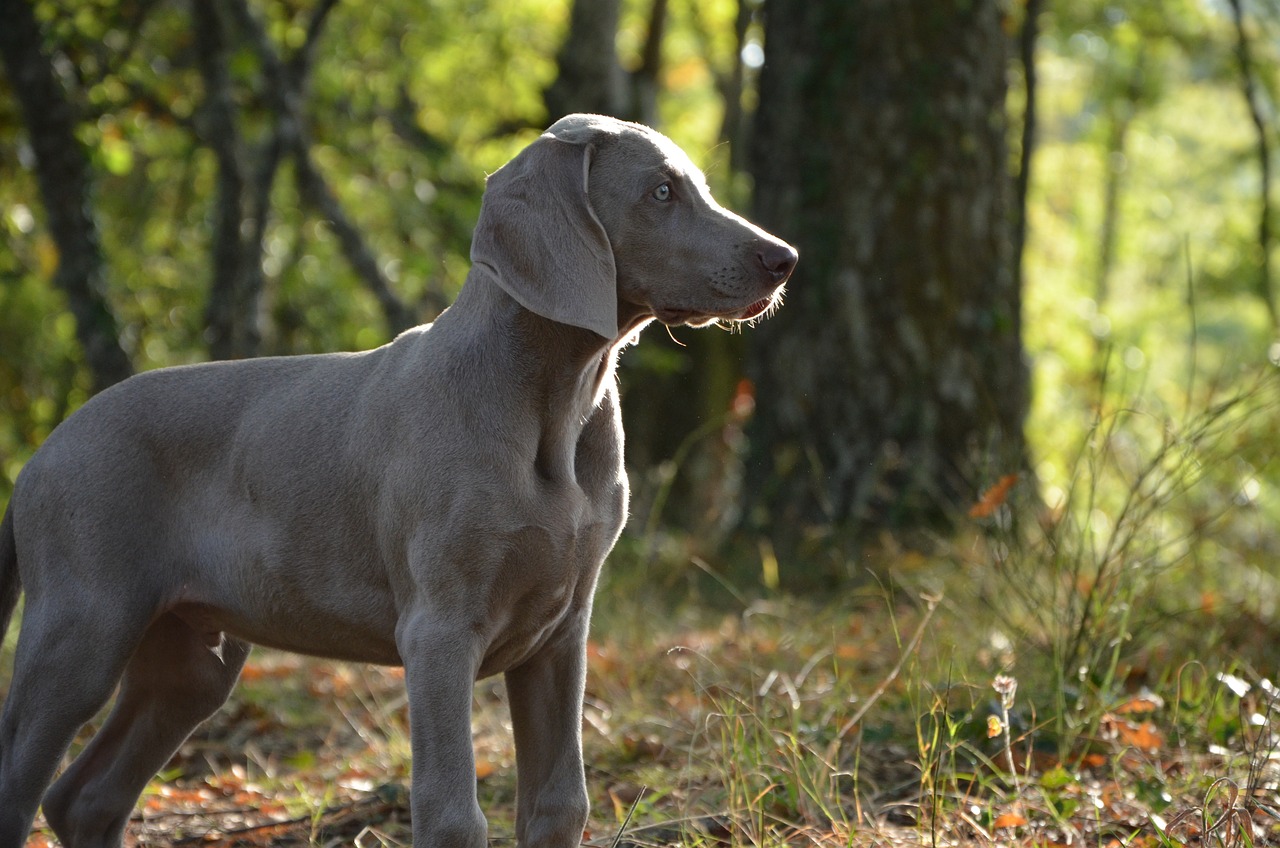
Portuguese Pointers are medium-sized dogs with a muscular build and a short, dense coat. Their coat colors range from yellow and light brown to darker shades. They have a broad head, expressive eyes, and large, pendant ears. Their tails are traditionally docked, though this practice is becoming less common.
Portuguese Pointers are highly energetic and athletic, excelling in activities that require speed and agility. They are excellent hunting dogs, particularly skilled in pointing and retrieving game. Regular exercise is essential to keep them fit and mentally stimulated. They enjoy running, hiking, and participating in various dog sports.
The Portuguese Pointer is known for its loyal and affectionate nature. They form strong bonds with their families and are very protective. This breed is intelligent and eager to please, making them relatively easy to train. Portuguese Pointers are generally good with children and can get along well with other pets if properly socialized. Their friendly and outgoing personality makes them excellent companions.
The short coat of the Portuguese Pointer is low-maintenance and requires minimal grooming. Regular brushing helps keep their coat clean and healthy. They need regular exercise to maintain their physical and mental well-being. Regular vet check-ups, a balanced diet, and good dental care are crucial to maintain their overall health.
Major concerns: Hip dysplasia, ear infections
Minor concerns: Eye issues
Occasionally seen: Skin problems
Recommended tests: Hips, eyes, ears
Lifespan: 12–14 years
The Portuguese Pointer has a rich history as a hunting dog in Portugal. Bred for their tracking abilities and keen sense of smell, these dogs have been invaluable for pointing and retrieving game. Today, Portuguese Pointers continue to be cherished for their hunting skills, intelligence, and affectionate nature, making them beloved family pets and reliable hunting companions.