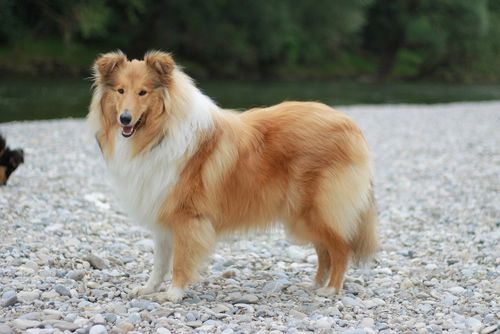
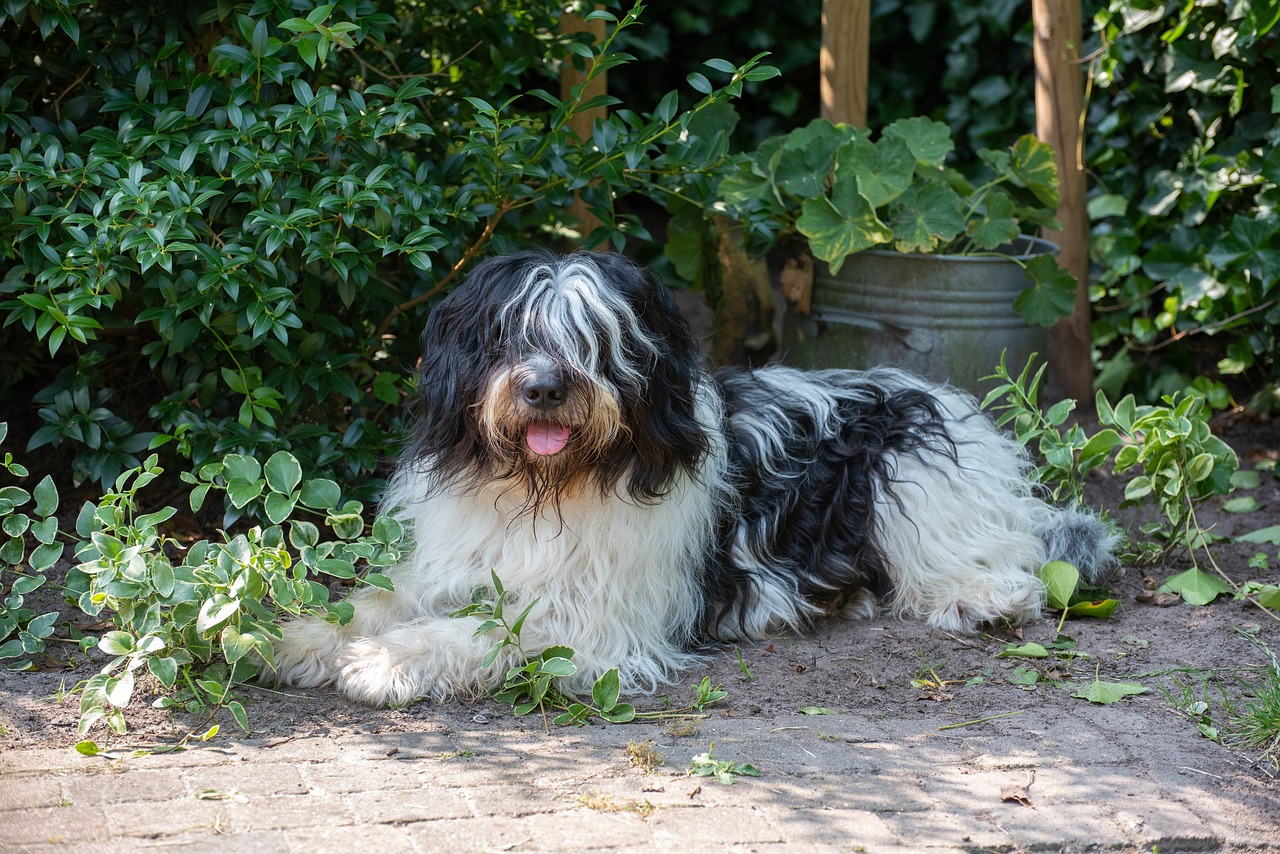
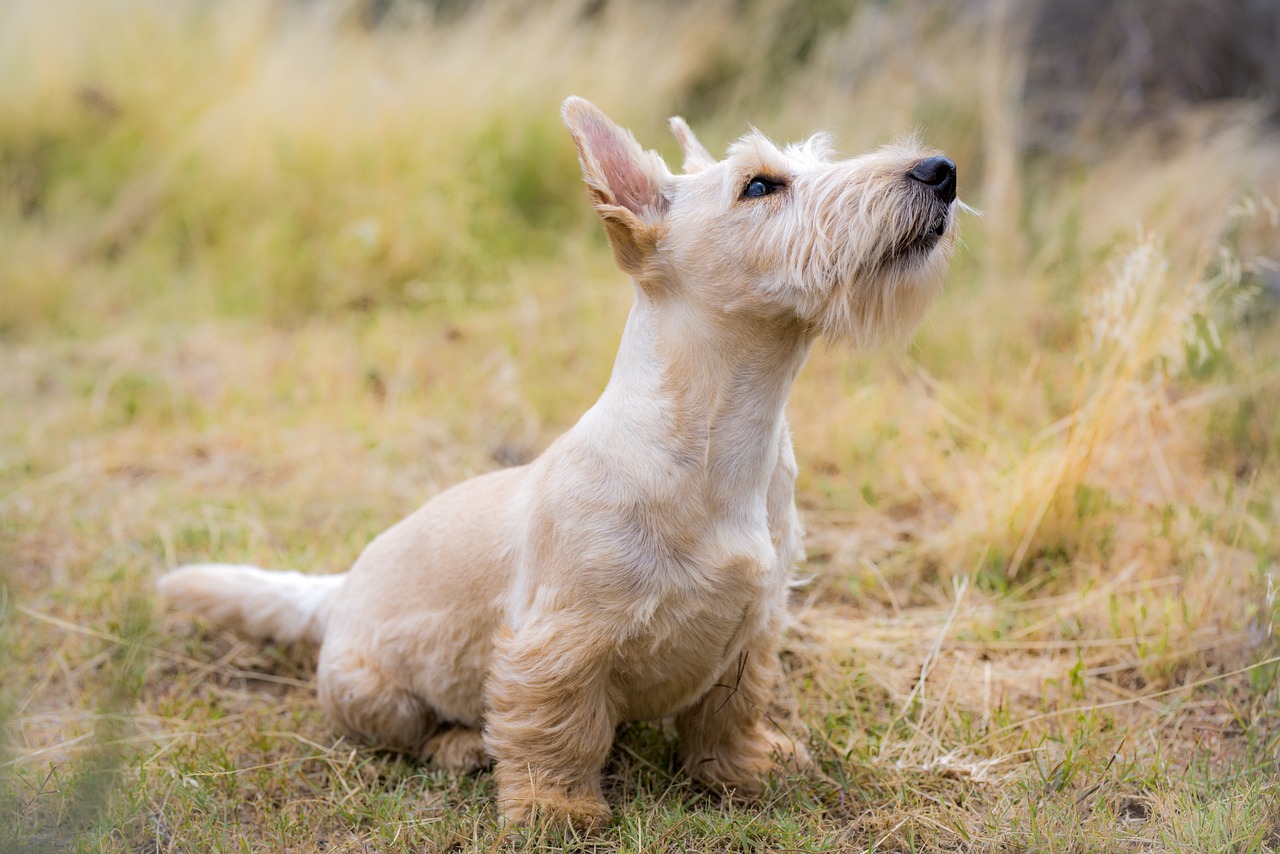
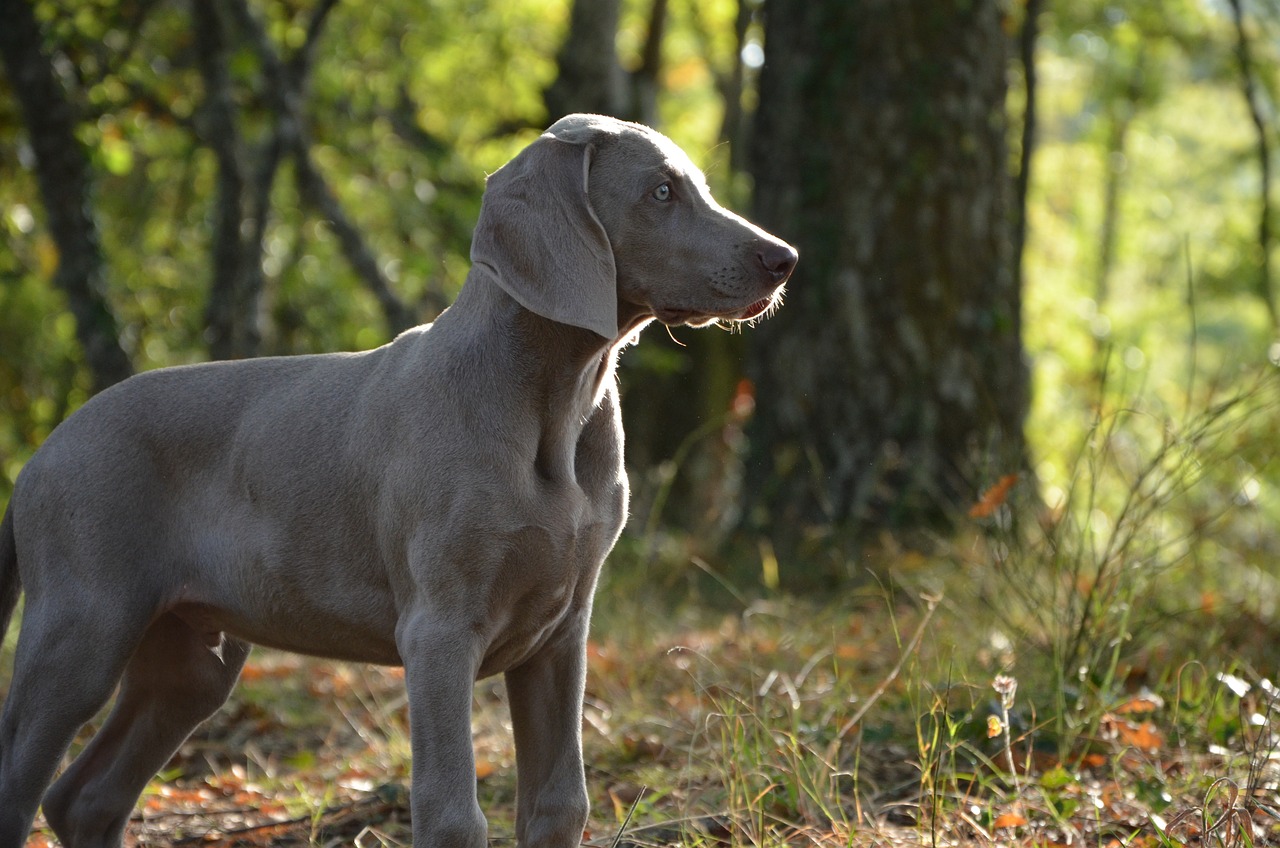
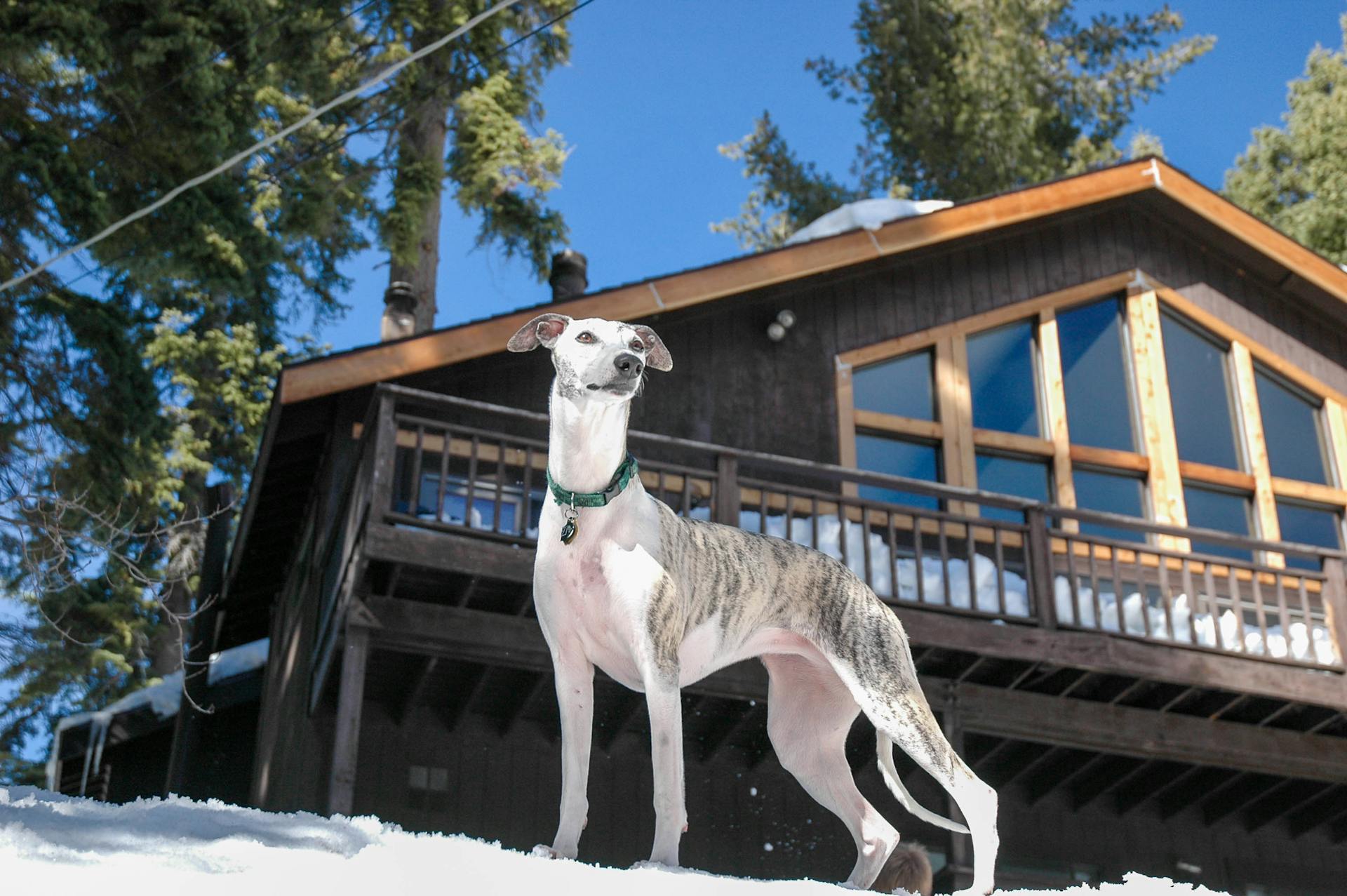
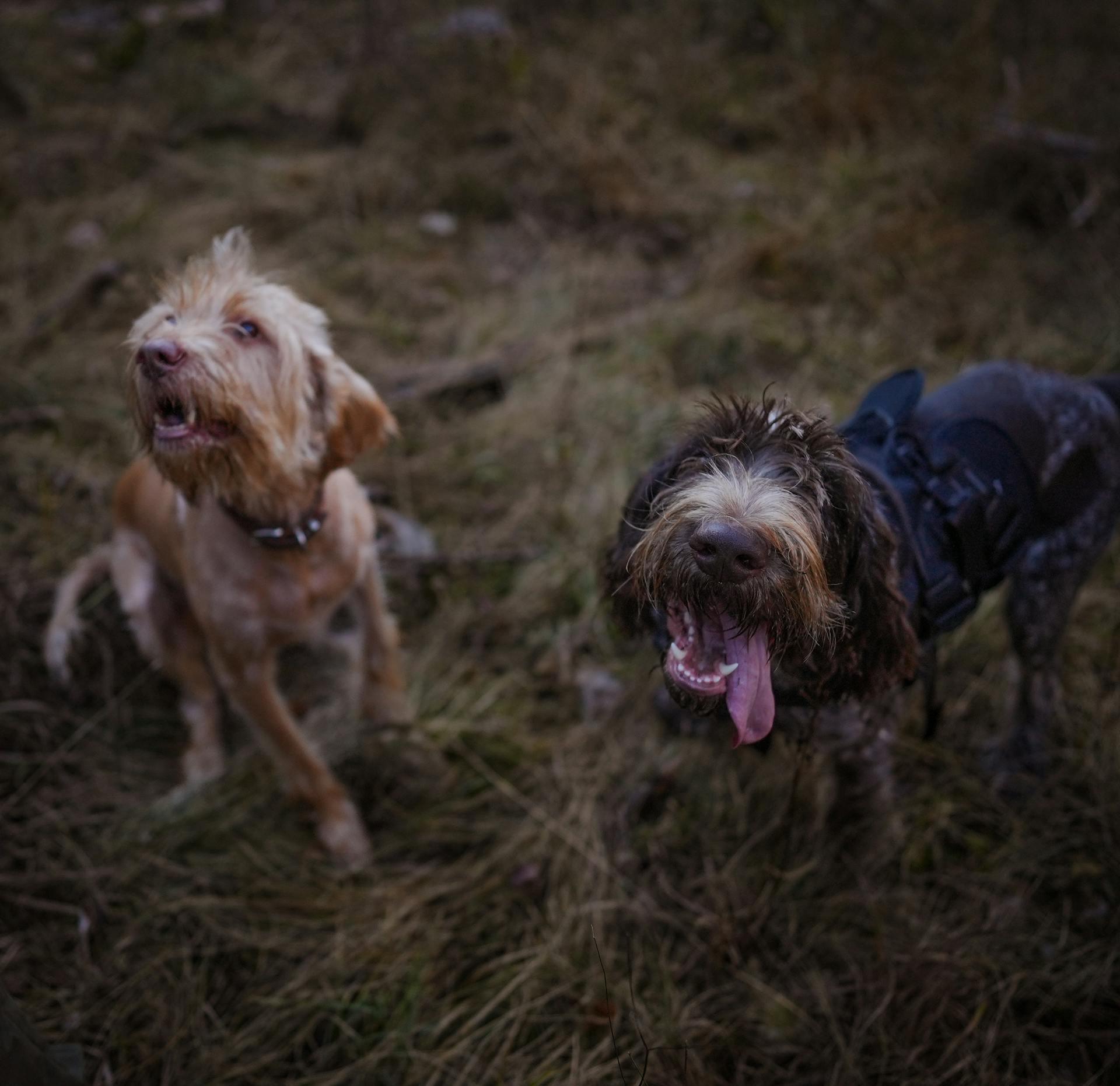
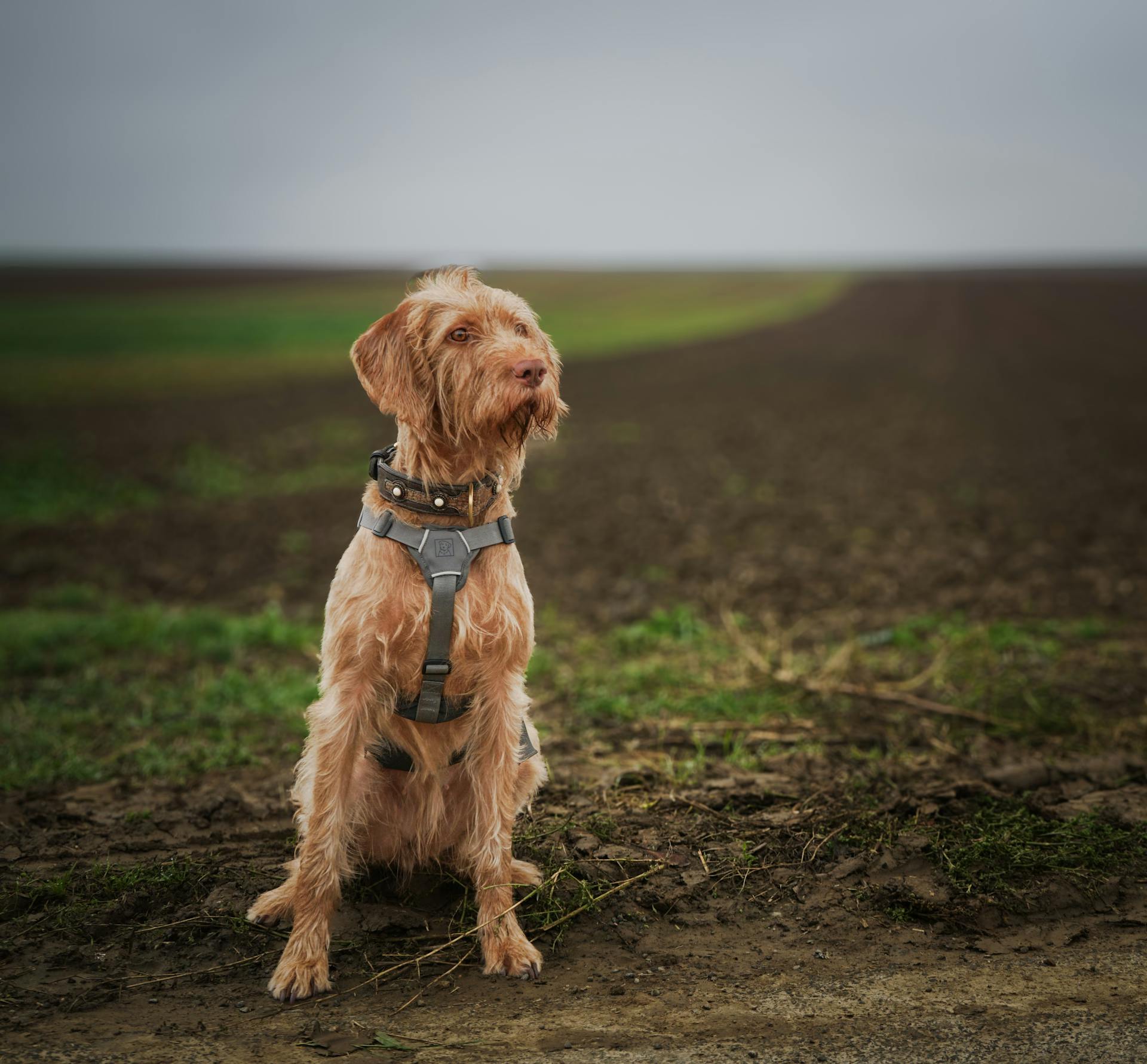
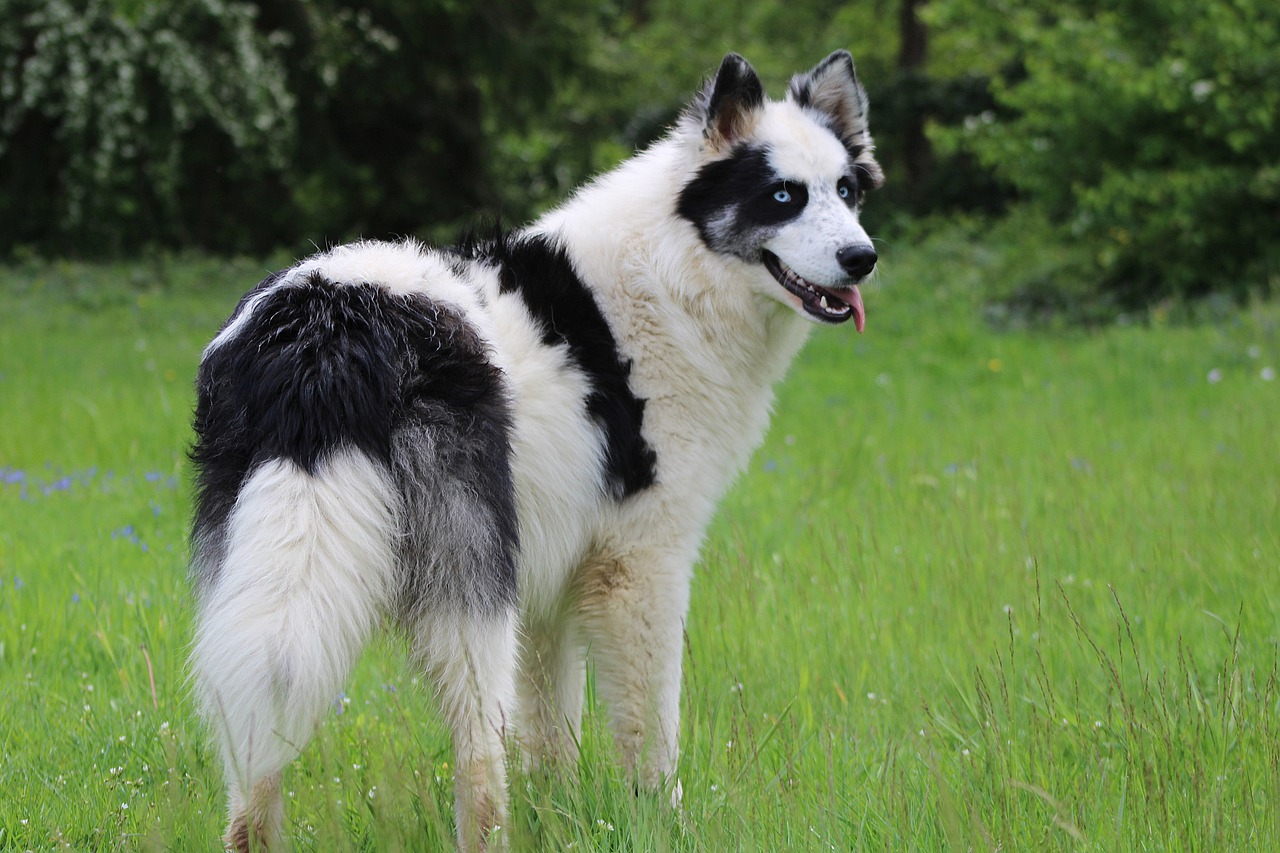
The Shetland Sheepdog, also known as the Sheltie, originates from the Shetland Islands of Scotland. This breed was developed to herd sheep and protect livestock, and it is closely related to the Collie. The harsh climate and rugged terrain of the Shetland Islands shaped the Sheltie into a resilient and versatile herding dog.
Energy Level
Natural energy and enthusiasm throughout the day.
Exercise Needs
Amount of physical activity required to stay healthy.
Playfulness
Willingness to play and engage in games.
Affection Level
Tendency to show affection toward humans.
Dog Friendliness
Friendliness and tolerance toward other dogs.
Pet Friendliness
How well this pet gets along with other animals.
Stranger Friendliness
Reaction toward unfamiliar people.
Ease of Training
How easy it is to train and teach commands.
Watchfulness
Alertness and tendency to notice surroundings.
Vocality
Tendency to bark, meow, or make other sounds.
Grooming Requirements
Level of grooming effort needed on a regular basis.
Heat Sensitivity
Sensitivity to hot weather conditions.
Cold Tolerance
Ability to withstand cold temperatures.
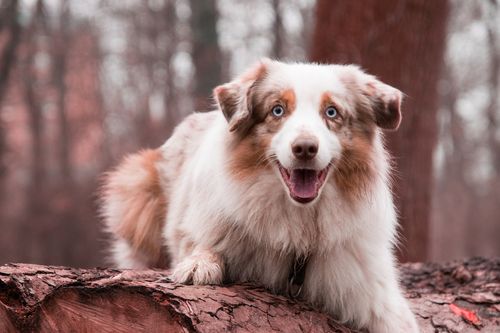
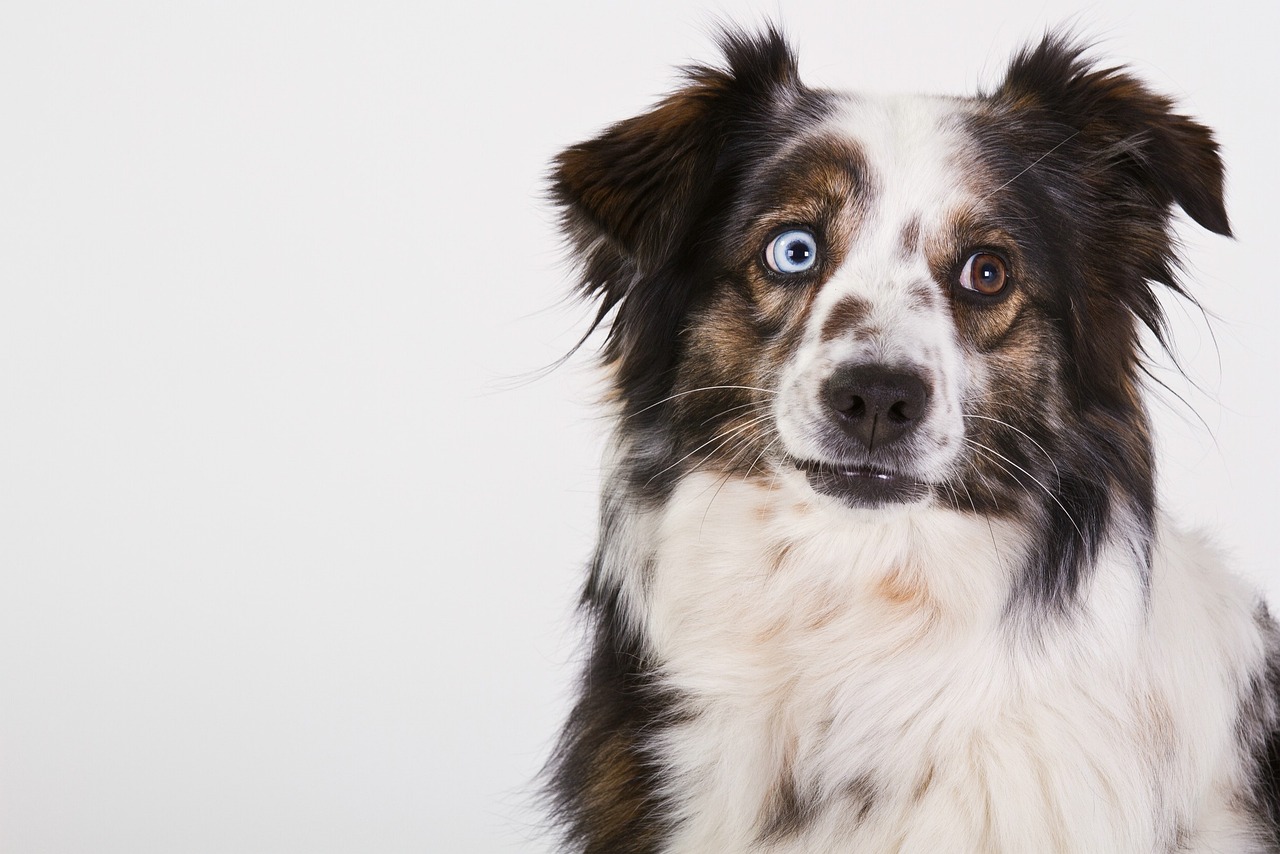
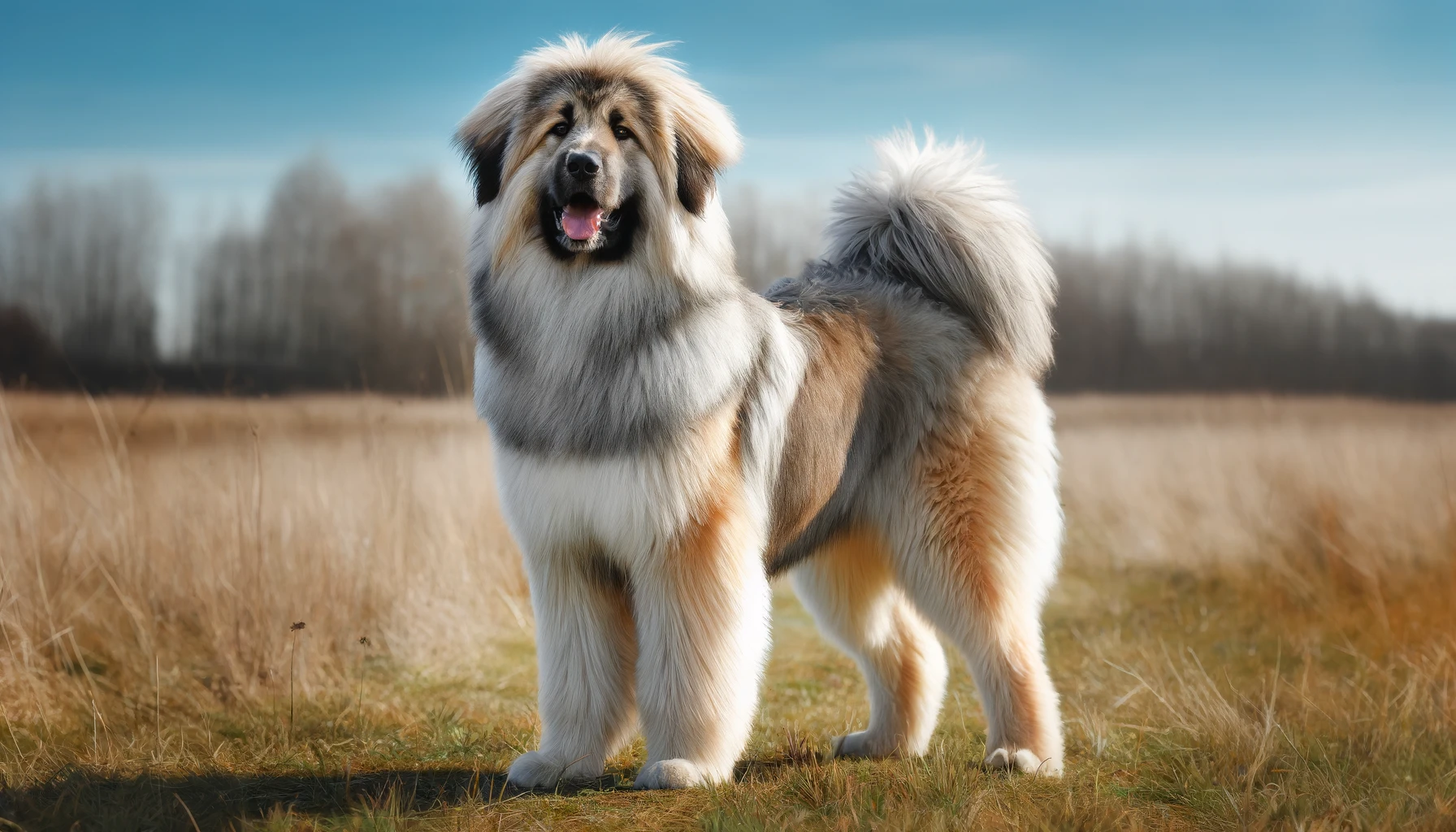
Shetland Sheepdogs are known for their beautiful double coat, which comes in a variety of colors including sable, black, and blue merle. They have a graceful, proportional body, with a long, wedge-shaped head and expressive, almond-shaped eyes. Their ears are small and typically carried semi-erect, giving them an alert and intelligent expression.
Shetland Sheepdogs are agile and quick, with a smooth, effortless gait. Their athleticism and endurance make them excellent at herding and agility competitions. They possess a natural grace and elegance in their movements, which, combined with their intelligence, makes them highly trainable and adept at various dog sports.
Shetland Sheepdogs are known for their affectionate and loyal nature. They are highly intelligent and eager to please, making them easy to train. Shelties are also known for their strong herding instinct and may try to herd people and other pets. They are typically reserved with strangers but form strong bonds with their families. Their friendly and gentle disposition makes them excellent companions for children and other pets.
Shetland Sheepdogs require regular grooming to maintain their thick double coat. Brushing several times a week will help prevent matting and reduce shedding. They are an active breed and need regular exercise to stay healthy and happy. Activities such as walks, playtime, and dog sports are ideal for meeting their physical and mental stimulation needs. Regular vet check-ups are essential to monitor for common health issues.
Major concerns: hip dysplasia, hypothyroidism, Collie eye anomaly (CEA)
Minor concerns: progressive retinal atrophy (PRA), allergies
Occasionally seen: epilepsy, von Willebrand’s disease
Suggested tests: hip, thyroid, eye
Life span: 12–14 years
The Shetland Sheepdog’s roots as a herding dog have greatly influenced its development and popularity. Originally used for herding and protecting livestock in the rugged Shetland Islands, the breed’s intelligence and versatility have made it a favorite in dog sports and as a family companion. The Sheltie’s legacy as a hardworking, loyal, and affectionate breed continues to make it a beloved choice for dog lovers around the world.