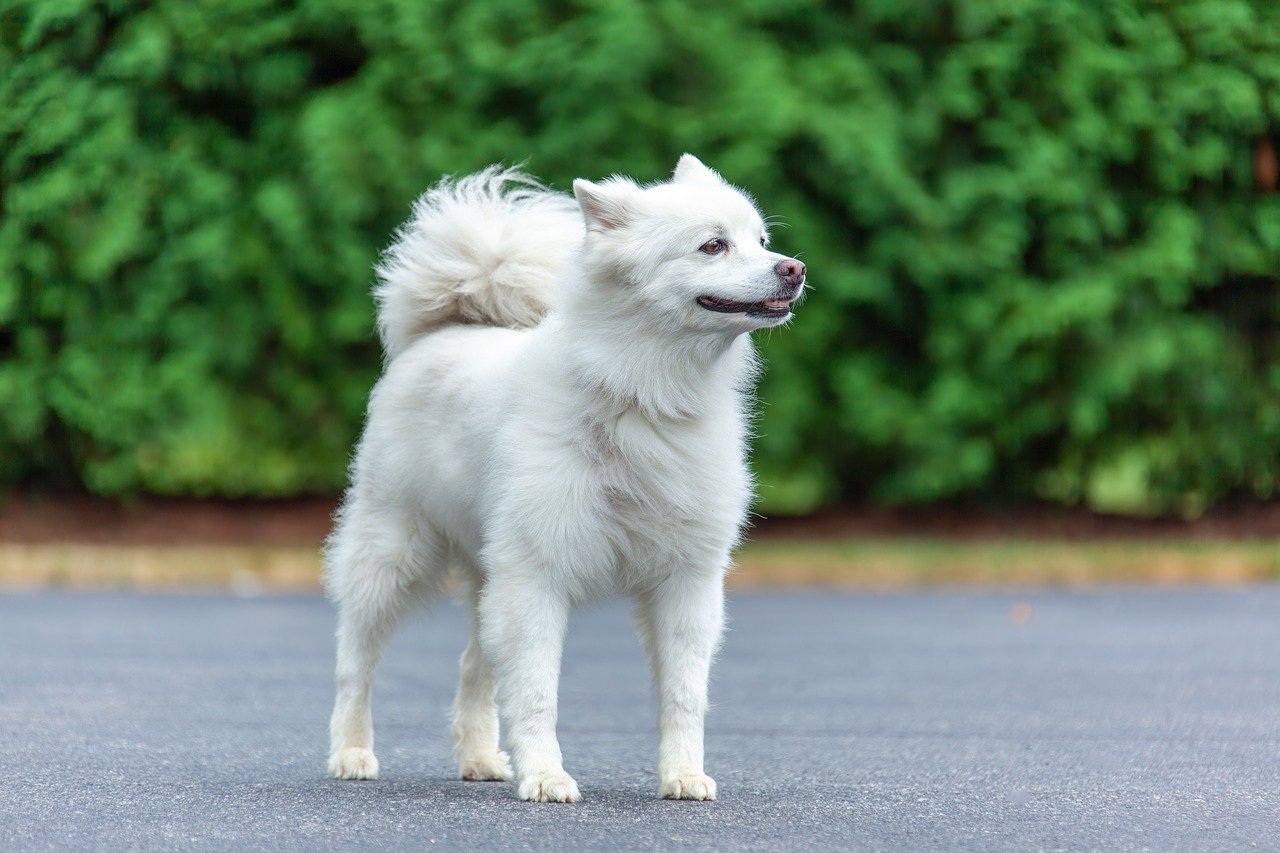
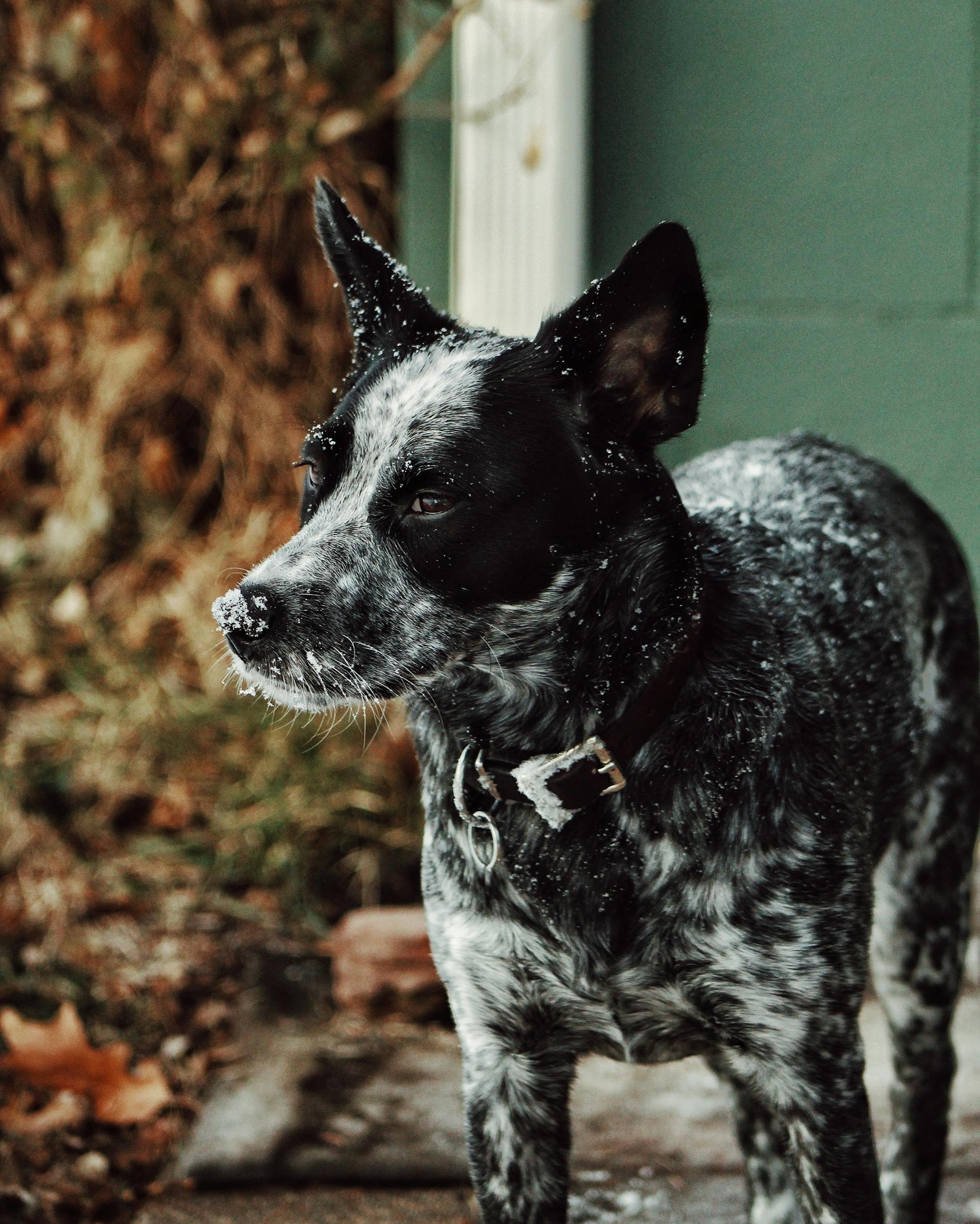
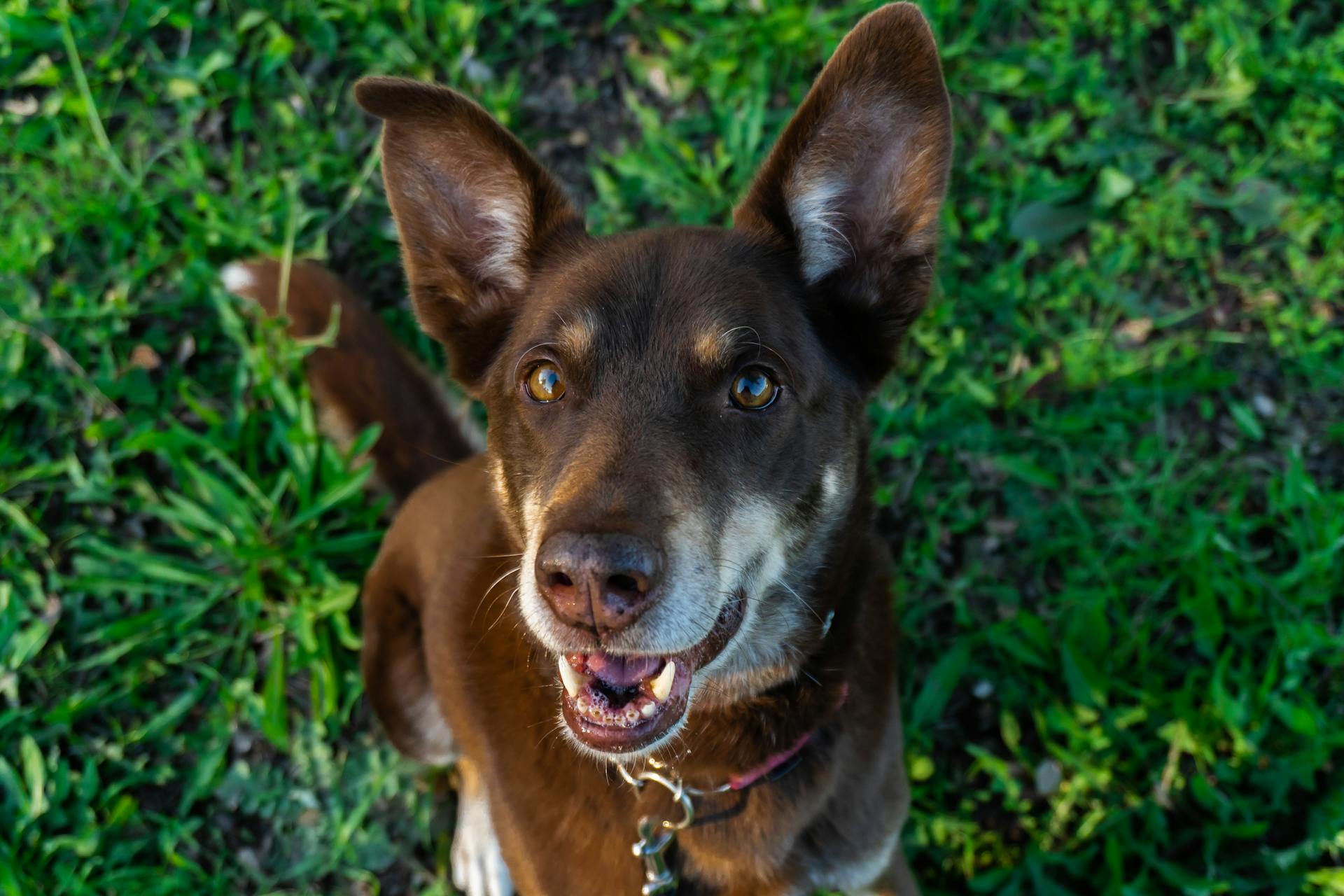
The German Pinscher is a breed with a long history, dating back to the 15th century in Germany. Originally developed as a versatile working dog, the German Pinscher was used for guarding property, herding livestock, and hunting vermin. This breed played a significant role in the development of other breeds, including the Miniature Pinscher and the Doberman Pinscher. Known for its keen sense of alertness and intelligence, the German Pinscher remains a favorite among dog enthusiasts for its versatility and spirited nature.
Energy Level
Natural energy and enthusiasm throughout the day.
Exercise Needs
Amount of physical activity required to stay healthy.
Playfulness
Willingness to play and engage in games.
Affection Level
Tendency to show affection toward humans.
Dog Friendliness
Friendliness and tolerance toward other dogs.
Pet Friendliness
How well this pet gets along with other animals.
Stranger Friendliness
Reaction toward unfamiliar people.
Ease of Training
How easy it is to train and teach commands.
Watchfulness
Alertness and tendency to notice surroundings.
Vocality
Tendency to bark, meow, or make other sounds.
Grooming Requirements
Level of grooming effort needed on a regular basis.
Heat Sensitivity
Sensitivity to hot weather conditions.
Cold Tolerance
Ability to withstand cold temperatures.
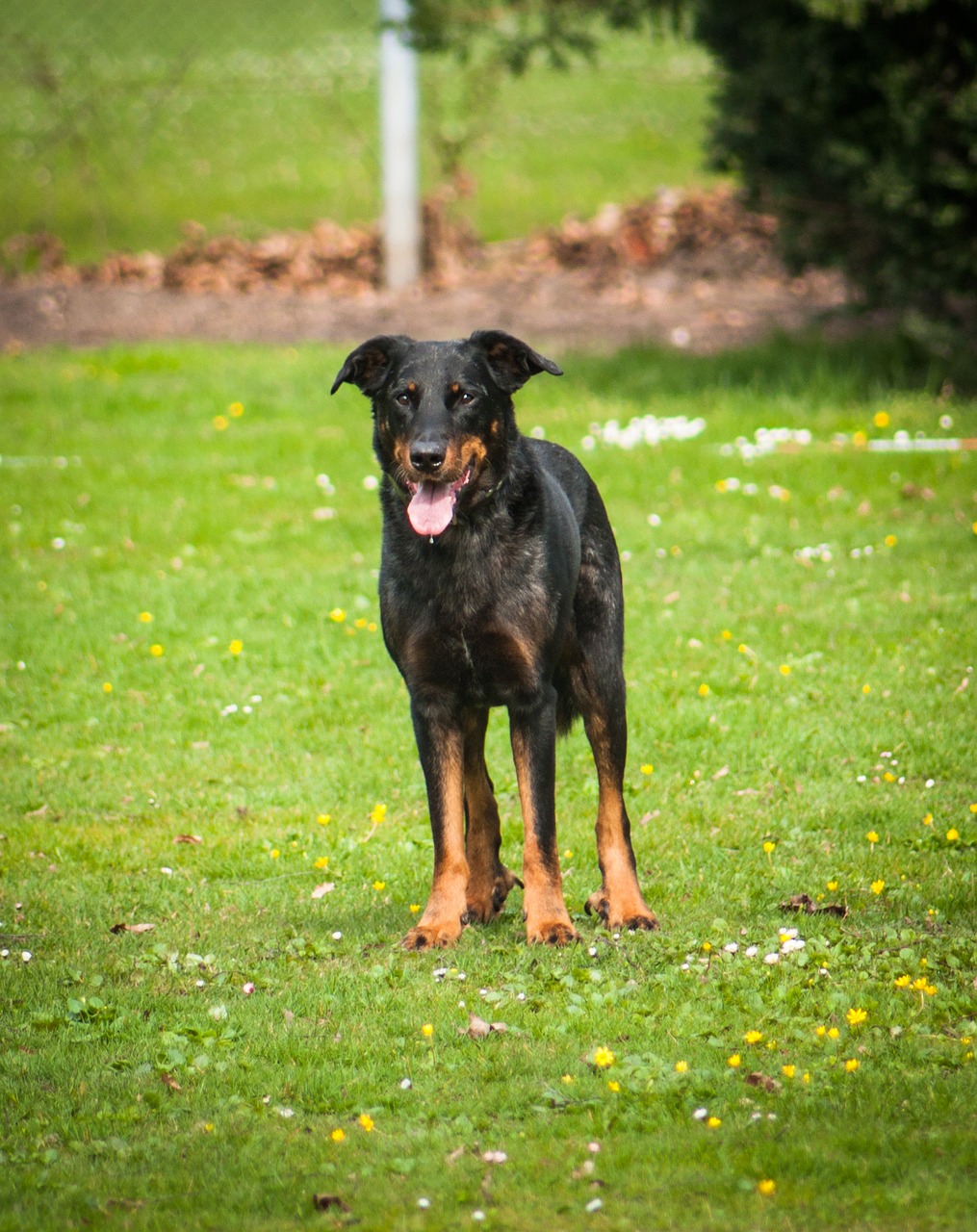
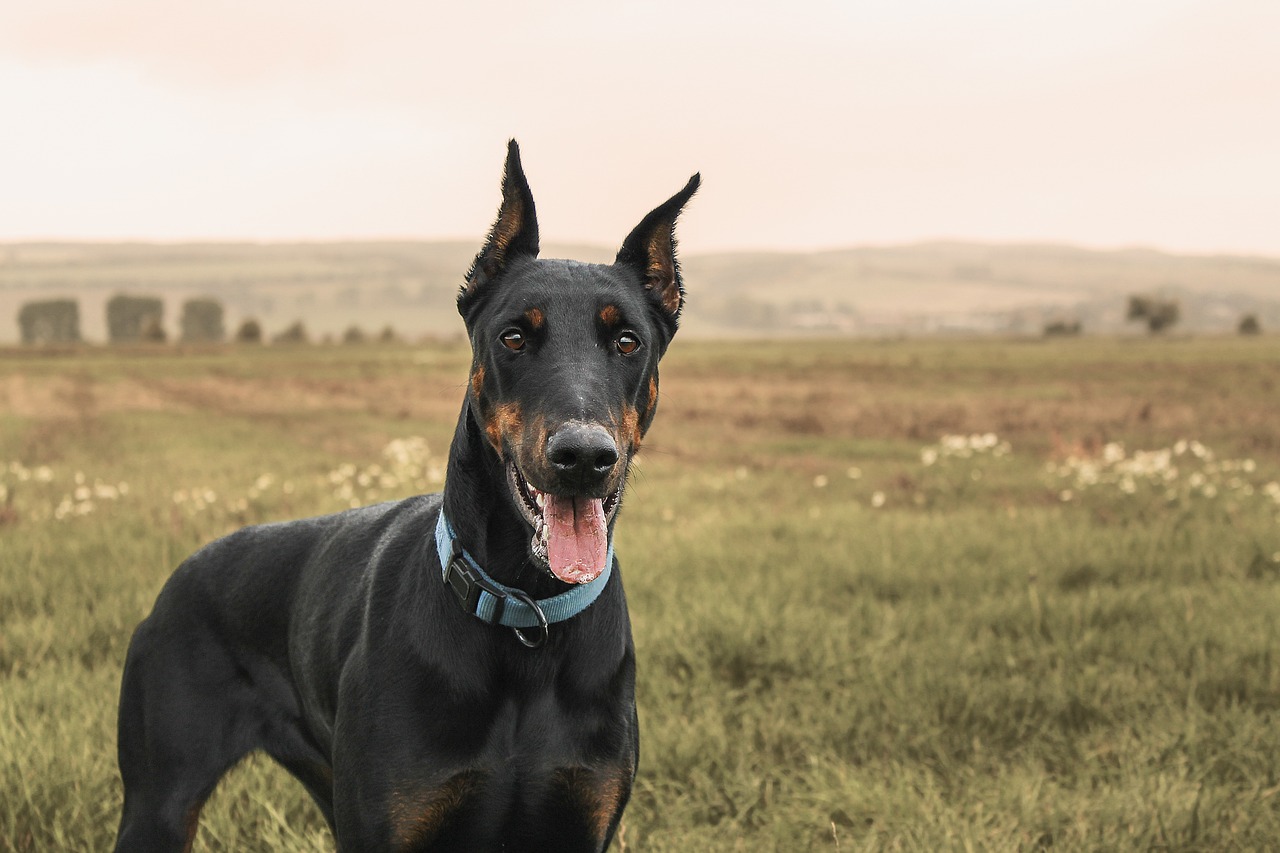
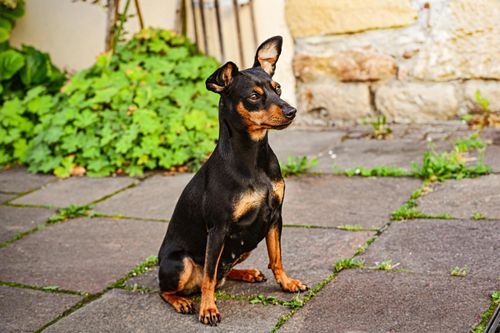
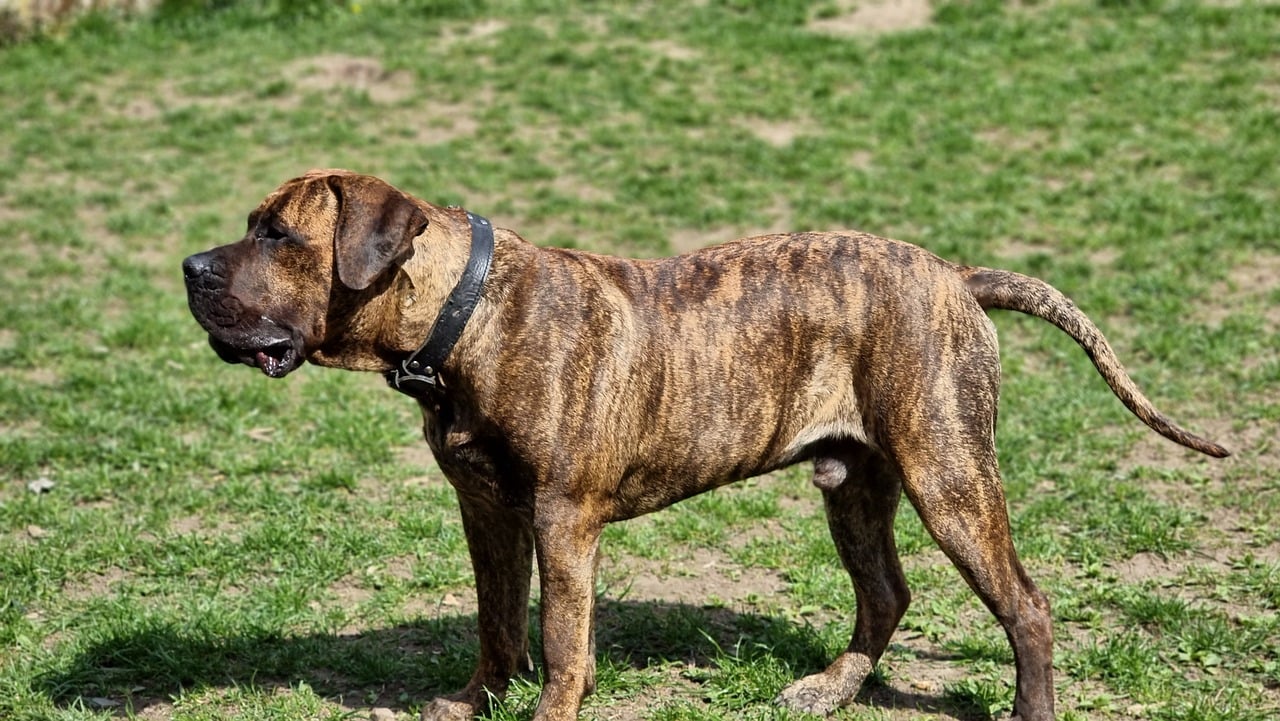
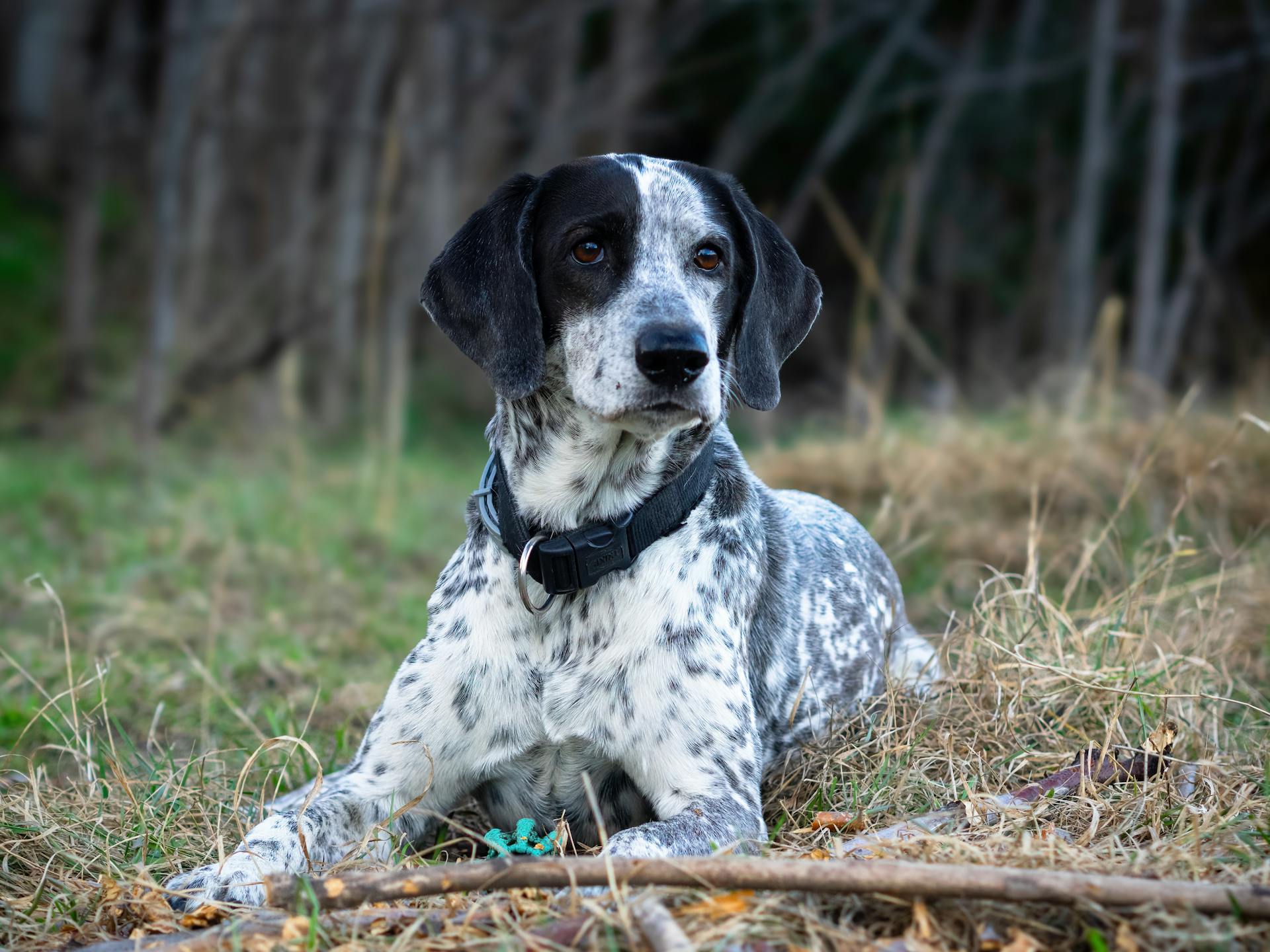
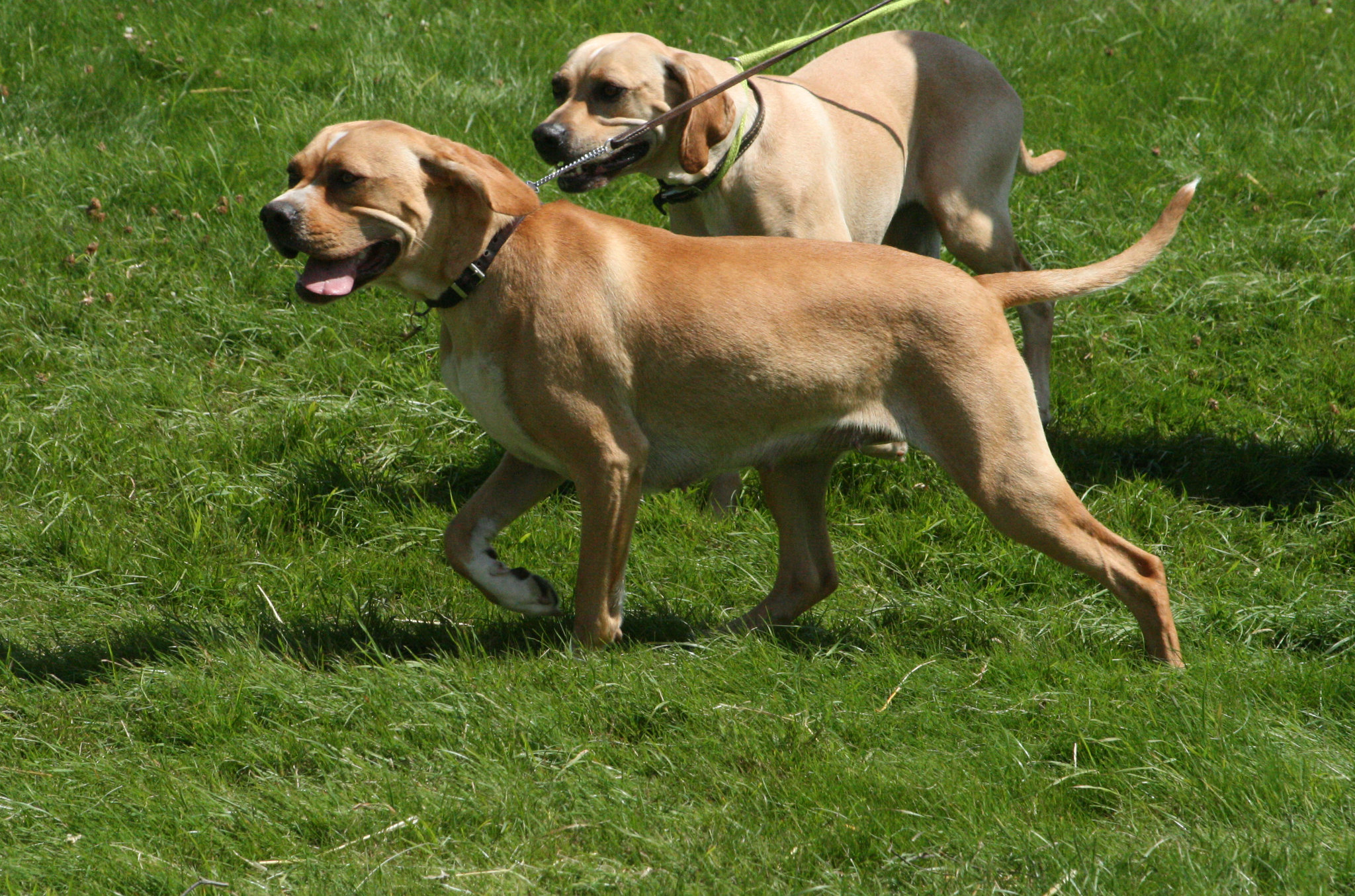
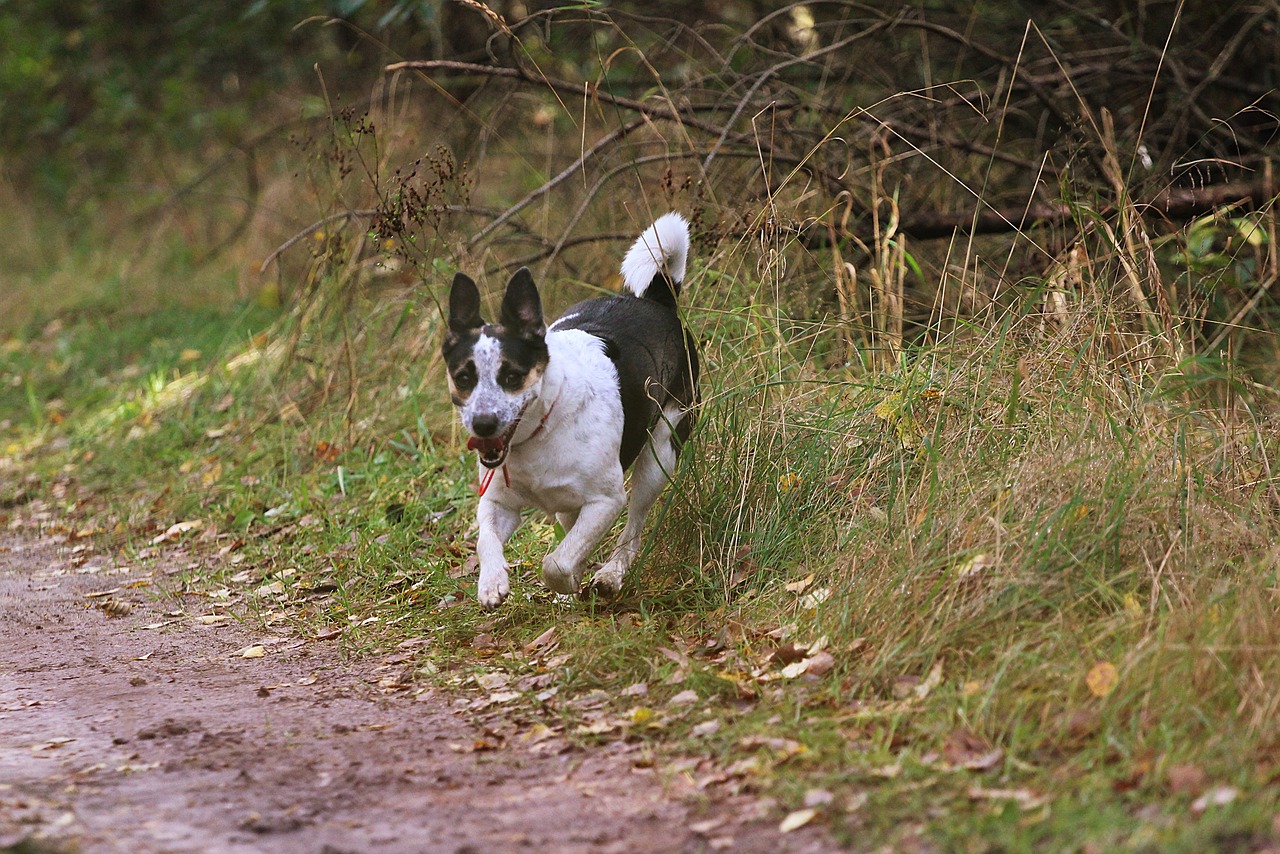
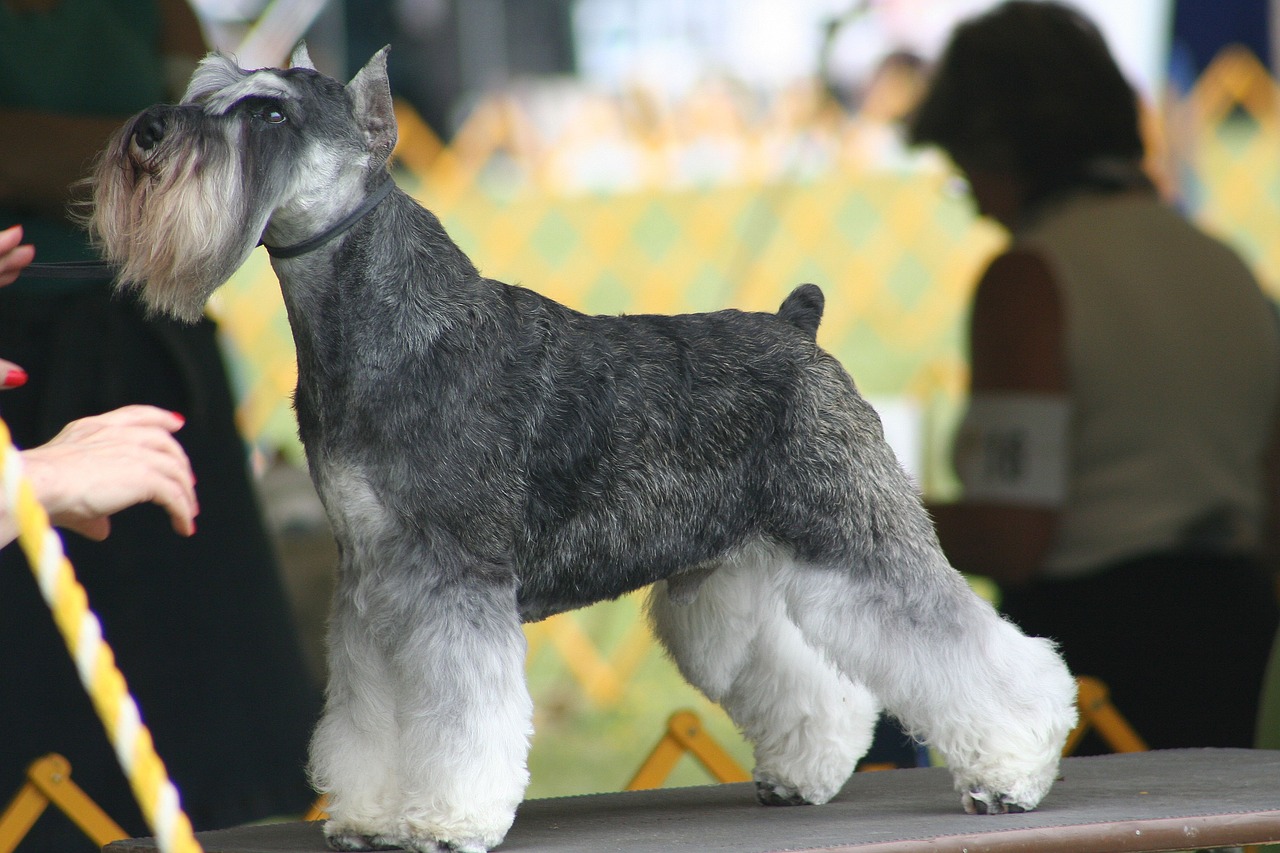
German Pinschers are medium-sized dogs with a sleek, muscular build. They have a short, dense coat that comes in various colors, including black, blue, brown, and red, often with rust markings. Their ears are typically cropped, and their tail is usually docked. German Pinschers have a strong, rectangular head with a well-defined stop, dark eyes, and a keen, alert expression. Their overall appearance is one of elegance and strength.
German Pinschers are known for their agility and energy. They possess a smooth, powerful gait and excel in various physical activities such as obedience, agility, and tracking. Regular exercise is essential to keep them fit and mentally stimulated. Activities like running, hiking, and interactive play sessions help keep them healthy and happy.
German Pinschers are intelligent, alert, and energetic. They form strong bonds with their families and are known for their loyalty and protective nature. Their alertness makes them excellent watchdogs. They are also highly trainable and thrive on mental challenges. Early socialization and consistent training are crucial to ensure they grow into well-behaved, confident adults. German Pinschers can be reserved with strangers but are affectionate and playful with their loved ones.
The German Pinscher’s short coat requires minimal grooming, though regular brushing helps keep it healthy and shiny. Routine dental care, nail trimming, and ear cleaning are also important aspects of their grooming routine. Due to their high energy levels, German Pinschers need ample exercise and mental stimulation. Providing a balanced diet and regular veterinary check-ups are essential to monitor their health and address any potential issues.
Major concerns: hip dysplasia, cardiac issues
Minor concerns: hypothyroidism, von Willebrand’s disease
Occasionally seen: eye problems, skin allergies
Suggested tests: hip, cardiac, thyroid, eye
Life span: 12–14 years
The German Pinscher’s history as a versatile working dog has established it as a breed of exceptional intelligence and alertness. From guarding and herding to companionship, the German Pinscher’s versatility has made it a beloved breed among dog enthusiasts. Today, the breed continues to excel in various roles, including dog sports and as a loyal family companion. The German Pinscher’s spirited nature and strong bond with its human family make it a treasured member of the canine community.